April Checklist: Spring Wellness Tips For Taylorville Pets

April Checklist: Spring Wellness Tips For Taylorville Pets
Spring has officially arrived in Taylorville, IL, and with it comes a sense of renewal for both us and our pets. As the days grow longer and the weather warms up, it is the perfect time to check in on your pet’s health and make sure they are ready to enjoy the season safely. At Countryside Veterinary Services, located at 201 South Water Street, Taylorville, IL 62568, our veterinary team is committed to helping pets in Taylorville and surrounding communities thrive throughout the year. This April pet wellness checklist will guide you through important seasonal care, including preventive health measures, parasite protection, allergy management, and tips for keeping your furry, scaly, or feathered companions feeling their best.
Whether you are planning outdoor adventures with your dog or making sure your cat is comfortable indoors, spring is an ideal time to schedule your pet’s wellness examination and discuss any concerns you may have. In this blog, you will discover the key signs to watch for as seasons change, learn why certain health issues are more common in spring, explore professional care options available at Countryside Veterinary Services, and find actionable tips you can implement now. We will also cover when it is time to call your veterinarian and remind you how our veterinary professionals can support you every step of the way.
Recognizing Springtime Health Concerns in Your Pet
As spring unfolds in central Illinois, pets often experience changes in behavior, activity, and even health. Recognizing when your pet may be affected by seasonal shifts is the first step to ensuring their wellbeing. Common signs that your pet might need extra attention during spring include increased itching or scratching, watery eyes, sneezing, and licking of paws. Dogs and cats may also start to shed more as their winter coats make way for lighter summer fur. Additionally, pets who spend time outdoors might be at higher risk for picking up ticks, fleas, or encountering environmental allergens like pollen or mold spores.
Some pets, especially those with underlying health conditions or a history of allergies, can develop more pronounced symptoms as the environment changes. You might notice your dog coughing after walks, or your indoor cat becoming more lethargic as the days get warmer. Changes in appetite, digestive upset, and unusual licking or chewing of the skin can all be subtle indicators that your pet is responding to seasonal triggers. For those with rabbits, ferrets, or other exotic pets, rapid temperature shifts and humidity can also impact comfort and health.
If you observe any of these changes, or if your pet seems less playful or energetic than usual, it may be time to check in with your veterinarian. Early detection is key to preventing more serious health issues as spring progresses.
Understanding Why Spring Brings New Health Challenges
The arrival of spring in Taylorville brings an increase in environmental allergens, parasites, and outdoor hazards. Warmer temperatures and higher humidity create an ideal environment for fleas, ticks, and mosquitoes, all of which can pose serious health risks to pets. Mosquitoes in particular are a concern because they can transmit heartworm disease, a potentially life-threatening condition for both dogs and cats.
Pollen counts also rise throughout Christian County and the surrounding areas, leading to allergy symptoms in pets much like they do in people. Dogs and cats can develop itchy skin, runny eyes, and respiratory issues in response to grass, tree, or weed pollen. Outdoor pets may come into contact with fertilizers, pesticides, or plants that are irritating or toxic.
Additionally, the temptation to spend more time outside often leads to increased activity, which can sometimes result in injuries such as sprains, cuts, or encounters with wildlife. For pets with chronic conditions like arthritis, the change in weather can affect mobility and comfort. Even indoor pets are not immune; open windows, increased dust, and tracked-in allergens can all contribute to discomfort.
Understanding these seasonal factors is important for taking proactive steps to minimize risks and keep your pet feeling their best as the weather warms up.
Professional Veterinary Care: Spring Services at Countryside Veterinary Services
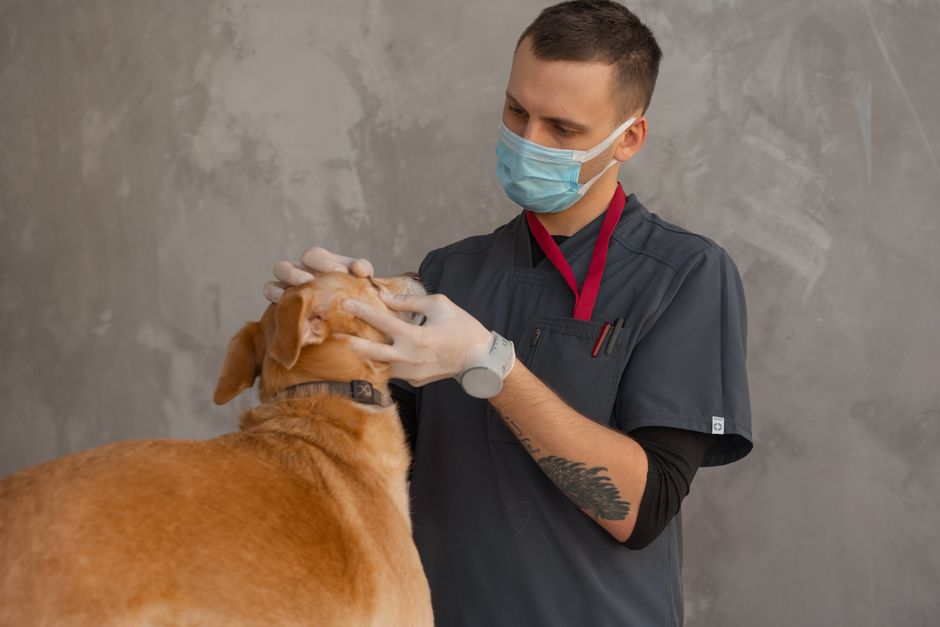
Our veterinary team at Countryside Veterinary Services is here to provide comprehensive springtime care for all your pets’ needs. Scheduling a wellness examination this April is one of the most important steps you can take to ensure your pet is healthy and ready to embrace the new season. During a wellness exam, our veterinarians will assess your pet’s overall health, check for early signs of illness, and discuss any changes you’ve noticed in their behavior or energy levels.
Preventive health is at the core of what we do. We recommend discussing preventative care services with our veterinary professionals, which may include updating vaccinations, reviewing parasite prevention strategies, and screening for common diseases. Heartworm testing is especially crucial in spring, as the risk for exposure increases with the arrival of mosquitoes. Our team can guide you in choosing the right parasite prevention products for your pet’s lifestyle, whether they are an outdoor adventurer or a cozy indoor companion.
Many pets develop seasonal allergies that can cause discomfort and recurring skin or ear issues. We offer allergy testing services to help identify specific triggers and create a tailored management plan. If your pet has a history of allergies or you have noticed new symptoms like excessive scratching or chewing, our veterinarians can recommend treatments to relieve discomfort and prevent complications.
For pets with existing medical conditions, spring is an excellent time to review ongoing management plans, adjust medications as needed, and ensure mobility aids or joint supplements are effective. Our hospital also offers surgical care, dental services, and routine diagnostics to address a wide range of springtime health concerns.
Spring Wellness at Home: Tips for a Healthy Season
While professional veterinary care is essential, pet owners play a vital role in supporting spring wellness at home. Daily routines like brushing your pet’s coat help remove loose fur and minimize shedding, while also giving you a chance to check for lumps, bumps, or parasites. Bathing, when appropriate for your pet’s species and coat type, can help wash away pollen and allergens picked up outside. Regularly cleaning your pet’s bedding and vacuuming your home reduces the presence of dust mites, dander, and other irritants.
Ensuring your pet is protected against fleas, ticks, and heartworms is a year-round commitment, but spring is a particularly important time to double-check that preventives are up to date. If you are unsure which products are best for your pet, your veterinarian can make recommendations tailored to their size, age, and risk factors.
For pets prone to spring allergies, wiping paws and coats after outdoor play can reduce exposure to pollen and other allergens. Monitoring your pet’s water intake and ensuring they always have access to fresh, clean water helps them stay hydrated as the temperatures rise. Outdoor pets should have access to shaded areas and never be left in vehicles or unventilated spaces as the weather warms up.
Finally, keeping an eye on your pet’s activity level and weight supports overall health. Increased outdoor time can be wonderful for physical and mental wellbeing, but be mindful of overexertion, especially in older pets or those with chronic conditions.
When to Schedule a Veterinary Visit
It is always better to err on the side of caution when it comes to your pet’s health. If you notice persistent symptoms such as itching, sneezing, coughing, vomiting, diarrhea, or changes in appetite, it is time to schedule an appointment with your veterinary team. Sudden changes in behavior, difficulty breathing, swelling, or signs of pain should also prompt a call to your veterinarian right away.
Some conditions, like heartworm disease or tick-borne illnesses, may not show obvious signs until they become advanced, so regular wellness exams and screenings are vital. If your pet is due for vaccinations, parasite prevention renewal, or has not had a check-up in several months, spring is an ideal time to get back on track.
Should your pet experience a sudden injury or appear to be in distress, daytime emergency care is available at Countryside Veterinary Services. For after-hours emergencies, you can find support at local specialty clinics such as Small Animals Emergency Clinic in Springfield or, for large animals, the University of Illinois 24/7 Veterinary Teaching Hospital.
If you are searching for a veterinarian near me who understands the unique challenges of spring in Taylorville, our team is ready to help.
Your Spring Pet Wellness Partner in Taylorville
Spring in Taylorville is a time for new beginnings, and your pet’s health deserves a fresh start too. By staying attentive to seasonal changes, prioritizing preventive care, and partnering with a trusted veterinary team, you give your pet the best chance for a vibrant, healthy season. Countryside Veterinary Services offers comprehensive support, from thorough wellness examinations and preventative care to allergy testing and urgent care if needed.
If you are ready to schedule your pet’s spring checkup or have concerns about seasonal allergies, parasites, or general health, our veterinary professionals are here to answer your questions. You can easily book an appointment by calling (770) 788-7387 or visiting our clinic at 201 South Water Street, Taylorville, IL 62568. Our commitment is to provide the highest quality care to pets throughout Taylorville and the surrounding communities all year long.
Let’s work together to make this spring your pet’s healthiest yet. Contact Countryside Veterinary Services today and experience the difference a dedicated veterinary team can make for your beloved companion.
Medical Disclaimer: This blog is intended for educational purposes only and does not replace professional veterinary diagnosis or care. Always consult your veterinarian for specific guidance regarding your pet’s health.