August Storm Safety Tips for Pets and Livestock
August Storm Safety Tips for Pets and Livestock
Late summer in Taylorville, IL, often brings dramatic thunderstorms, high winds, and sudden weather changes that can put every member of your household or herd at risk. Whether you care for dogs, cats, horses, or livestock, protecting animals during August storms is a critical responsibility. At Countryside Veterinary Services, located at 201 South Water Street, Taylorville, IL 62568, our veterinary team recognizes the unique challenges that both pet owners and agricultural producers face during severe weather. This comprehensive guide will walk you through recognizing storm-related dangers, understanding why animals react the way they do, and taking practical steps to safeguard your dogs, cats, horses, and livestock throughout the unpredictable August storm season. You will also find guidance on when to seek veterinary help and how our team can support you with both routine and emergency care.
Recognizing Storm-Related Risks for Animals
Understanding how storms affect different types of animals is the first step in keeping them safe. For pet owners, common concerns during thunderstorms include anxiety, escape attempts, and injuries from debris or electrical hazards. Dogs and cats may show stress by pacing, trembling, hiding, or vocalizing more than usual. Some pets try to flee the house or yard, risking getting lost or hurt.
For producers and horse owners, storms threaten animal safety in other ways. Livestock and horses may become agitated by thunder and lightning, leading to injuries from running into fences, crowding in barns, or even breaking through enclosures. Flash flooding, downed power lines, and flying debris can also create dangerous situations for animals housed in barns or out on pasture. Signs that animals are experiencing storm-related stress include restlessness, increased vocalization, clustering together, or refusal to eat or drink. Horses may sweat, paw the ground, or pace nervously during storms. Livestock sometimes become difficult to handle, making routine management or emergency interventions more challenging.
Being able to recognize these behaviors quickly allows you to take preventive action before minor stress escalates into serious injury or loss.
Why August Storms Pose Special Dangers
August is known for heat, humidity, and the potential for fast-moving thunderstorms in central Illinois. The combination of high temperatures and storm systems increases challenges for both pets and livestock. For companion animals, the sudden crash of thunder and bright flashes of lightning often trigger intense fear-based reactions. Many pets have heightened noise sensitivity during this time of year, and their instinct to hide or flee can become more pronounced.
For livestock and horses, summer storms can coincide with heat stress, already elevated from long days on pasture or in the barn. The threat of lightning strikes is higher in open fields, and animals without adequate shelter may struggle to find safety quickly. Power outages from downed lines can also disrupt water supply systems on farms, leaving cattle, sheep, goats, and horses at risk of dehydration if backup plans are not in place. Additionally, August storms may bring hail, high winds, and even tornado risk, further increasing the need for robust emergency planning.
Managing Storm Anxiety and Physical Risks
For Dogs and Cats
Helping pets cope with storm stress often involves creating a safe indoor environment. Consider preparing a secure, quiet room where your dog or cat can retreat during a storm. Playing calming music or white noise can help mask the sound of thunder. Some pets benefit from anxiety wraps, pheromone diffusers, or veterinarian-recommended medications when storms are especially severe. Always ensure your pets are wearing up-to-date ID tags and are microchipped, as frightened animals may bolt through open doors or windows.
If your pet has a history of severe storm phobia—manifested by destructive behavior, self-injury, or escape attempts—speak with our veterinary team about individualized anxiety management plans. We offer preventative veterinary care services that include behavioral counseling and tailored medication protocols when necessary.
For Horses
Horses are particularly sensitive to storm changes, and their size and strength mean an anxious horse can quickly become a danger to itself and handlers. Before storms arrive, check that all fencing is secure and free of debris that could injure a panicked horse. Bring horses into a sturdy barn if possible, or ensure they have access to solid shelter in the pasture. Keep aisles clear and avoid tying horses during active storms, as this increases the risk of injury if the animal reacts suddenly.
If your horse has a history of colic or other stress-related issues during storms, consult our team about comprehensive equine veterinary services. Preventive care, routine soundness exams, and emergency protocols can help mitigate risk.
For Livestock
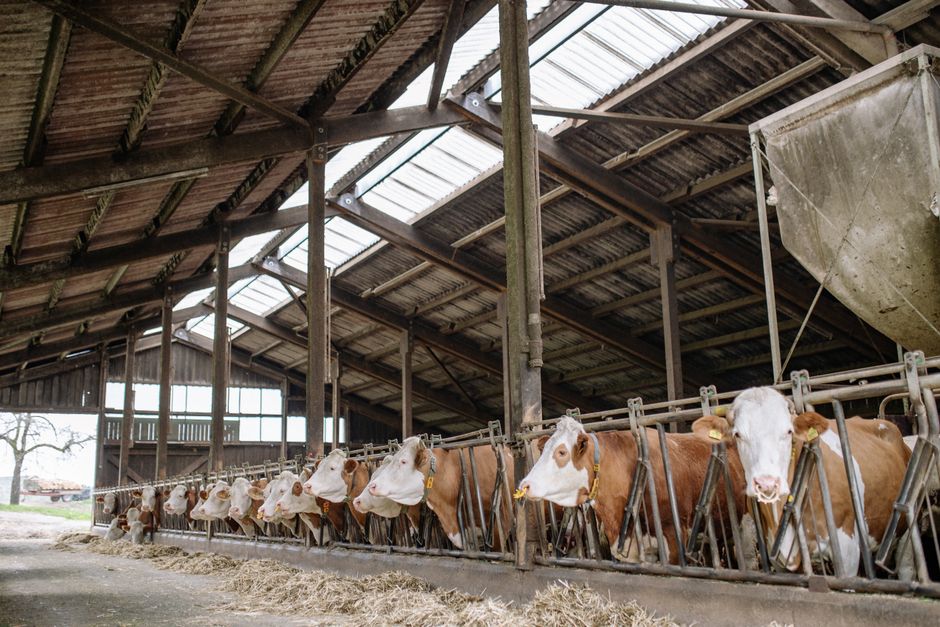
Producers must balance the needs of large groups of animals with the realities of farm infrastructure. Before storm season, inspect barns, sheds, and windbreaks for structural integrity. Move livestock to the most secure area available, ideally with access to both shelter and clean water. Avoid overcrowding, as tight quarters can lead to trampling or suffocation if animals panic.
If you rely on electric waterers, have a backup plan in place for power outages. After the storm, check all livestock for injuries, and monitor for signs of stress-related illness such as reduced intake, lameness, or abnormal behavior. Our team provides veterinary care services for farm and production animals that can support you with post-storm health assessments and herd health planning.
Preventing Storm-Related Injuries and Illness
Preparation is the foundation of animal storm safety. For pet owners, steps include updating ID tags, microchips, and emergency contact information. Assemble a pet emergency kit with food, water, medications, and familiar bedding. Practice bringing pets indoors quickly, and secure windows and doors before storms begin.
Horse owners should regularly review barn and pasture safety, remove sharp objects, and ensure that all doors and gates function properly. Consider practicing emergency loading into trailers, especially if evacuation is ever necessary. Stock up on extra feed, water, and first-aid supplies, and keep veterinary contact information readily accessible.
For livestock producers, establish and review an emergency action plan with everyone on your operation. This plan should outline where animals will be sheltered, how water and feed will be provided during outages, and who is responsible for post-storm checks. Maintain clear access paths for veterinary professionals, and have equipment on hand to clear debris after the storm.
In all cases, discuss your storm preparedness plan during your animal’s next preventative veterinary care appointment. Our team can help you identify risk factors unique to your property and animals, and recommend specific protocols for the Taylorville region’s weather patterns.
When to Seek Veterinary Care After a Storm
After severe weather, it is essential to inspect all animals for injuries or signs of distress. For pets, emergency situations include wounds, lacerations, heatstroke, difficulty breathing, or signs of shock such as pale gums and weakness. Pets that have gone missing or been exposed to hazardous materials should be examined promptly.
For horses, seek immediate care if you notice lameness, deep cuts, difficulty breathing, or colic symptoms such as rolling, pawing, or refusing to eat. Horses with signs of dehydration, eye injuries, or electrical burns from downed wires need urgent attention.
Livestock should be evaluated for broken limbs, deep wounds, respiratory distress, or abnormal behavior such as inability to rise, lack of appetite, or separation from the group. It is particularly important to monitor young or pregnant animals, as they may be more vulnerable to post-storm complications.
Do not attempt to handle or treat serious injuries on your own, especially if power lines are down or animals are acting unpredictably. Contact our veterinary team at (770) 788-7387 or bring pets to the clinic at 201 South Water Street, Taylorville, IL 62568 for prompt evaluation. For daytime emergencies, our clinic provides emergency veterinary care for all species we serve.
Local Resources and Community Preparedness
Taylorville and surrounding communities are known for their resilience and strong sense of neighborly support during severe weather events. Stay connected with local emergency management updates, weather alerts, and community resources. If your animals require specialized care after a storm, our veterinarians can help coordinate with regional and university-based emergency services as needed.
For additional information on emergency protocols for animals, consult reputable sources such as the American Veterinary Medical Association’s disaster preparedness guides or local agricultural extension offices.
Keeping Every Animal Safe: Action Steps for August Storms
August storms in Taylorville, IL, demand proactive planning and quick action from both pet owners and producers. By understanding the unique risks that thunderstorms bring to pets, horses, and livestock, you can create a safer environment for every animal under your care. The key to success lies in recognizing the signs of storm-related stress, preparing shelters and emergency kits, and having a clear plan for veterinary support.
Remember, Countryside Veterinary Services is your trusted partner for animal health in Taylorville and the surrounding communities. Whether you need a routine check-up, help with storm anxiety, or urgent wound care, our veterinary professionals are here to support both your household and your operation. When searching for a veterinarian near me, look for a clinic with experience in both companion and large animal care.
To schedule an appointment or discuss your storm safety plan, contact our team at (770) 788-7387 or visit us at 201 South Water Street, Taylorville, IL 62568. From pets to livestock, we are committed to keeping your animals safe and healthy all year long.
This blog is intended for educational purposes only and does not replace professional veterinary advice. For specific concerns or emergencies, always consult your veterinarian or seek immediate care as needed.