Back-to-School Hazards for Pets and Livestock in August
Back-to-School Hazards for Pets and Livestock in August
As August arrives and families in Taylorville and surrounding communities prepare for the new school year, the routines of both people and animals shift dramatically. From changing schedules to new traffic patterns and the appearance of unfamiliar items like school supplies, this transition brings a unique set of hazards for dogs, cats, horses, and livestock. At Countryside Veterinary Services, located at 201 South Water Street, Taylorville, IL 62568, our veterinary team understands the importance of keeping every species in your care safe as your household or operation adapts to the back-to-school season.
This guide will help you recognize potential risks, understand why they arise in August, learn how to manage incidents, and implement effective prevention strategies for both household pets and production animals. Whether you are a pet owner concerned about your dog's reaction to a quiet house or a producer watching for stress in your herd during increased farm traffic, our veterinarians are here to support you. We will also explain when and how to seek professional veterinary care should issues emerge, ensuring the wellbeing of every animal under your stewardship.
Recognizing Back-to-School Hazards for Pets, Horses, and Livestock
Signs Your Pets May Be Affected
As children return to school, pets may exhibit signs of stress or boredom due to the sudden change in routine and reduced daytime human interaction. Common symptoms include increased vocalization, destructive chewing or scratching, and changes in appetite. Dogs may become anxious or develop separation behaviors, while cats might hide more frequently or become less social. Additionally, curious pets are more likely to investigate new school supplies, backpacks, and lunchboxes that are often left within reach.
Warning Signs in Horses and Livestock
For horses and production animals, the start of the school year often brings more vehicle traffic on rural roads and in driveways, as well as changes in farm activity. Livestock may be startled by increased movement, new noises, or unfamiliar visitors. Signs of stress in cattle, sheep, or goats include restlessness, reduced feed intake, or clustering at the far end of the pasture. Horses may show nervousness, spook more easily, or display reluctance to be handled near busy farm lanes or parking areas.
Hazards Posed by School Supplies and Seasonal Changes
Both pets and livestock can encounter hazards from items like pencils, markers, glue sticks, and snack wrappers. These objects, if left accessible, can lead to choking, gastrointestinal blockage, or even poisoning. On the farm, forgotten lunch trash or plastic wrappers dropped by children during chores can attract curious calves or goats, while horses may sample unfamiliar objects left in the barn aisle.
Understanding the Causes Behind August Risks
Shifting Routines and Their Impact
The start of the school year brings a drastic change in household and farm routines. Pets accustomed to a house full of activity may suddenly find themselves alone for most of the day. This abrupt quiet can trigger anxiety, boredom, and behavioral issues. For production animals, increased early morning commutes and after-school arrivals can mean more vehicles entering and exiting the property, creating a different rhythm from the quieter summer months.
Increased Traffic and On-Farm Activity
With more vehicles on rural roads and driveways, the risk of animal-vehicle interaction rises. Dogs may escape in search of family members or be tempted to chase school buses, while livestock and horses near unfenced areas are at heightened risk if gates are accidentally left open. Additionally, the presence of visitors or children unfamiliar with animal behavior can lead to accidental injuries, especially if animals are startled or approached incorrectly.
Accessibility of Hazardous Items
School supplies, lunchbox foods, and packaging materials often end up within reach of animals during the flurry of morning departures or after-school arrivals. Common hazardous items include grapes, raisins, chocolate, and sugar-free gum, all of which can be toxic to dogs. For livestock, plastic wrappers or foreign objects can cause digestive upset or even life-threatening blockages.
Managing Incidents and Providing Professional Care
Addressing Pet Ingestion of Hazardous Items
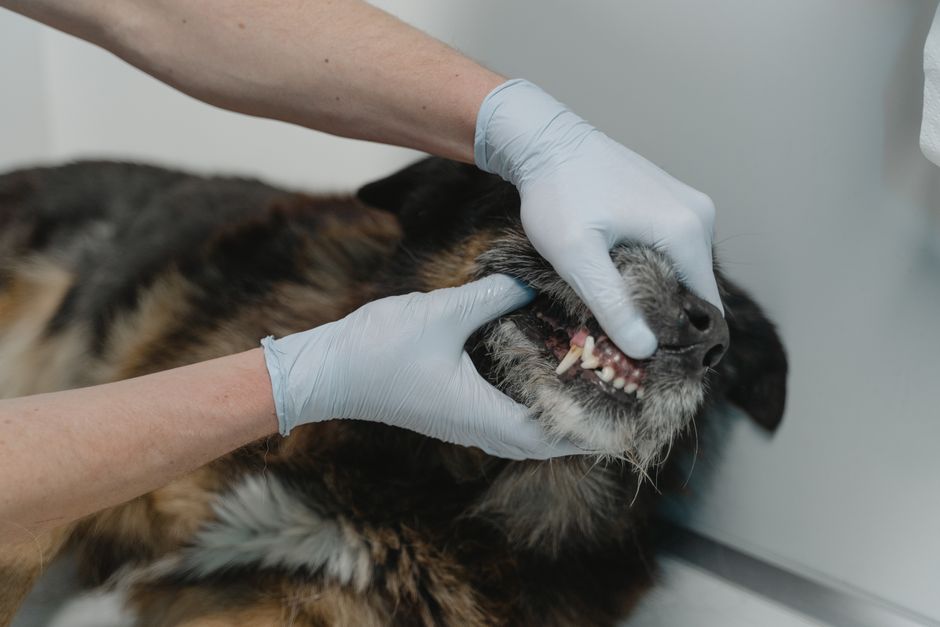
If you suspect your dog or cat has ingested a school supply, food item, or foreign object, symptoms to watch for include vomiting, drooling, abdominal pain, lethargy, and changes in appetite. Immediate veterinary attention is crucial if you notice signs of distress, especially with known toxins like chocolate or xylitol-containing gum. Our team provides emergency veterinary care during daytime hours and can guide you on next steps if an incident occurs.
Handling Stress and Anxiety in Pets
For pets displaying signs of separation anxiety or stress, professional intervention may involve a combination of behavior modification, environmental enrichment, and, in some cases, medication. Our veterinarians can evaluate your pet’s specific needs, provide advice on creating a safe, engaging environment, and recommend appropriate therapies or products.
Managing Livestock and Horse Injuries or Illnesses
If a member of your herd or your horse is injured due to increased traffic or is showing signs of stress, prompt evaluation is essential. Injuries such as lacerations, lameness, or respiratory distress should be addressed by our veterinary team to prevent complications. For horses, our comprehensive equine services include emergency wound care, lameness evaluation, and health checks tailored to performance, working, and companion horses.
Foreign Object Ingestion in Livestock
When livestock ingest non-food items, symptoms may include decreased appetite, bloat, colic, or abnormal manure. Early detection and veterinary intervention can make a significant difference in outcomes. Our herd health services include on-farm evaluation and treatment for digestive issues, as well as guidance on reducing future risks.
Prevention and Home or Farm Strategies
Keeping Pets Safe at Home
To reduce risks for household pets, establish consistent routines that help dogs and cats feel secure even when the house is empty. Start by gradually increasing periods of alone time before school begins, offering interactive toys, and creating safe spaces where animals can retreat. Store school supplies, backpacks, and lunchboxes out of reach, and educate family members about keeping potentially hazardous items away from pets.
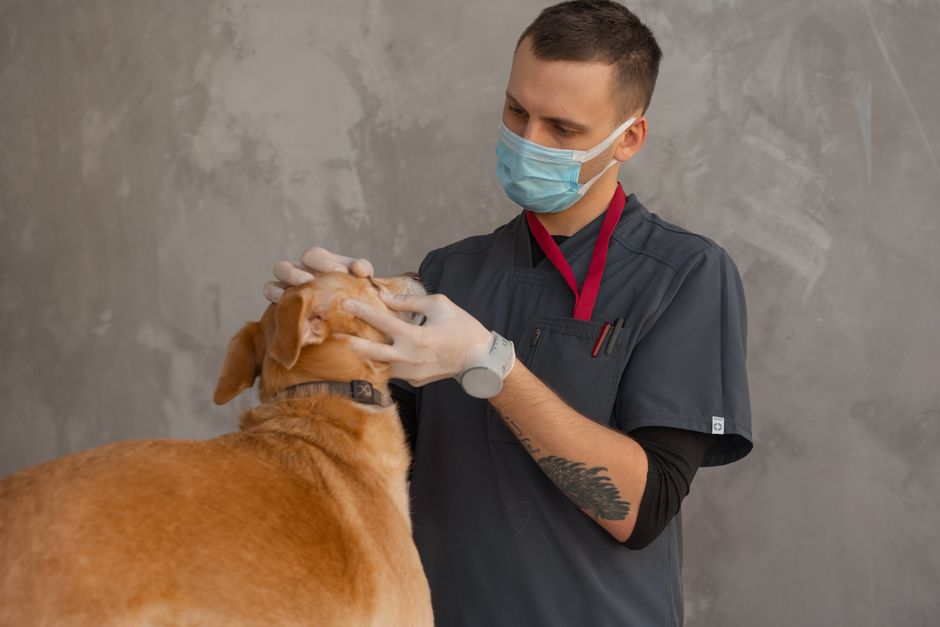
A regular schedule of wellness examination helps catch stress-related issues early, ensuring your pet is healthy as routines change. If you haven’t scheduled your pet’s annual checkup or vaccinations, August is an excellent time to do so, especially with increased exposure to visitors and new environments.
Protecting Horses and Livestock on the Farm
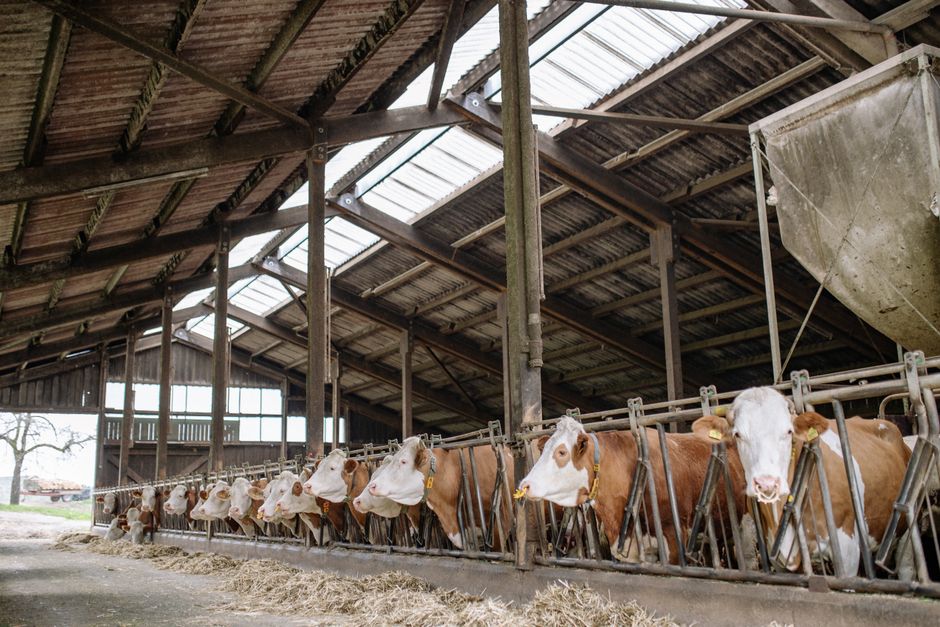
Producers should review fencing and gate security to prevent animals from wandering near driveways or roads during high-traffic hours. Consider placing visible reminders for family members and visitors to close gates, and restrict animal access to areas where vehicles turn around or park. When children or guests are present, supervise interactions with livestock and horses, and provide education on safe handling.
To prevent ingestion of foreign objects, maintain clean barn aisles, pastures, and feed areas. Assign designated areas for lunch breaks and ensure trash is disposed of in secure bins. For herd and flock health, regular monitoring for signs of stress or illness during this busy season is vital, and our farm call team is available for on-farm consultations and preventative health checks.
Tackling Seasonal Allergies and Parasites
Changes in weather and increased outdoor activity can also lead to flare-ups of allergies and parasite exposure. Watch for symptoms such as itching, coughing, or sudden changes in grazing or feeding patterns. Our veterinarians can recommend preventative care to minimize the impact of seasonal threats, ensuring your animals stay healthy during the back-to-school transition.
When to Seek Veterinary Care
For Companion Animals
Contact our veterinary team immediately if your dog or cat displays persistent vomiting, diarrhea, excessive drooling, seizures, difficulty breathing, or signs of pain after exposure to school supplies or foods. Rapid intervention is essential for suspected toxin ingestion or gastrointestinal blockage. If behavioral changes such as anxiety or destructive actions persist, schedule a consultation to discuss management strategies tailored to your household’s needs.
For Horses and Livestock
Producers should reach out for veterinary assistance if cattle, sheep, goats, or horses show sudden changes in appetite, abnormal behavior, unexplained injuries, or symptoms like bloat, colic, or respiratory distress. Early evaluation prevents minor injuries from becoming major health concerns, especially during periods of increased farm activity. If you are concerned about a possible foreign object ingestion or your animal’s overall health, our team is prepared to assist with both diagnosis and treatment.
For after-hours emergencies, pet owners can contact the Small Animals Emergency Clinic in Springfield or, for livestock, consult the University of Illinois Large Animal Emergency. However, for daytime incidents, Countryside Veterinary Services provides urgent care for all animals we serve.
Keeping Every Animal Safe During Back-to-School Season
August brings new routines and risks for both pets and livestock, but with proactive steps and attentive care, you can minimize hazards and keep every animal in your home or operation healthy and secure. By recognizing signs of stress or illness, preventing access to hazardous items, and maintaining open communication with your veterinary team, you create a safer environment for dogs, cats, horses, and herds alike.
If you notice any unusual behaviors, signs of illness, or want to review your animal health program before the school year ramps up, we encourage you to contact Countryside Veterinary Services. Schedule an appointment for a wellness examination, discuss preventative care, or request a farm visit as needed; our team of veterinarians is dedicated to supporting the animal health needs of Taylorville and surrounding communities. When searching for a veterinarian near me, know that you have a trusted local partner ready to help at 201 South Water Street, Taylorville, IL 62568. Call (770) 788-7387 to speak with our veterinary professionals and ensure a safe, healthy start to the school year for every animal in your care.
This blog is intended for informational purposes only and should not replace professional veterinary advice. For specific concerns or emergencies, always contact your veterinarian directly.