Dog Echocardiogram: What Taylorville Pet Owners Should Know
Dog Echocardiogram: What Taylorville Pet Owners Should Know
If your dog has been showing signs of heart trouble, or your veterinarian has recommended a closer look at your pet’s cardiac health, you may be wondering what a dog echocardiogram is and how it can help. At Countryside Veterinary Services, located right in Taylorville, IL, our veterinary team uses advanced diagnostic tools like echocardiograms to assess heart health in both dogs and cats. Understanding what an echocardiogram involves, why it might be recommended, and what you can expect during your visit can help you make informed decisions about your pet’s care. In this article, we’ll cover the basics of dog echocardiograms, signs that your pet may need this test, how the procedure works, and how early detection can make all the difference for your dog's quality of life. Whether you live in Taylorville or one of our surrounding communities, Countryside Veterinary Services is committed to helping you keep your dog’s heart in top shape.
Recognizing When Your Dog Might Need an Echocardiogram
It isn’t always obvious when a dog’s heart isn’t working as it should, but there are certain signs that suggest a deeper look is needed. Some dogs may show symptoms like coughing, difficulty breathing, or tiring out quickly on walks. Other signs to watch for include fainting episodes, a swollen abdomen, or a noticeable decrease in activity level. In some cases, heart conditions are discovered during a routine wellness examination, when a heart murmur or irregular rhythm is found. If your veterinarian hears an unusual sound during your dog’s checkup or if your pet has risk factors such as age, breed, or a history of heartworm disease, they may recommend a dog echocardiogram to get a clearer picture of your dog’s heart health.
It’s important to remember that heart disease can affect dogs of any age or breed, but certain breeds are more prone to specific heart conditions. For example, smaller breeds like Cavalier King Charles Spaniels are at higher risk for mitral valve disease, while larger breeds such as Doberman Pinschers may be prone to dilated cardiomyopathy. Even if your dog isn’t showing obvious signs, regular veterinary visits are essential for early detection.
Understanding the Causes and Risk Factors for Canine Heart Disease
Heart disease in dogs can develop for several reasons. Some conditions are present from birth, while others develop over time due to age, infection, or lifestyle factors. Common causes include degenerative valve disease, which leads to leaky heart valves, and diseases of the heart muscle like cardiomyopathy. Heartworm disease, caused by mosquitoes, can also damage the heart and lungs if not prevented. Other contributing factors might involve genetics, chronic high blood pressure, or other underlying health issues.
Understanding the underlying cause is important, as it will help guide your veterinarian in developing the best treatment plan for your dog. For example, a dog with mitral valve disease may require different medications or monitoring than a dog with heartworm-associated heart failure. In Taylorville and the Midwest, seasonal heartworm prevention is especially important due to the regional mosquito population. Ensuring your dog is protected year-round can help minimize this risk.
How a Dog Echocardiogram Works and What to Expect
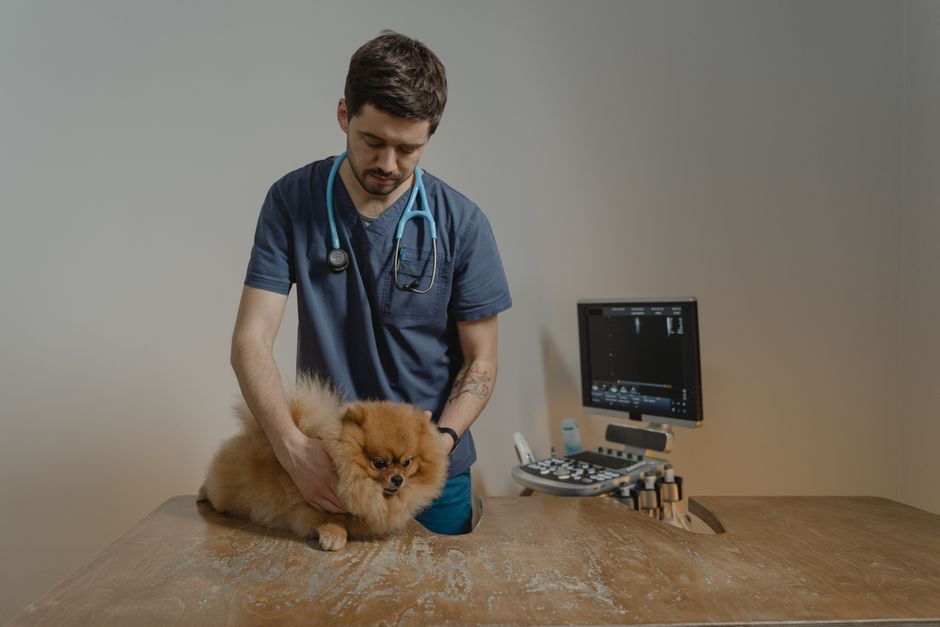
A dog echocardiogram is a specialized ultrasound test that allows your veterinarian to visualize the structure and functioning of your dog’s heart in real time. Unlike a standard X-ray that captures a still image, an echocardiogram uses sound waves to create a moving picture of the heart’s chambers, valves, and blood flow. This non-invasive test is usually performed with your dog lying comfortably on their side, and most dogs tolerate the procedure very well. In many cases, sedation is not needed, although it may be recommended for especially anxious dogs.
During the echocardiogram, a small probe is gently placed against your dog’s chest. The veterinary professional will use this probe to collect images and measurements of the heart while monitoring your dog’s comfort. The procedure typically takes between 30 and 60 minutes. The information gathered can help confirm or rule out heart disease, determine the severity of any problems, and guide treatment decisions. If your dog has been referred for an echocardiogram, you can learn more about what to expect by visiting our page on veterinary echocardiogram services.
In some cases, your veterinarian may also recommend additional diagnostic tests, such as an electrocardiogram to evaluate your dog’s heart rhythm, or other veterinary ultrasound services to assess abdominal organs if other health concerns are present.
Treatment and Management After a Dog Echocardiogram
After your dog’s echocardiogram, the veterinary team will review the results and discuss the next steps with you. If your dog’s heart appears healthy, you may simply be advised to continue routine checkups and preventive care. If a heart condition is detected, your veterinarian will explain the diagnosis and outline a treatment plan tailored to your dog’s specific needs.
Treatment options vary depending on the underlying cause and severity of the heart disease. Management may include medications to help the heart pump more effectively, reduce fluid buildup, or control blood pressure. Dietary recommendations, exercise adjustments, and monitoring at home are often part of the plan. For some dogs, repeat echocardiograms are recommended every few months to track changes and ensure the treatment is working as intended.
In cases where the heart disease is advanced, your veterinarian will help you understand the prognosis and support you in making decisions that prioritize your dog’s quality of life. At Countryside Veterinary Services, we are here to answer your questions, provide compassionate support, and work closely with you to manage your dog’s heart health every step of the way.
Preventing Heart Disease and Supporting Heart Health at Home
While not all heart conditions in dogs can be prevented, there are important steps you can take at home to support your dog’s heart health. Ensuring your dog receives regular veterinary checkups, maintains a healthy weight, and follows a balanced diet are all essential. Year-round heartworm prevention is particularly important in Taylorville and surrounding communities due to the risk of mosquito-borne illness. Your veterinarian can recommend the best preventive medications for your dog’s age, breed, and lifestyle.
If your dog is diagnosed with heart disease, following your veterinarian’s instructions for medication, diet, and exercise is critical. Monitoring your dog for changes in breathing, energy level, appetite, and weight can help you catch potential complications early. If you notice any new or worsening symptoms, it is important to contact your veterinarian promptly.
Even if your dog is not showing any signs of heart disease, annual wellness visits and comprehensive pet exams are your best defense for early detection. These visits give your veterinarian a chance to listen to your dog’s heart, assess their overall health, and recommend screening tests if needed.
When to Seek Veterinary Care for Your Dog’s Heart Health
Knowing when to call your veterinarian is crucial for your dog’s well-being. If you notice symptoms such as persistent coughing, difficulty breathing, collapse or fainting, a swollen belly, or sudden changes in activity level, your dog should be evaluated as soon as possible. These signs can indicate serious heart problems that require prompt attention.
Even in the absence of symptoms, certain dogs may benefit from a proactive approach. Breeds predisposed to heart disease, senior dogs, or those with a history of heartworm infection should receive regular checkups and screening as recommended by your veterinarian. Daytime emergency care is available at Countryside Veterinary Services, so if you ever have concerns, do not hesitate to reach out to our veterinary team.
It is important to remember that early diagnosis and management of heart disease can significantly improve your dog’s prognosis and quality of life. If you are unsure whether your dog needs a dog echocardiogram or other cardiac testing, scheduling an appointment with our team is the best way to get answers and peace of mind.
Supporting Your Dog’s Heart: Why Early Detection Matters
Heart disease is a common issue in dogs, but with advances in veterinary diagnostics like dog echocardiograms, it is possible to detect problems earlier and provide more effective treatment. At Countryside Veterinary Services, we are dedicated to helping Taylorville pet owners protect their dogs’ heart health through personalized care and the latest diagnostic technology. If you have noticed changes in your dog’s behavior or have been advised to consider cardiac testing, our veterinary professionals are here to help you every step of the way.
When searching for a veterinarian near me who offers advanced heart diagnostics, know that Countryside Veterinary Services combines experience, compassion, and leading-edge technology to provide the best possible care. To learn more about our echocardiogram and diagnostic services, or to schedule an appointment, reach out to our team at (770) 788-7387 or visit us at 201 South Water Street, Taylorville, IL 62568. Early detection makes all the difference, so if you have questions about a dog echocardiogram, contact us today and let us put your mind at ease.
This article is intended for educational purposes only and should not be considered a substitute for professional veterinary advice. Always consult with your veterinarian for guidance specific to your dog’s health.