Echocardiogram for Dogs: What Taylorville Pet Owners Should Know
Echocardiogram for Dogs: What Taylorville Pet Owners Should Know
When you hear your veterinarian suggest an echocardiogram for your dog, it is natural to feel concerned and full of questions. Heart health is crucial for your companion’s quality of life, and understanding advanced diagnostics like echocardiograms can give you peace of mind and help you make the best choices for your dog’s care. At Countryside Veterinary Services, located at 201 South Water Street, Taylorville, IL 62568, our veterinary team provides state-of-the-art cardiac assessments—including echocardiogram for dogs—to help detect, diagnose, and manage heart conditions. This blog will guide you through what an echocardiogram is, why your dog might need one, what to expect during the process, and how our team supports heart health for pets throughout Taylorville and surrounding communities. We will also discuss early warning signs, causes of heart disease, treatment options, and preventive steps you can take at home. If you are looking for advanced heart screening for your companion, our team is here to help you every step of the way.
Recognizing Heart Concerns in Dogs: When Should You Worry?
As a pet owner, it can be difficult to know when subtle changes in your dog’s behavior might indicate a deeper health concern. Heart disease in dogs is not always obvious at first, which is why being familiar with the signs is so important. Symptoms of heart problems may include coughing, especially at night or after exercise; labored or rapid breathing; decreased tolerance for activity; fatigue or reluctance to play; fainting or collapse; and episodes of restlessness or pacing. Some dogs may develop a swollen abdomen due to fluid accumulation, or you might notice blue-tinged gums, which signal poor oxygenation.
Keep in mind that these symptoms can also be caused by conditions other than heart disease, but they always warrant attention. If your dog is exhibiting any of these signs, or if you have noticed subtle changes such as quieter behavior or increased sleeping, it is a good idea to schedule a consultation with our veterinary team. Early evaluation allows us to detect issues before they become more serious, and advanced diagnostics like an echocardiogram for dogs can provide a clear picture of your companion’s heart health. For more information on the signs and risks associated with heart disease, you can visit authoritative resources such as the American College of Veterinary Internal Medicine.
What Is an Echocardiogram for Dogs and Why Is It Needed?
An echocardiogram, also known as a cardiac ultrasound, is a non-invasive imaging technique that uses sound waves to create real-time pictures of your dog’s heart. This advanced tool allows our veterinarians to see the heart’s structure and function in detail, including the chambers, valves, and surrounding vessels.
Echocardiograms are recommended for dogs with heart murmurs, abnormal heart rhythms, suspected heart failure, or those with breeds known to be at higher risk for cardiac disease. They are also used to monitor dogs already diagnosed with heart conditions, helping guide treatment decisions and track progression. Unlike routine X-rays, an echocardiogram provides dynamic information about how the heart is pumping and whether the valves are working properly. This makes it one of the most valuable diagnostic tools for accurately diagnosing the type and severity of heart disease in dogs.
If your veterinarian has discovered a heart murmur during a routine preventative care visit, or your dog has begun showing symptoms suggestive of cardiac problems, an echocardiogram is often the next step. At Countryside Veterinary Services, we use this technology to provide timely answers and ensure every dog receives the best possible care.
Common Causes of Heart Disease in Dogs
Understanding why heart problems occur in dogs can help you recognize risks and take preventive measures. Heart disease in dogs generally falls into two categories: congenital (present from birth) and acquired (developing over time). Congenital heart defects can include valve malformations or structural abnormalities, which are often detected in puppies or young adults. Acquired heart disease is much more common and typically affects middle-aged or senior dogs, though certain breeds can develop issues earlier.
The most frequent acquired heart diseases are degenerative valve disease and dilated cardiomyopathy. Degenerative valve disease, particularly affecting the mitral valve, is especially common in small-breed dogs as they age. Large and giant breeds are more prone to dilated cardiomyopathy, where the heart muscle weakens and enlarges. Other contributing factors for heart disease include chronic dental disease, obesity, high blood pressure, and certain infections such as heartworm. For this reason, regular wellness exams and preventive health care are vital in catching problems early and minimizing risk.
How an Echocardiogram for Dogs Is Performed
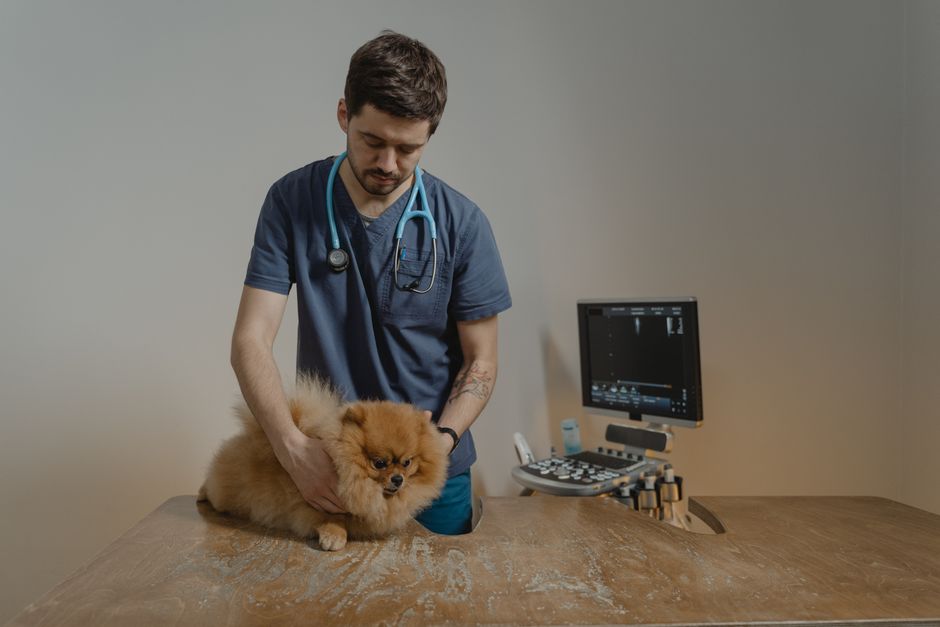
When your dog is scheduled for an echocardiogram at our Taylorville clinic, you can expect a calm and supportive environment. Most dogs do not require sedation for this procedure, although those who are particularly anxious might benefit from gentle calming methods. Your dog will relax on a soft surface while our veterinarians use a small probe and ultrasound gel to capture moving images of the heart from various angles. The process is painless and usually takes 20 to 45 minutes, depending on your dog’s size and temperament.
During the exam, our veterinary professionals will observe heart function, measure blood flow, and check for abnormalities such as valve leaks, thickened heart walls, or fluid buildup. You may be able to stay with your dog throughout the procedure, helping reduce stress and ensuring your companion feels safe.
Within a short time after the echocardiogram, our team will review the results and discuss the findings with you. This in-depth information allows us to make accurate diagnoses, recommend the most effective treatments, and monitor how your dog’s heart responds over time. If you would like to learn more about this procedure, you can visit our page on echocardiogram services for pets.
Treatment and Management of Canine Heart Disease
If an echocardiogram for dogs confirms heart disease, treatment will depend on the specific diagnosis and the severity of your dog’s condition. Many dogs with mild heart changes do not need immediate medication but should be monitored with regular rechecks and follow-up echocardiograms. For more advanced disease, treatment options include medications that help the heart pump more efficiently, reduce fluid buildup, and manage blood pressure. In some cases, dietary changes or exercise modifications are also recommended.
Our veterinarians might also perform additional diagnostic tests, such as a veterinary electrocardiogram (ECG), to assess your dog’s heart rhythm and look for arrhythmias. By combining these advanced tools, we can tailor a management plan specific to your dog’s needs. Throughout the process, our goal is to improve your dog’s quality of life and help you navigate the challenges of living with a cardiac diagnosis.
Preventive Care and Supporting Your Dog’s Heart Health at Home
Preventive care is one of the most powerful ways to protect your dog’s heart. Steps to support heart health include scheduling regular veterinary checkups, maintaining a healthy weight, providing balanced nutrition, and ensuring your dog receives recommended vaccinations and parasite prevention. Annual or semiannual preventative care visits allow our veterinarians to monitor for early signs of heart disease and catch issues before they progress.
At home, observe your dog for any changes in energy, appetite, breathing, or coughing. Early intervention makes a significant difference in managing heart disease. For breeds predisposed to cardiac problems, such as Cavalier King Charles Spaniels or Doberman Pinschers, more frequent monitoring may be advised. If your dog is taking heart medication, follow dosing instructions carefully and check in with our team about any concerns or changes in behavior.
When to Schedule an Echocardiogram for Your Dog
Knowing when to seek veterinary care is key to keeping your dog healthy. You should schedule an evaluation if your dog develops symptoms such as persistent coughing, difficulty breathing, sudden weakness, or fainting episodes. Additionally, if our veterinarians detect a new heart murmur or irregular rhythm during a routine exam, an echocardiogram is the best way to determine the cause and assess the need for treatment.
For dogs already diagnosed with heart disease, periodic echocardiograms allow us to monitor disease progression and adjust medical therapy as needed. If you are ever unsure whether your dog needs advanced diagnostics, our team is available to guide you. Remember, prompt attention to heart symptoms can lead to better outcomes and a longer, healthier life for your companion.
Supporting Pet Owners in Taylorville and Beyond
At Countryside Veterinary Services, we are committed to providing comprehensive, compassionate care for dogs and other animals throughout Taylorville and the surrounding communities. Our experienced veterinary team combines advanced diagnostics with a caring, personal approach to help you navigate every stage of your dog’s heart health journey. We understand that learning your dog may need an echocardiogram can be stressful, and we are here to answer your questions, explain every step, and support you with the information you need.
If you are searching for a veterinarian near me who offers advanced cardiac care and echocardiogram for dogs, our Taylorville clinic is ready to help. We encourage you to schedule an appointment by calling (770) 788-7387 or visit us at 201 South Water Street, Taylorville, IL 62568. You can also learn more about our echocardiogram services for pets and preventative care options on our website. We look forward to working with you to keep your dog’s heart as healthy as possible for years to come.
This blog is intended for informational purposes only and does not substitute for professional veterinary advice. If you have concerns about your dog’s heart health, please consult our veterinary team directly for personalized recommendations.