Essential May Health Checks for Cattle in Taylorville
Essential May Health Checks for Cattle in Taylorville
As the days grow longer and pastures in Taylorville turn green, May marks a critical time for cattle producers throughout Christian County and surrounding communities. The shift from winter feeding to lush grazing brings new opportunities for herd productivity, but it also introduces unique health challenges that can impact both animal welfare and your bottom line. At Countryside Veterinary Services, located at 201 South Water Street, Taylorville, IL 62568, our veterinary team knows that proactive spring health checks are essential for setting your cattle up for a productive summer grazing season. In this guide, we will outline the most important May health considerations for local herds, explain why these checks matter, and share how our team can support your operation with comprehensive herd health services. Whether your focus is cow-calf production, backgrounding, or finishing, a strategic approach to spring health management can help prevent costly setbacks and ensure your cattle thrive throughout the coming months. Producers looking for expert guidance on herd health in Taylorville and the surrounding area can rely on our experienced team for both on-farm evaluations and in-clinic support.
To learn more about how we can help safeguard your herd, visit our page on herd health services for production animals.
Recognizing Health Risks for Cattle in May
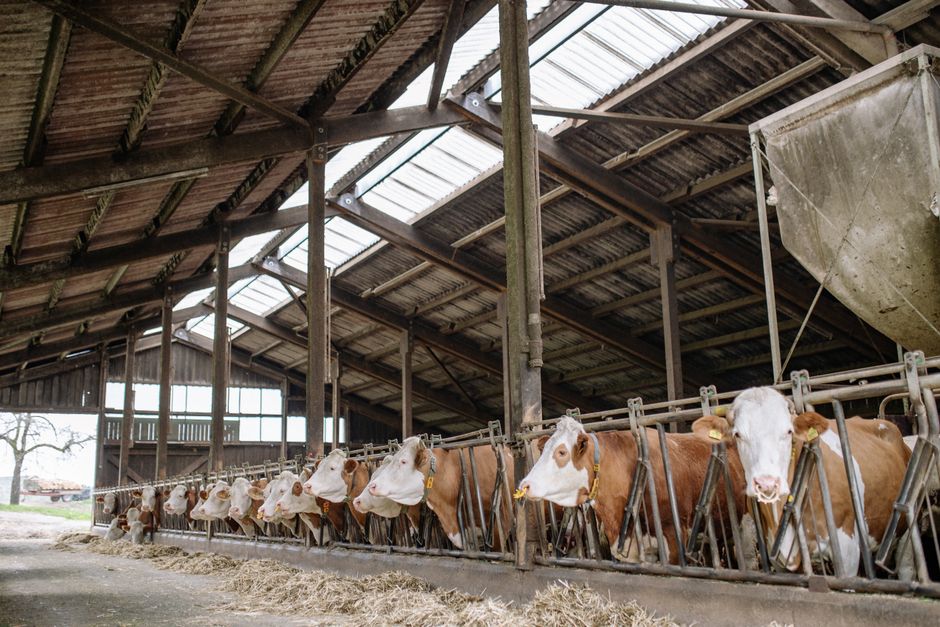
May is a transition month for most cattle operations in central Illinois, and with this change comes a set of risks that require close attention. As cattle move from winter lots to fresh pasture, producers may notice changes in behavior, appetite, or appearance. Common concerns in the spring include the risk of grass tetany, the onset of pinkeye as flies become more active, and the possibility of internal parasite burdens increasing as pastures warm up. Other issues, such as foot rot due to wet ground conditions and the stress of turnout, can also surface during this period.
Symptoms that signal a problem in your herd during May include cattle that appear lethargic, show muscle tremors, or have difficulty walking, which may indicate mineral imbalances like magnesium deficiency. Eye discharge, excessive blinking, or corneal cloudiness are early signs of pinkeye, while coughing, nasal discharge, or a rough hair coat point to respiratory or parasitic issues. Lameness, swelling in the foot, or reluctance to move are warning signs of foot rot in muddy pastures. Noticing these changes early can make a significant difference in treatment outcomes and reduce the risk of disease spreading throughout your herd.
Why Spring Brings Unique Health Challenges
Understanding the causes behind these seasonal health risks is essential for effective prevention and management. The lush, rapidly growing grasses of May are often low in magnesium, putting lactating cows at risk for grass tetany. As cattle graze closer to the ground and consume more green forage, their exposure to infective parasite larvae increases, which can lead to gastrointestinal worm burdens and reduced weight gain. Warmer temperatures and increased rainfall create ideal conditions for both external parasites like flies and the bacteria that cause foot rot.
In addition, the stress of moving cattle to new pastures or handling them for spring processing (such as vaccinations or branding) can weaken immune defenses, making animals more susceptible to disease. Pinkeye outbreaks typically begin in late spring as flies spread the bacteria between animals, especially when pastures are seeded with tall, abrasive grasses that can irritate the eyes. Producers in the Taylorville area should also be aware that recent weather patterns, such as a wet spring or above-average temperatures, can further increase the risk of disease outbreaks.
Professional Herd Health Checks: What to Expect
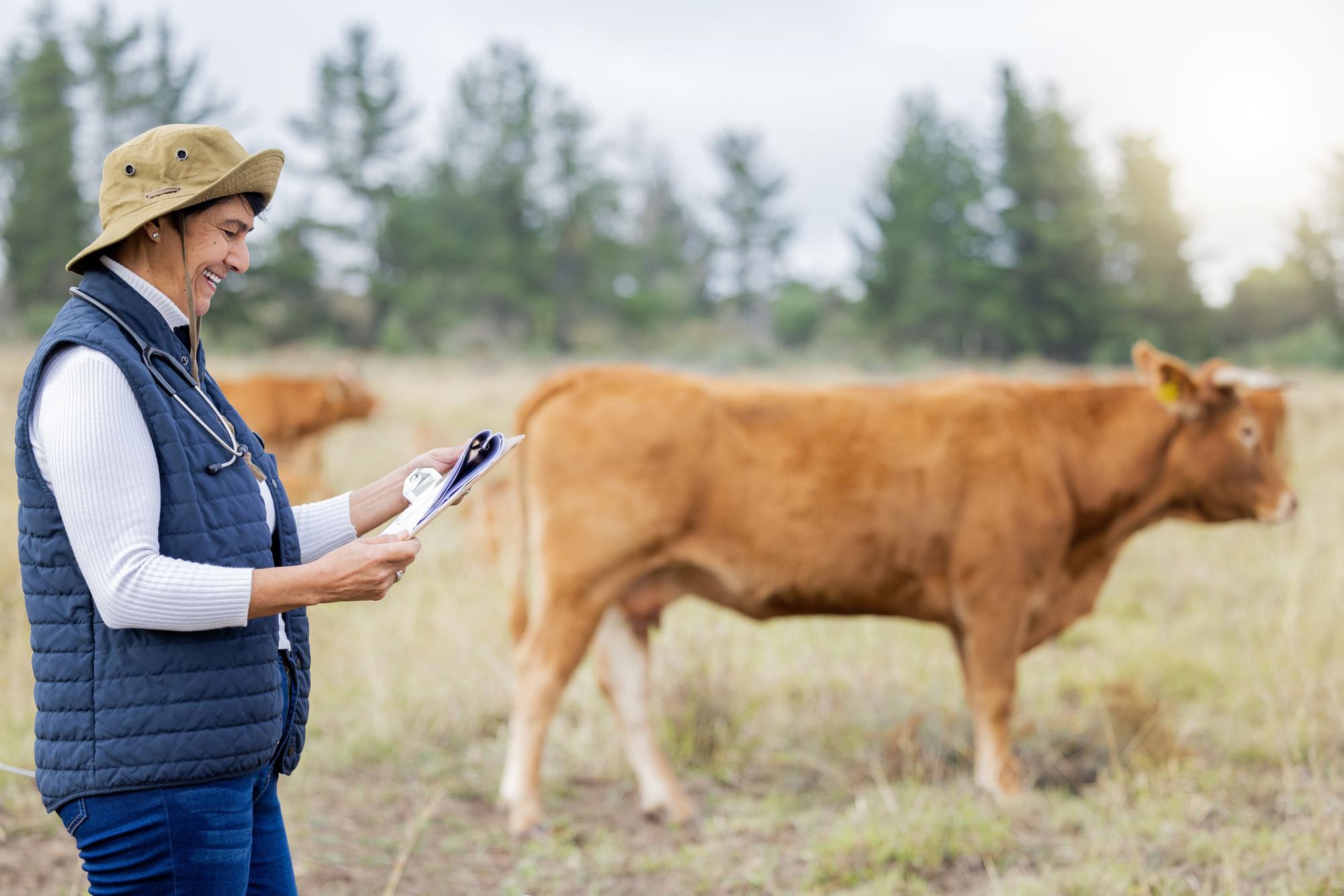
Scheduling a spring herd health check with our veterinary team provides a comprehensive opportunity to catch problems early and tailor preventive strategies to your operation’s needs. During a routine evaluation in May, our veterinarians will assess body condition scores to ensure your cattle are entering the grazing season in optimal health. We will examine animals for signs of mineral deficiencies, check for evidence of lameness or foot disease, and inspect eyes for early pinkeye lesions.
Our team may recommend fecal testing to assess internal parasite loads, allowing us to develop a targeted deworming program rather than relying on routine blanket treatments. If necessary, we can administer spring vaccinations to protect against clostridial diseases, respiratory pathogens, and pinkeye, depending on your herd’s risk profile and previous health history. In addition, we can review your mineral supplementation strategy and suggest adjustments based on forage testing or observed deficiencies.
For operations with breeding stock, May is a good time to perform reproductive checks, including pregnancy diagnosis or bull breeding soundness exams, to set your herd up for a successful calving season next year. Producers can expect practical advice tailored to their specific management system, whether you rotationally graze, dry-lot, or run a cow-calf or stocker program.
For a closer look at the preventive services we offer for cattle and other farm animals, visit our page on preventive care and health checks.
On-Farm Preventive Strategies Producers Can Use
While veterinary care is a crucial part of herd health, there are several steps producers can take at the farm level to minimize risk during the spring transition. Ensuring that a high-magnesium mineral supplement is available to lactating cows during the early weeks of turnout can help prevent grass tetany. Rotating pastures and avoiding overgrazing reduce parasite exposure, as larvae are more concentrated on heavily grazed paddocks. Keeping pastures clipped and controlling weeds can help reduce eye irritation and lower the risk of pinkeye, while fly control measures such as ear tags, pour-ons, or feed-through products help limit the spread of disease.
Checking water sources regularly to ensure clean, fresh water helps prevent dehydration and supports overall herd health. Monitoring cattle daily for subtle changes in behavior, attitude, or appearance allows for early detection of problems, which is key for effective intervention. Proper hoof trimming and prompt attention to any injuries or signs of lameness can prevent minor issues from becoming major problems as pasture conditions change.
When to Call for Professional Veterinary Care
Timely intervention is critical when managing herd health in the spring. Producers should contact our veterinary team if they observe unresponsive animals, sudden deaths, or rapid spread of symptoms such as lameness or eye lesions within the herd. Cattle that are down, trembling, or unable to rise may be experiencing a mineral deficiency or toxic exposure and require immediate attention. Persistent coughing, severe diarrhea, or poor weight gain despite good pasture conditions are signs that a more in-depth evaluation is warranted.
If pinkeye is suspected, early veterinary treatment can help save sight and limit the spread of infection. Likewise, cases of foot rot or severe lameness should be addressed promptly to prevent long-term damage and losses. Our team at Countryside Veterinary Services offers both on-farm and in-clinic support for emergencies and routine health checks, ensuring your operation has access to the expertise needed throughout the production cycle.
If a situation arises outside of our regular hours or requires specialty care, local producers may also consider the University of Illinois large animal emergency service for 24/7 support. However, for most routine and urgent spring health needs, our Taylorville-based team is ready to help.
Supporting Taylorville Cattle Producers Year-Round
May is a pivotal month for setting your herd up for success, and proactive veterinary care can make all the difference as cattle transition to summer pastures. By scheduling seasonal health checks, monitoring for early warning signs, and implementing practical preventive strategies on your operation, you can reduce the risk of costly disease outbreaks and promote optimal productivity.
At Countryside Veterinary Services, we are committed to supporting local producers with expert advice, timely care, and a full range of herd health services for production animals. If you are searching for a "vet near me" who understands the unique needs of both small and large animals, our experienced veterinary team in Taylorville is here to partner with you throughout every season.
To schedule a herd health check or discuss your operation’s specific needs, call us at (770) 788-7387 or visit us at 201 South Water Street, Taylorville, IL 62568. Your cattle’s health and your operation’s success are our top priorities, and we look forward to working with you this spring and beyond.