Fall Deworming Strategies for Taylorville Cattle Producers
Fall Deworming Strategies for Taylorville Cattle Producers
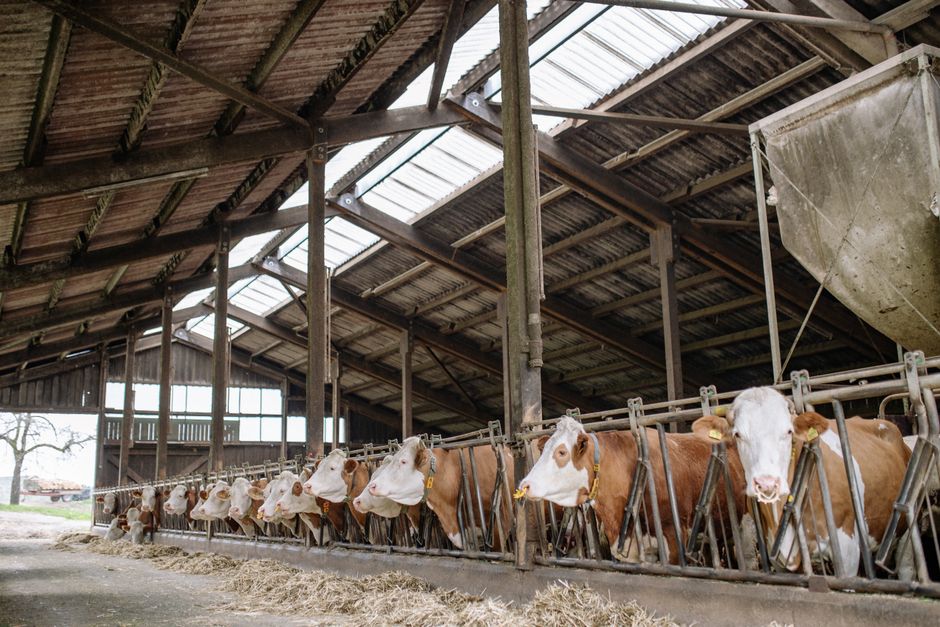
As the leaves begin to turn and temperatures cool across Christian County, local cattle producers know fall is a critical time to evaluate herd health and prepare for the months ahead. One of the most important fall management tasks is strategic deworming, particularly as summer pastures fade and cattle transition to winter feeding routines. At Countryside Veterinary Services, our veterinary team in Taylorville, IL works closely with area producers to implement evidence-based parasite control protocols tailored to local conditions. In this article, we will discuss why fall deworming is especially important for Taylorville-area herds, how to spot signs of parasite challenges, which products and timing work best, and how you can partner with our veterinary professionals for optimal results. Whether you operate a small cow-calf herd or a large commercial operation, understanding the principles of fall deworming can help safeguard both animal health and your bottom line.
Recognizing Parasite Problems in Your Herd
Parasites are a constant threat to cattle, but their impact often goes unnoticed until production losses accumulate. In the Taylorville region, late summer and early fall present unique challenges as cattle graze down pastures, potentially increasing exposure to infective parasite larvae. Signs that your herd may be facing a parasite burden include poor weight gain, rough coat appearance, diarrhea, bottle jaw (swelling under the jaw), and a general drop in body condition score. Young stock, such as weaned calves and replacement heifers, are especially vulnerable to internal parasites, which can set back growth and immune function at a critical stage. Additionally, mature cows may show subtle performance declines, such as reduced milk production or delayed cycling, that are easy to overlook but can impact overall herd profitability.
Noticing any of these clinical signs should prompt a closer look at your current deworming strategy. Our team of veterinarians recommends regular herd evaluations, including fecal egg counts when appropriate, to help determine the extent of parasite problems and the need for intervention. By catching these issues early, you can minimize losses and prevent chronic health challenges in your cattle.
Understanding Why Fall Deworming Matters
Fall deworming is more than a routine chore; it plays a strategic role in breaking the parasite lifecycle before winter sets in. In Central Illinois, the climate allows parasites to persist in pastures well into the fall, exposing cattle to infective larvae long after the peak of grazing season. As cattle are often gathered for weaning, pregnancy checks, or vaccination in September and October, this is a convenient and effective window to address internal parasites.
The primary goal of fall deworming is to reduce the adult parasite load in cattle before they move onto winter feeding areas or drylot. By treating at this time, you help ensure that overwintering cattle are healthier, better able to maintain body condition, and less likely to contaminate winter feeding grounds with parasite eggs. This approach is especially important for first-calf heifers, spring-born calves, and cows in marginal body condition, as these groups are at greatest risk of winter-associated setbacks related to unaddressed parasite burdens.
It is important to recognize that parasite populations and resistance patterns can vary from farm to farm. What works for one operation may not be ideal for another, making veterinary-guided protocols essential for sustainable parasite control.
Choosing Deworming Products and Protocols
Selecting the right deworming product is a key step in any fall parasite control program. The market offers several classes of anthelmintics, including injectable macrocyclic lactones (such as ivermectin), oral drenches, and pour-on formulations. Each product has its strengths and limitations, and resistance patterns are a growing concern in many Illinois herds.
Our veterinary professionals at Countryside Veterinary Services recommend basing product selection on a combination of herd history, fecal egg count reduction tests, and practical considerations like handling facilities and weather conditions. In some cases, rotating between anthelmintic classes or using combination treatments may be appropriate to address resistance and maximize efficacy. Timing is also crucial; treating after a hard frost can help ensure that parasite larvae remaining on pastures are less likely to survive, further reducing future burdens.
When planning your fall herd processing events, consider integrating parasite control with other routine services, such as pregnancy checking or preventive veterinary care. This allows for efficient use of labor and minimizes stress on your cattle.
Steps for Effective Fall Deworming on the Farm
An effective fall deworming strategy involves more than just administering the product. Key steps include grouping cattle for processing, ensuring accurate dosing based on current weights, and properly restraining animals to avoid injuries. It is also important to document which animals were treated, what product was used, and the date of administration. This recordkeeping supports future decision-making and helps track the effectiveness of your parasite control program year over year.
Producers should also pay attention to withdrawal times for meat and milk, as these vary by product and can have regulatory implications. Our farm call team is available to help you navigate these requirements and ensure compliance.
Between deworming events, practical management steps such as rotating pastures, minimizing overgrazing, and separating age groups can help reduce parasite transmission. These approaches, combined with regular consultations with your veterinary team, form the backbone of a sustainable parasite management plan.
When to Seek Veterinary Guidance
While many producers are comfortable administering dewormers themselves, professional input is invaluable for optimizing outcomes and avoiding common pitfalls like underdosing or inappropriate product use. Producers should seek veterinary guidance if they notice persistent clinical signs of parasite burden despite regular deworming, suspect resistance to commonly used products, or have questions about the best approach for youngstock, pregnant cows, or animals with underlying health issues.
If you are implementing new management practices, expanding your herd, or have not updated your parasite control program in several years, a visit from our veterinary team can help ensure your protocols are up to date. We encourage you to take advantage of our herd health services for farm and production animals, which include parasite management, vaccination, and comprehensive preventive care tailored to the needs of Taylorville area cattle producers.
Preventing Parasite Problems Year-Round
Sustainable parasite control does not end with a single fall deworming. Building resilience into your operation means adopting an integrated approach that combines targeted anthelmintic use with sound grazing management and nutrition. Regular monitoring of parasite levels through fecal testing can help you fine-tune your protocols and reduce unnecessary treatments, which in turn helps slow the development of resistance.
Our veterinary team recommends a holistic approach that encompasses year-round preventive care, sound nutrition, and close observation of herd health indicators. By working together, we can help you maintain healthy, productive cattle and minimize the impact of parasites on your operation.
Partnering with Countryside Veterinary Services for Fall Deworming Success
As fall approaches in Taylorville, IL, now is the time to review your deworming protocols and schedule a herd health evaluation. Our experienced veterinary professionals understand the unique challenges of cattle production in Central Illinois and are committed to helping you achieve your operational goals. Whether you need help selecting products, designing a customized protocol, or integrating parasite control with other fall herd management tasks, we are here to support your success.
If you are searching for a veterinarian near me who understands the realities of local cattle production, trust Countryside Veterinary Services to provide practical, science-based solutions for your herd. To schedule a fall herd health consultation or learn more about our herd health services for farm and production animals, call our veterinary team at (770) 788-7387 or visit our clinic at 201 South Water Street, Taylorville, IL 62568. We look forward to partnering with you for a healthier, more productive herd this season and beyond.
This article is intended for informational purposes only and does not replace professional veterinary advice. Always consult with your veterinarian before making changes to your herd health protocols.