Fall Hoof Care Tips for Taylorville Livestock
Fall Hoof Care Tips for Taylorville Livestock
Autumn in central Illinois brings cool temperatures and increased rainfall, creating muddy conditions that can challenge the hoof health of cattle, sheep, and goats. As a local producer, you know how quickly wet pastures and crowded lots can contribute to problems like thrush, foot rot, and lameness—conditions that threaten both animal comfort and herd productivity. At Countryside Veterinary Services, located at 201 South Water Street, Taylorville, IL 62568, our veterinary team has extensive experience supporting livestock operations throughout Taylorville and surrounding communities. This guide covers practical fall hoof care strategies, signs of trouble to watch for, and when to seek professional veterinary care to protect your herd’s mobility and performance.
Whether you manage a large beef herd, a small flock of sheep, or a diversified operation, staying ahead of hoof health issues in October can pay off all season long. In this article, we’ll help you recognize early warning signs, understand the causes behind common hoof conditions, discuss treatment options, and provide prevention tips you can put into practice today. We’ll also explain how our veterinary services for farm and production animals can support your herd’s wellbeing year-round.
Recognizing Hoof Problems in Livestock: What to Watch For
Healthy hooves are essential for grazing, growth, and overall productivity. Unfortunately, the damp, muddy conditions typical of an Illinois fall can quickly lead to trouble underfoot. Producers should be vigilant for early signs of hoof disease and lameness, since prompt attention prevents minor issues from becoming major setbacks.
Key symptoms of hoof problems in cattle, sheep, and goats include reluctance to walk or rise, favoring one leg, or shifting weight off a sore limb. You may notice animals standing or lying more than usual, trailing behind the herd, or showing visible swelling around the hoof or lower leg. In some cases, there will be a noticeable foul odor coming from the affected hoof, or you might spot redness, discharge, or visible cracks between the toes. For sheep and goats, look for animals that are kneeling to graze, lagging at the back of the flock, or showing signs of pain when handled.
Other warning signs are decreased feed intake, reduced weight gain, or a sudden drop in milk production, all of which can indicate chronic discomfort. Early detection is critical, as animals with mild lameness or slight hoof changes often respond best to simple interventions.
Why Fall Weather Creates Hoof Health Challenges
Understanding what causes hoof issues in Illinois livestock is key to effective prevention and management. The transition from dry summer pastures to cool, wet autumn conditions increases the risk of several hoof diseases.
One of the most common fall threats is foot rot—a highly contagious bacterial infection that thrives in muddy, manure-laden environments. Foot rot bacteria enter through small cracks or abrasions in the skin between the toes, causing swelling, pain, and tissue destruction. Wet bedding, overstocked pens, and poor drainage all contribute to the spread of foot rot in both cattle and small ruminants.
Thrush, another frequent problem, is caused by opportunistic bacteria and fungi that invade softened, dirty hooves. It often presents as a dark, foul-smelling discharge in the crevice of the hoof, particularly in sheep and goats but also in cattle kept on muddy ground. Prolonged exposure to moisture weakens hoof horn, making it easier for infections to take hold and for mechanical injuries to occur.
Additional risk factors include overgrown hooves, which trap debris and moisture; nutritional imbalances, which weaken hoof structure; and inadequate biosecurity, which can introduce infectious agents from new arrivals or contaminated equipment.
Professional Treatment and Management Options
When hoof disease or lameness is detected, prompt intervention by skilled veterinary professionals is vital. At Countryside Veterinary Services, our team is equipped to diagnose, treat, and help prevent a wide range of hoof issues in cattle, sheep, and goats.
Treatment approaches depend on the specific condition and its severity. In cases of foot rot, therapy typically involves thorough cleaning of the hoof to remove debris and necrotic tissue, followed by application of appropriate topical medications. For more advanced infections, systemic antibiotics prescribed by a veterinarian are often necessary to control the bacteria and promote healing. In flocks or herds with multiple affected animals, group treatments and adjustments to management practices may be recommended to limit further spread.
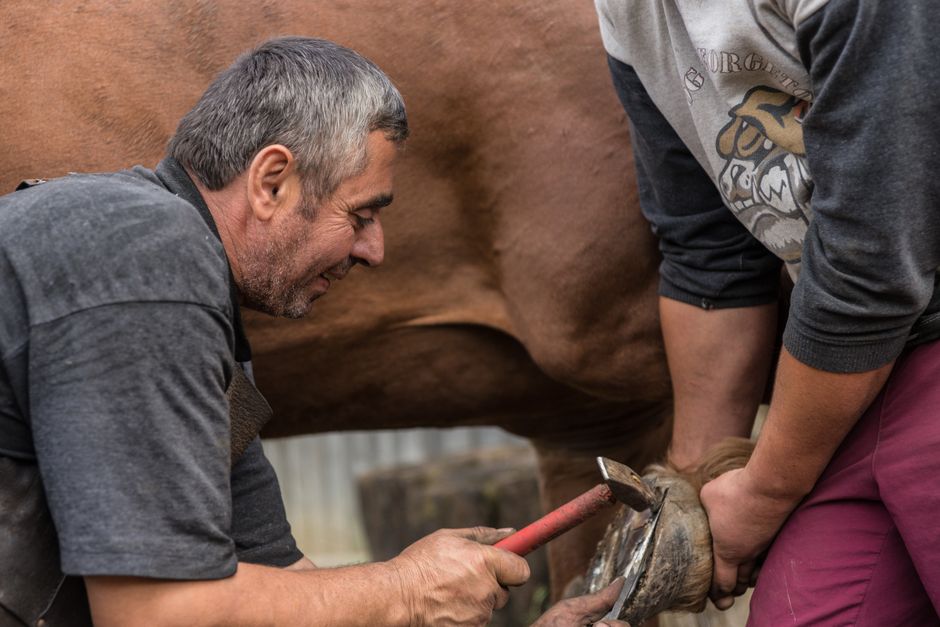
For thrush and other mild hoof infections, trimming away overgrown or diseased hoof material can improve drainage and allow topical treatments to reach the affected area. Our veterinary team can provide guidance on safe trimming techniques and recommend the most effective antiseptics or medicated footbaths for your operation.
In some cases, especially with advanced lameness or deep-seated infections, more intensive interventions such as hoof block application or removal of severely damaged tissue may be required. Animals that do not respond to initial therapy should be re-evaluated promptly, as chronic hoof disease can lead to permanent mobility issues or impact the entire herd’s health.
To learn more about the range of veterinary services for farm and production animals available at our Taylorville clinic, visit our services page or consult directly with our knowledgeable team.
Fall Hoof Care on the Farm: Prevention Strategies That Work
While no operation is immune to hoof problems, many cases can be prevented with proactive management and regular attention to herd conditions during the fall. Producers can reduce the risk of lameness and infection by implementing several key practices tailored to the realities of Illinois weather and livestock housing.
First, maintaining dry, clean bedding in barns, pens, and loafing areas is essential. Rotate animals between pastures if possible to avoid excessive mud build-up, and address drainage issues promptly in high-traffic zones. Installing gravel or other stabilizing materials around water troughs and gates can help minimize hoof exposure to persistent moisture.
Routine hoof trimming, typically performed once or twice a year depending on species and environment, prevents overgrowth that traps debris and encourages infection. Monitoring body condition and nutrition is also important; deficiencies in minerals like zinc or copper can weaken hoof structure, making problems more likely during wet months.
Footbaths containing approved disinfectants may be beneficial in larger herds or flocks, especially when animals are passing through handling facilities or returning from wet pastures. Always follow veterinary guidance when selecting and using footbath solutions to ensure effectiveness and animal safety.
Good biosecurity is another crucial component. Isolate new arrivals for a period before introducing them to the main herd, and disinfect equipment and footwear that moves between groups. If you show animals or participate in community events, keep a close eye on hooves upon return, as shared grounds can introduce new pathogens.
Seasonal vaccines, parasite control, and a comprehensive herd health program—supported by regular veterinary visits—round out a robust approach to hoof health. Our veterinary team can help design a preventive care plan tailored to the specific needs of your operation and livestock species.
When to Call Your Veterinarian About Hoof Issues
Knowing when to seek professional veterinary care can make all the difference in treating hoof problems and protecting herd productivity. Producers should contact our team if they notice persistent or severe lameness, swelling that does not resolve with basic care, or any signs of deep infection such as abscesses or severe tissue damage.
Animals that are non-weight bearing, show rapid deterioration, or fail to improve after initial home treatment need prompt evaluation to prevent permanent disability or economic loss. Outbreaks affecting multiple animals, or recurring hoof issues despite good management, also warrant a consultation with our experienced veterinary professionals.
During your visit to Countryside Veterinary Services, our team will provide a thorough examination, recommend diagnostic testing if needed, and develop a treatment plan suited to your operation’s goals. We are committed to providing practical, effective solutions that keep your herd or flock moving comfortably and efficiently, no matter the season.
Supporting Taylorville Producers with Year-Round Herd Health
Fall hoof care is just one part of a successful livestock management strategy in central Illinois. At Countryside Veterinary Services, we take pride in supporting our region’s producers with comprehensive, science-based care for cattle, sheep, goats, and other farm animals. Our approach combines preventive health programs, timely diagnosis, and practical advice tailored to the unique challenges of local agriculture.
Whether you have questions about hoof trimming schedules, need help managing a lameness outbreak, or want to review your fall herd health plan, our veterinary team is here to assist. To schedule an appointment or discuss specific concerns, contact us at (770) 788-7387 or visit us at 201 South Water Street, Taylorville, IL 62568.
If you are searching for a veterinarian near me with the expertise to address livestock hoof health challenges, trust our team to help you keep your animals healthy and your operation thriving. For additional information on our full range of services for cattle, sheep, goats, and other production animals, explore our farm and production animal veterinary services. Your herd’s mobility, comfort, and productivity are our top priorities this fall and every season.
This article is intended for educational purposes and should not replace individualized veterinary care. Always consult with a qualified veterinarian regarding specific hoof health concerns or before starting new treatments in your herd or flock.