Heat Safety Tips for Pets and Livestock in Taylorville
Heat Safety Tips for Pets and Livestock in Taylorville
As May brings warmer temperatures and rising humidity to Taylorville and the surrounding communities, both pet owners and producers face new challenges in protecting animals from heat-related risks. Whether you are caring for your family dog at home, managing a herd of cattle on pasture, or keeping horses comfortable in the barn, heat stress can quickly become a serious concern. At Countryside Veterinary Services, located at 201 South Water Street, Taylorville, IL 62568, our veterinary team is dedicated to helping owners and producers recognize the early signs of heat stress, understand why animals are vulnerable during hot spells, and take proactive steps to keep every animal healthy and safe. This guide will walk you through how to spot warning signs, explain the causes and risk factors, outline immediate care strategies, and offer practical prevention tips for both pets and livestock in the Taylorville region.
Our veterinarians at Countryside Veterinary Services provide preventative care services for pets and livestock, as well as comprehensive support for producers and animal owners when weather extremes threaten animal health. Read on for essential heat safety advice tailored for dogs, cats, cattle, horses, and more—plus clear guidance on when to seek professional help.
Recognizing Heat Stress: Warning Signs in Pets and Livestock
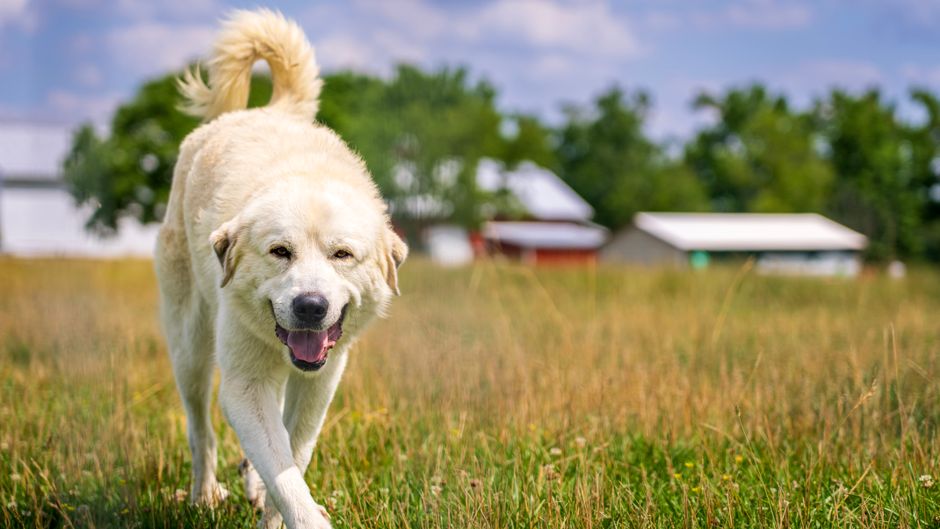
Knowing how to identify the early signs of heat-related illness is critical for prompt intervention. For pet owners, the most common warning signs of heatstroke in dogs and cats include rapid panting, excessive drooling, red or pale gums, weakness, vomiting, and, in severe cases, collapse or seizures. You might notice your dog struggling after even light exercise on a hot afternoon, or your indoor cat seeking out cool tile floors and appearing lethargic.
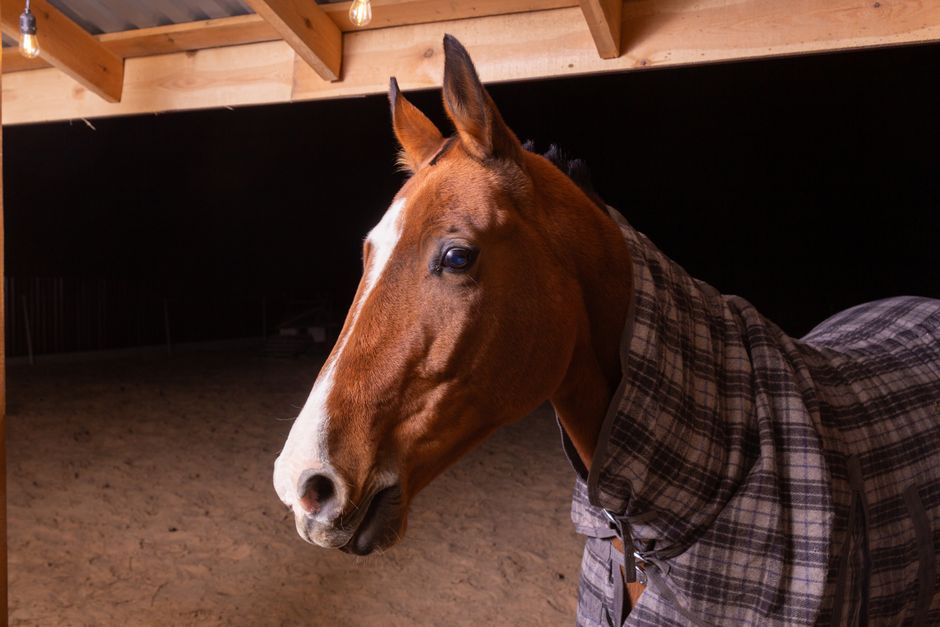
For producers managing cattle, sheep, or goats, heat stress signs often appear as increased respiration rate, open-mouth breathing, drooling, reduced feed intake, crowding around water sources, and reluctance to move. Cattle may bunch together under shade, and you might observe a drop in milk production or weight gain during hot spells. Horses experiencing heat stress can exhibit heavy sweating, rapid shallow breathing, muscle tremors, unsteady gait, and, in advanced cases, disorientation or collapse. During periods of high humidity, it is especially important for horse owners to monitor for subtle changes in attitude or performance that could signal early distress.
Whether you are at home with your pet or working in the barn or pasture, recognizing these symptoms quickly allows you to intervene before the condition becomes life-threatening.
Why Heat Stress Happens: Understanding Animal Vulnerability
Animals are susceptible to heat stress for several reasons, many of which are linked to their physiology and environment. Dogs and cats are less efficient at cooling themselves than humans, relying primarily on panting and only minimally on sweating through their paw pads. Breeds with short noses, such as Bulldogs or Persians, are at particular risk because their airway anatomy makes it harder to dissipate heat. Overweight pets, those with thick coats, and elderly animals are also more likely to experience heat-related issues during the summer months in Taylorville.
For livestock, the risk intensifies when high temperatures combine with humidity, as this dramatically reduces the effectiveness of natural cooling through respiration and limited sweating. Cattle, for example, generate substantial metabolic heat when digesting feed, so high-producing dairy cows or animals on high-energy rations are especially vulnerable. Dark-coated animals absorb more solar radiation, and crowded pastures or inadequate shade can quickly turn a hot day into a dangerous situation. Horses, particularly those worked in the heat or transported in unventilated trailers, can struggle to maintain normal body temperature, especially during peak summer activity or shows.
Regional weather patterns in central Illinois, such as sudden heatwaves or lingering humidity after rain, can catch owners and producers off guard. Planning ahead and being aware of these contributing factors can save lives.
Immediate Treatment and Professional Management
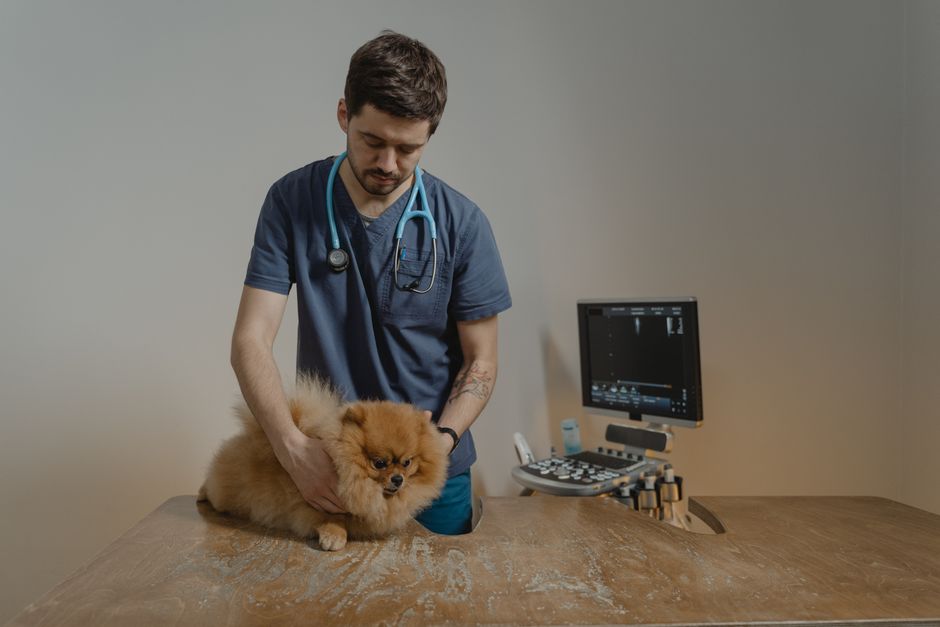
When you suspect heat stress in your pet or livestock, rapid action is crucial. For dogs and cats, move the animal to a cool, shaded area immediately. Offer fresh, cool water in small amounts, and use damp towels on the abdomen, paws, and groin to gradually lower body temperature. Avoid ice-cold water or rapid cooling, as this can worsen the condition. Contact your veterinarian right away, since heatstroke is a medical emergency that often requires intravenous fluids, oxygen therapy, and careful monitoring for secondary complications such as organ damage or clotting disorders.
If your herd or flock is affected, provide immediate access to shade and abundant fresh water. For cattle, use sprinklers or misters to aid cooling, and increase airflow with fans if animals are housed under roof or in confinement. Horses in distress should be brought into a shaded, well-ventilated area, offered water, and hosed with cool (not ice-cold) water, focusing on large muscle groups. Gently walking the horse can promote circulation and cooling, but if the animal is unsteady or unwilling to move, call your veterinarian without delay.
Our team at Countryside Veterinary Services provides emergency veterinary care during regular business hours for both companion animals and livestock. For after-hours situations, we recommend contacting specialized emergency facilities as appropriate for your species, such as Small Animals Emergency Clinic in Springfield for pets or 24/7 emergency veterinary care at University of Illinois for large animals.
Prevention: Keeping Animals Cool and Safe All Summer
Proactive measures are the best defense against heat-related illness. For pet owners, ensure your dog or cat always has access to fresh water and cool, shaded areas indoors and out. Walk dogs early in the morning or later in the evening to avoid peak heat, and never leave any animal in a parked car, even for a short period. Grooming long-haired pets to remove excess undercoat and providing cooling mats can further reduce risk.
Producers should evaluate pasture layout and rotate animals to areas with natural or constructed shade. Provide multiple water sources to prevent crowding, and check tanks frequently to ensure they are clean and full. Adjust feeding schedules so that the majority of feed is consumed during cooler parts of the day, and avoid working or transporting livestock during midday heat whenever possible. For horses, ensure barns and trailers are well-ventilated, turnout is scheduled for cooler hours, and body condition is monitored, especially for those in athletic work or breeding programs.
Regular veterinary checkups tailored to the season are a vital part of prevention. Our veterinarians can help you develop heat-stress mitigation plans, assess body condition, and recommend appropriate vaccinations or parasite control measures to keep both pets and livestock healthy through the summer. Learn more about our approach to preventative care services for pets and livestock.
When to Call for Veterinary Help
Recognizing when home care is not enough can make the difference between a full recovery and lasting complications. For pets, if you observe signs such as persistent vomiting, unresponsiveness, seizures, or difficulty breathing, immediate veterinary intervention is required. Even if your animal appears to recover, it is essential to schedule a prompt examination to check for hidden complications from heat exposure.
Producers should seek veterinary attention if a significant portion of the herd displays symptoms of heat stress, if animals are unable to rise, or if there is evidence of severe dehydration, unsteady gait, or abnormal behavior. Horses showing signs of colic, muscle tremors, or ataxia during hot weather require urgent evaluation, as heat-related illness can progress quickly in equine patients.
Our veterinary team in Taylorville is available to assess and treat heat stress during business hours. For emergencies outside regular hours, we recommend reaching out to the appropriate emergency service listed above.
Supporting Pets, Livestock, and Horses in the Taylorville Region
From backyard pets to working herds and stabled horses, every animal deserves attentive, knowledgeable care during hot Illinois summers. At Countryside Veterinary Services, we are committed to being your trusted partner for animal health, offering guidance to both pet owners and producers on preventing heat-related illness and responding effectively if it occurs. Our veterinarians understand the unique needs of each species and work with you to create practical, actionable plans for heat safety.
If you are searching for a veterinarian near me who understands the challenges of caring for pets, livestock, and horses in Taylorville's climate, our team at Countryside Veterinary Services is ready to help. To schedule an appointment, ask questions about your animal’s risk factors, or request a farm visit, call our veterinary professionals at (770) 788-7387 or stop by our clinic at 201 South Water Street, Taylorville, IL 62568.
For more information about our preventative care services for pets and livestock, or to learn about comprehensive services for farm and production animals and comprehensive equine veterinary services, visit our website or contact us directly. Your animals’ safety and well-being are our top priorities, and we are here to support you through every season.
Disclaimer: This article is intended for informational purposes only and does not replace professional veterinary advice. If you suspect heatstroke or heat stress in any animal, seek immediate veterinary care.