Holiday Hazards: Keeping Pets and Livestock Safe This December

Holiday Hazards: Keeping Pets and Livestock Safe This December
The holiday season in Taylorville and surrounding communities brings festive cheer, chilly weather, and a host of hidden hazards for both pets and livestock. As December arrives, it is natural for pet owners and farmers to want their animals to be safe and comfortable—especially when celebrations, decorations, and Illinois winter weather add extra risks. At Countryside Veterinary Services, located at 201 South Water Street, Taylorville, IL 62568, our veterinary team understands how important it is to protect your animals from seasonal threats. In this blog, we will explore common holiday pet safety concerns, tips for livestock winter care, and practical advice you can use to keep every member of your animal family out of harm’s way this December. Whether you are searching for a "vet near me" for urgent holiday questions or long-term preventive care, we are here to support you and your animals. For more information about our preventative programs for pets and farm animals, you can visit our preventative veterinary care services page.
Recognizing Holiday Hazards for Pets and Livestock
As the holidays approach, new risks emerge for both household pets and farm animals. Understanding what to watch for can make all the difference in preventing accidents or illnesses.
Signs Your Pet or Livestock Is in Trouble
For pets, signs of holiday-related issues include vomiting, diarrhea, lethargy, difficulty breathing, sudden changes in behavior, or limping after slipping on icy surfaces. Exposure to toxic holiday foods or decorations may cause drooling, disorientation, or seizures. For livestock, symptoms of winter stress or illness often involve shivering, decreased appetite, persistent coughing, nasal discharge, lameness, or changes in milk production in dairy animals. Horses may show signs of colic, while sheep and goats might become lethargic or isolate themselves from the herd.
When animals exhibit these signs, it is essential to act quickly and seek advice from a trusted veterinary team. Early intervention can often prevent more serious problems later in the season.
Why Do Holiday Hazards and Winter Risks Happen?
December’s unique blend of cold temperatures, indoor celebrations, and changes to daily routines creates a perfect storm for animal health risks.
Festive Foods and Decorations
During the holidays, foods like chocolate, raisins, grapes, onions, garlic, and rich meat trimmings are more likely to be left within reach of pets. These ingredients can cause severe gastrointestinal upset, organ damage, or even death in dogs and cats. Decorations such as tinsel, ribbon, ornaments, and string lights pose choking hazards and may cause intestinal blockages if ingested. Candles and scented oils present fire and toxicity risks for curious animals.
Cold Weather and Outdoor Exposure
Livestock and outdoor pets in Taylorville face additional winter challenges. Freezing temperatures, icy conditions, and wind chills can quickly lead to hypothermia or frostbite. Animals without adequate shelter, bedding, or access to unfrozen water are particularly vulnerable. Horses, cattle, sheep, and goats may require extra nutrition to maintain body heat, while muddy or icy footing increases the risk of slips and falls. Sudden weather changes can worsen respiratory conditions and stress levels, especially in young, elderly, or immunocompromised animals.
Increased Stress and Disrupted Routines
The hustle and bustle of the holidays introduces new visitors, loud noises, and changes in schedule. Pets may become anxious or attempt to escape when doors are left open. Livestock may experience stress from altered feeding times, transportation, or unfamiliar caretakers—all of which can weaken their immune systems and increase susceptibility to illness.
Veterinary Treatment and Management Options This December
If your pet or livestock experiences a holiday or winter emergency, timely, professional veterinary care is crucial. At Countryside Veterinary Services, our veterinarians are equipped to diagnose and treat a wide variety of seasonal issues for both small and large animals.
What to Expect at Your Veterinary Visit
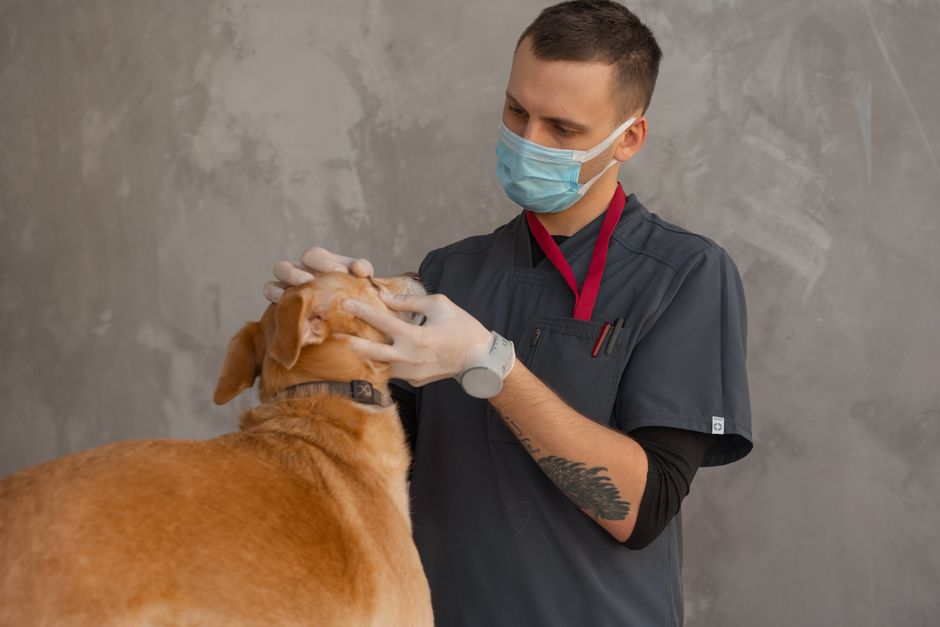
For pets that have ingested toxic foods or decorations, the veterinary team may recommend diagnostic tests, induce vomiting, administer activated charcoal, or provide intravenous fluids and medications to support organ function. Surgery may be needed if a foreign object causes a blockage or perforation. For animals showing signs of hypothermia or frostbite, treatment involves gradual rewarming, wound care, and supportive treatments to restore circulation and prevent secondary infections.
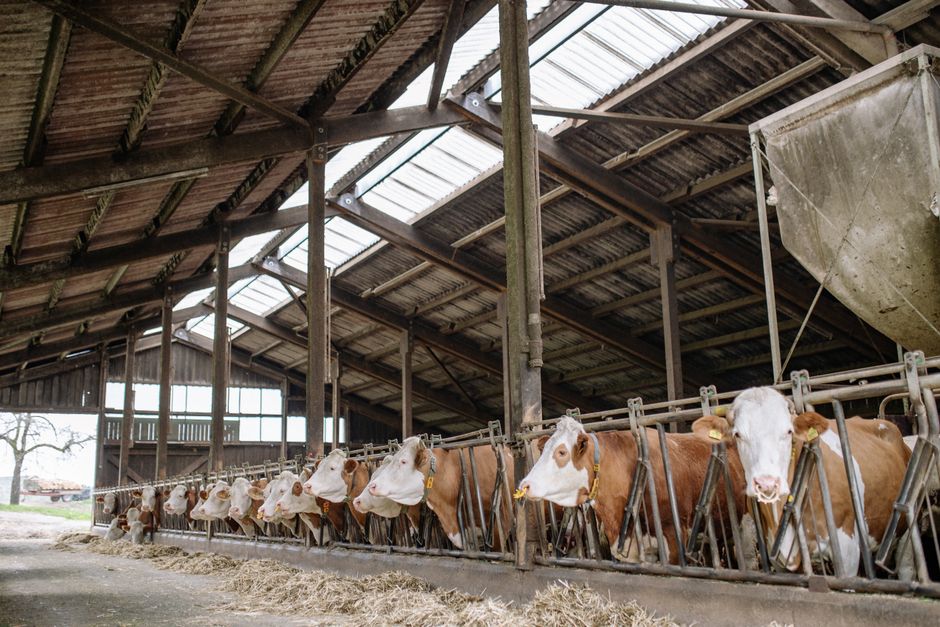
Livestock winter care in Taylorville often requires a tailored approach. Our veterinarians may evaluate the animal’s shelter, nutrition, and hydration status, provide deworming or vaccination updates, and offer recommendations for safe bedding and footing. When lameness, colic, or respiratory illnesses are suspected, diagnostic imaging, laboratory tests, or specialized procedures may be required. For more information on how we address farm animal health, visit our farm and production animal veterinary services page.
Comprehensive Support for Equine and Large Animals
Our team also provides comprehensive equine veterinary services for horses in Taylorville and the surrounding communities, ensuring your herd is protected from colic, laminitis, infectious diseases, and winter injuries. We offer emergency care during the day for both pets and livestock, with referral options available for after-hours emergencies or advanced cases.
Prevention and Home Care: Keeping Your Animals Safe All Season
Proactive steps can make your home, barn, and property safer for every animal this holiday season.
Tips for Holiday Pet Safety
Keep holiday foods well out of reach and remind guests not to feed table scraps to pets. Secure decorations, tinsel, and electrical cords so that curious animals cannot chew or swallow them. Supervise pets during gatherings, especially when doors are opening and closing frequently. Consider designating a quiet, comfortable space for your pet to retreat when festivities become overwhelming.
Essential Livestock Winter Care in Taylorville
Provide livestock with dry, draft-free shelter and plenty of bedding for insulation. Check water sources daily to ensure they are free of ice, using heated buckets or tank heaters as needed. Increase feed rations in extreme cold to help animals maintain body weight and energy. Walk pastures and paddocks to identify and remove icy patches or obstacles that could lead to slips and injuries. Monitor each animal’s condition throughout the winter; early intervention is often the key to success.
For both pets and livestock, maintaining routine veterinary wellness exams and vaccinations is a cornerstone of prevention. Our preventative veterinary care services are available year-round for animals in Taylorville and surrounding areas.
When to Contact a Veterinarian: Knowing the Right Time
Certain situations call for immediate veterinary attention to prevent serious complications or loss of life.
Emergency Red Flags for Pets and Livestock
For pets, urgent signs include persistent vomiting or diarrhea, difficulty breathing, seizures, collapse, or suspected ingestion of toxic substances or foreign objects. For livestock, rapid breathing, severe lameness, inability to stand, profuse diarrhea, visible wounds, or sudden changes in appetite require prompt evaluation. In cold weather, hypothermia signs like shivering, pale gums, and lethargy should never be ignored.
If you notice any of these symptoms, do not wait; contact your veterinarian as soon as possible. At Countryside Veterinary Services, we recommend scheduling an appointment by calling (770) 788-7387, so our veterinary professionals can provide guidance tailored to your animal’s specific situation. If you require more information about what constitutes a veterinary emergency, you can review our emergency veterinary care page.
Keeping Animals Safe in Taylorville: Our Commitment to Your Pet and Livestock Health
December brings both joy and unique challenges for pets and livestock in Taylorville. By understanding the risks of holiday foods, decorations, cold weather, and seasonal stress, you can prevent many common emergencies and ensure a safe, happy winter for your animals. Remember to keep up with regular wellness exams and vaccinations, maintain safe environments, and be vigilant for early warning signs of illness or injury.
If you are seeking a "vet near me" for holiday pet safety advice or livestock winter care in Taylorville, our team of veterinarians is ready to help. Schedule an appointment at Countryside Veterinary Services by calling (770) 788-7387 or visiting our practice location. Let us partner with you to keep your pets and livestock healthy throughout the festive season and beyond. For ongoing support and information about our preventative veterinary care services, we invite you to explore our website or reach out directly. Your animals deserve the best care, and we are proud to serve as your trusted resource for holiday pet safety and year-round wellness in Taylorville and the surrounding communities.
References:
- American Veterinary Medical Association: Holiday Pet Safety
- University of Illinois Extension: Winter Livestock Care
This blog is intended for informational purposes only and should not replace professional veterinary advice. If you have concerns about your pet or livestock’s health, always contact your veterinarian for individualized recommendations.