How Spring Weather Affects Your Pet’s Health in Taylorville

How Spring Weather Affects Your Pet’s Health in Taylorville
As the chill of winter gives way to the fresh breezes and warmer temperatures of spring in Taylorville, both pets and their owners look forward to spending more time outdoors. However, this seasonal shift also brings a unique set of health concerns for animals, from allergy flare-ups to the risks posed by parasites and unpredictable weather changes. At Countryside Veterinary Services, located at 201 South Water Street, Taylorville, IL 62568, our veterinary team is committed to helping you navigate these springtime challenges so your pets—whether dogs, cats, farm animals, or more exotic companions—can stay healthy and comfortable all season long. In this blog, we will explore the most common spring health issues affecting pets in Taylorville and surrounding communities, offer advice on prevention and home care, and share guidance on when it’s important to seek veterinary attention. If you are looking for a comprehensive pet exam or want to learn more about seasonal preventive care, you can find more details about our wellness examination services on our website.
Recognizing Springtime Health Issues in Your Pets
Spring’s arrival often means increased outdoor activity, but it can also introduce a variety of health risks for pets of all types. For dogs and cats, symptoms of spring-related issues can include excessive itching, sneezing, watery eyes, coughing, or digestive upset. Owners may also notice changes in behavior such as lethargy or reluctance to go outside, which can sometimes signal underlying discomfort from allergies or exposure to parasites.
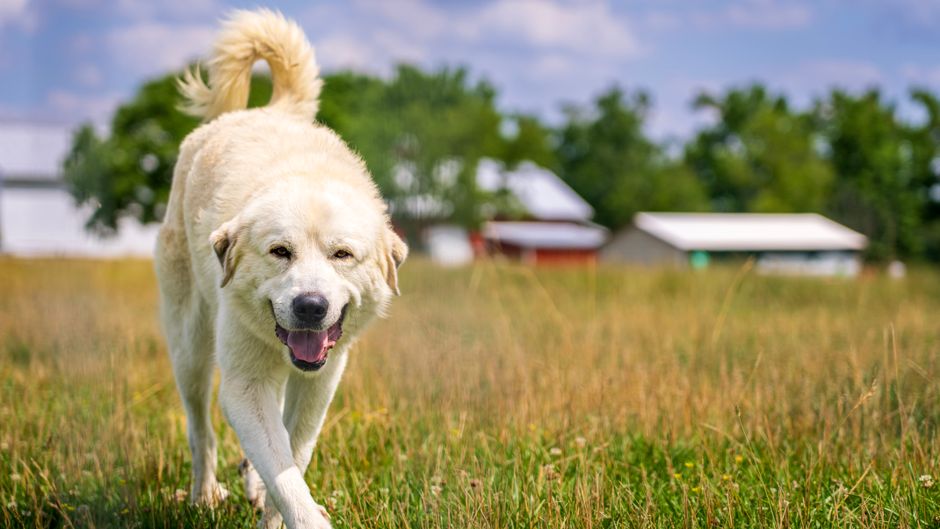
Farm animals, including horses, cattle, and goats, may display signs such as skin irritation, hair loss, or changes in appetite as a result of changing pastures or environmental allergens. Additionally, animals that have spent the winter indoors or with limited pasture access may be more prone to digestive disturbances when first reintroduced to lush spring grasses.
Exotic pets and smaller mammals, like rabbits and ferrets, can also be sensitive to changes in temperature and humidity, leading to respiratory symptoms or skin issues. Recognizing when your pet’s symptoms go beyond normal springtime adjustments is key; persistent scratching, open sores, coughing, or signs of pain should always prompt a closer look.
Why Spring Brings Health Challenges for Pets
The reasons behind these seasonal issues are multifaceted. As temperatures rise, trees, grasses, and flowers begin to release pollen, creating a spike in airborne allergens. Pets, much like people, can develop environmental allergies, which often manifest as skin irritation or respiratory symptoms. Additionally, the increased moisture and warmth create ideal conditions for fleas, ticks, and mosquitoes to thrive, raising the risk of parasite-borne diseases such as heartworm, Lyme disease, and flea allergy dermatitis.
For farm animals, rapid changes in diet—especially the transition from dry winter feed to fresh spring grass—can upset digestive balance, sometimes resulting in bloating, colic, or metabolic disorders. Horses, for example, are particularly vulnerable to laminitis when grazing on rich spring pasture.
Springtime also brings more variable weather patterns, with sudden rainstorms, high winds, or unexpected cold snaps. These fluctuations can stress animals, particularly those that spend significant time outdoors, and may exacerbate pre-existing conditions like arthritis in older pets.
Professional Treatment and Management: What to Expect from Your Veterinarian
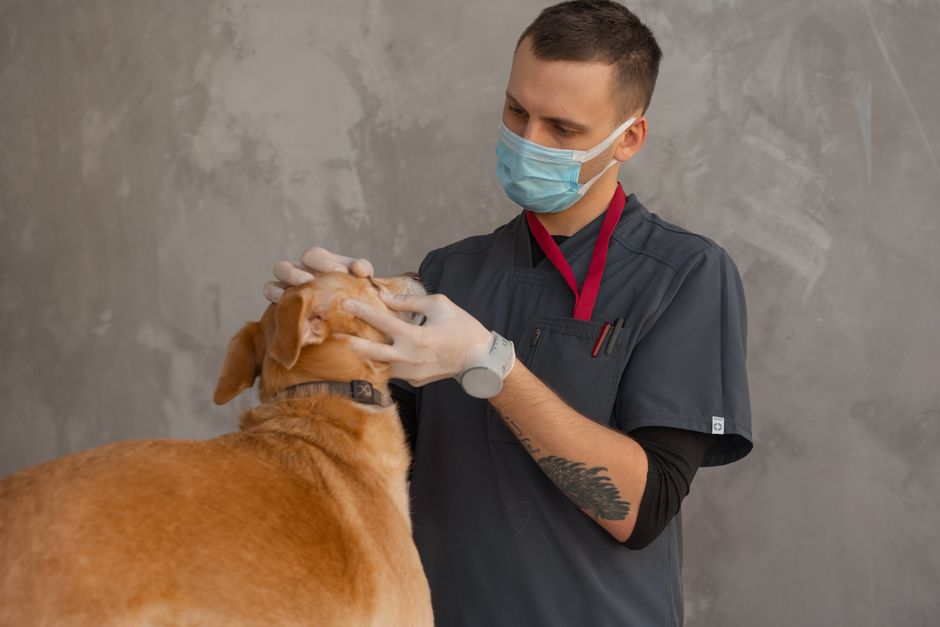
When spring health concerns are identified, your first step should be to reach out to your trusted veterinary professionals at Countryside Veterinary Services. Our team can provide a thorough examination to determine if your pet’s symptoms are related to allergies, parasites, dietary changes, or another underlying issue.
Treatment options for spring allergies in dogs and cats often involve a combination of antihistamines, medicated shampoos, or prescription medications to address itching and inflammation. In some cases, allergy testing may be recommended to pinpoint specific triggers. For pets with skin issues or recurrent ear infections, our dermatology services can help diagnose and manage chronic problems.
To protect against parasites, we recommend routine prevention including monthly flea, tick, and heartworm medications. Our veterinary team can advise you on the most appropriate products for your pet’s species, age, and health status, as well as provide guidance on proper administration. For farm animals, we offer deworming schedules and pasture management advice to help minimize parasite burdens.
If your pet is due for vaccinations or needs updated protection against seasonal diseases, our vaccination services are tailored to local risks, ensuring that your companion is protected as spring brings new exposures. For horses and livestock, spring is also an ideal time to schedule annual health checks, dental care, and booster shots.
Preventive Steps and Home Care for a Healthy Spring
Many springtime health problems can be avoided with proactive care. Regular grooming is essential, as it helps remove pollen, loose hair, and debris from your pet’s coat, reducing the risk of skin irritation and matting. After walks or outdoor play, especially in wooded or grassy areas, check your dog or cat thoroughly for ticks and other parasites. Prompt removal is key to preventing tick-borne illnesses.
For indoor pets, try to minimize exposure to open windows and doors when pollen counts are high. Using HEPA filters and wiping down paws after outdoor excursions can further reduce allergen exposure. Cleaning your pet’s bedding frequently and maintaining a tidy yard can limit flea populations as well.
Farm animal owners should transition livestock to fresh pasture gradually, allowing their digestive systems to acclimate to richer forage. Monitoring for any signs of digestive upset and providing access to clean water and salt blocks can help maintain overall health during the transition.
Exotic pets may require adjustments to temperature and humidity settings in their enclosures as spring arrives. Ensuring optimal living conditions can help prevent stress-related illnesses and support a strong immune system.
When to Seek Veterinary Care: Knowing the Signs
While many spring-related issues can be managed at home, there are clear warning signs that indicate a need for professional attention. Persistent scratching, hair loss, open wounds, or hot spots should be evaluated by a veterinarian, as these can lead to infections if left untreated. Coughing, labored breathing, or persistent sneezing may signal allergies but can also point to more serious respiratory diseases.
For dogs and cats, any sudden change in appetite, vomiting, diarrhea, or lethargy that lasts more than a day should prompt a call to your veterinarian. If you notice a tick attached to your pet and are concerned about removal, or if your pet is overdue for parasite prevention, reach out for guidance.
Farm animal owners should contact a veterinarian if they observe signs such as colic, sudden lameness, or swelling in horses and livestock, or if a group of animals displays illness simultaneously. Early intervention can prevent complications and reduce the risk of spread among the herd.
If you are ever uncertain whether your pet’s symptoms warrant a visit, our team at Countryside Veterinary Services is always available to provide advice and support. You can learn more about when to seek emergency veterinary care on our website.
Spring Health and Your Pet: Final Thoughts and Next Steps
Spring in Taylorville is a beautiful time to enjoy the outdoors with your pets, but it is important to be aware of the health risks that come with the season. By recognizing early warning signs, understanding common causes, and practicing preventive care, you can help your pets thrive as temperatures rise and days grow longer. If you have concerns about your pet’s health this spring or want to ensure they are up to date on vaccinations and parasite prevention, our veterinary team is ready to assist.
Scheduling a wellness examination is a proactive way to catch potential issues early and discuss seasonal care tailored to your pet’s unique needs. When searching for a veterinarian near me, remember that Countryside Veterinary Services is committed to providing compassionate, high-quality care for all your animal companions in Taylorville and surrounding communities.
To schedule an appointment or speak with one of our veterinarians, call (770) 788-7387 or visit us at 201 South Water Street, Taylorville, IL 62568. For more information on our comprehensive preventative care services or to explore additional resources, visit our website at taylorvillevet.com. Let us help you keep your pets healthy, happy, and comfortable this spring and beyond.
If you have concerns about new or worsening symptoms in your pet, always consult with a veterinarian. This blog is intended for informational purposes only and does not replace professional veterinary advice.