How to Keep Your Pet Active Indoors This Winter

How to Keep Your Pet Active Indoors This Winter
As winter settles into Taylorville and the temperatures drop, many pet owners find it challenging to keep their furry, feathered, and even scaled companions active and engaged. Short, cold days often mean less time outside, which can lead to boredom, pent-up energy, and even health issues for pets of all shapes and sizes. At Countryside Veterinary Services, located right here at 201 South Water Street, Taylorville, IL 62568, our veterinary team understands the unique challenges local families face during the winter months. In this blog, we will explore how to recognize when your pet may be getting less activity, why indoor enrichment matters during the colder seasons, creative ways to keep both small and large animals moving indoors, and how professional veterinary guidance can support your pet’s year-round wellness.
Whether you share your home with a playful dog, a clever cat, an adventurous rabbit, or even livestock and exotic pets, our goal is to help you keep your animal companions healthy, happy, and mentally stimulated until spring arrives. We will also explain when it is time to consult our veterinarians for extra help, and how our preventative care and wellness examination services at Countryside Veterinary Services can support your pet’s long-term wellbeing.
Recognizing When Your Pet Needs More Indoor Activity
Winter can cause subtle changes in your pet’s behavior and energy levels. Recognizing when your pet is not getting enough activity indoors is the first step in ensuring their physical and mental health. For dogs, key signs of insufficient exercise include restlessness, frequent barking, destructive chewing, attention-seeking behaviors, or even weight gain. Cats may become lethargic, overgroom themselves, or act out with mischief, such as knocking over objects or scratching furniture more than usual.
Small mammals like rabbits, ferrets, and guinea pigs also show signs of boredom and inactivity. These might include repetitive cage behaviors, decreased appetite, or a lack of interest in their usual toys. Livestock and farm animals may pace, vocalize more, or show signs of stress when confined due to winter weather.
If you notice that your pet seems less enthusiastic, is gaining weight, or appears anxious, it may be a signal that they need additional indoor enrichment. Remember, changes in behavior can sometimes indicate underlying health issues, so it is always wise to keep a close eye and reach out to your veterinary professionals at Countryside Veterinary Services if you have concerns.
Why Indoor Activity Matters During Taylorville Winters
The colder months in Taylorville and surrounding communities bring unique challenges that can affect pets’ health. Reduced daylight, icy conditions, and chilly winds often make outdoor adventures less appealing or even unsafe. For pets that rely on regular walks, pasture time, or outdoor play, this seasonal change can lead to decreased mobility and increased risk of weight gain.
Beyond the physical aspect, mental stimulation is just as important. When pets are cooped up indoors, boredom can lead to problem behaviors, anxiety, and even depression. Pets of all sizes and species need outlets for their energy and curiosity, especially when winter weather limits their usual routines.
Indoor activity is also vital for maintaining healthy joints and muscles, supporting immune function, and managing stress. For older animals or those with chronic conditions such as arthritis, gentle indoor movement can help keep them comfortable and mobile. Our veterinarians often see a rise in weight-related issues and behavioral concerns in the colder months, highlighting just how crucial it is to find ways to keep pets moving and engaged indoors.
Creative Ways to Keep Pets Active and Engaged Indoors
Staying active indoors does not have to be a chore; with a little creativity, you can turn your home into a playground for your pets. For dogs, indoor fetch using soft toys, hallway races, or practicing obedience commands can help burn off extra energy. Puzzle feeders and treat-dispensing toys are excellent for both dogs and cats, as they encourage problem-solving and movement.
Cats love to climb and explore vertical spaces, so setting up cat trees, shelves, or window perches can provide hours of entertainment. Laser pointers, feather wands, and interactive toys are great for getting cats to leap and chase, even in a small living room.
Small mammals like rabbits and ferrets also thrive on new experiences. Tunnels, cardboard boxes, and safe chew toys can keep them engaged. Rotating toys and rearranging their play area adds a sense of novelty that fights boredom. If you have pocket pets, our dedicated Pocket Pets Wellness Care and Pocket Pets Sick Care services can help ensure your small companions are staying healthy throughout the winter.
For livestock such as goats, sheep, or horses kept indoors or in barns, enrichment can involve offering new objects to explore, safe climbing structures, or slow-feed hay nets to mimic natural grazing.
No matter the species, always supervise play to ensure safety, especially if you create homemade toys or games. Adjust the level of physical activity to your pet’s age, breed, and any underlying health conditions. Our veterinary team is happy to offer personalized recommendations during your next wellness examination.
Preventive Care and Home Wellness Strategies
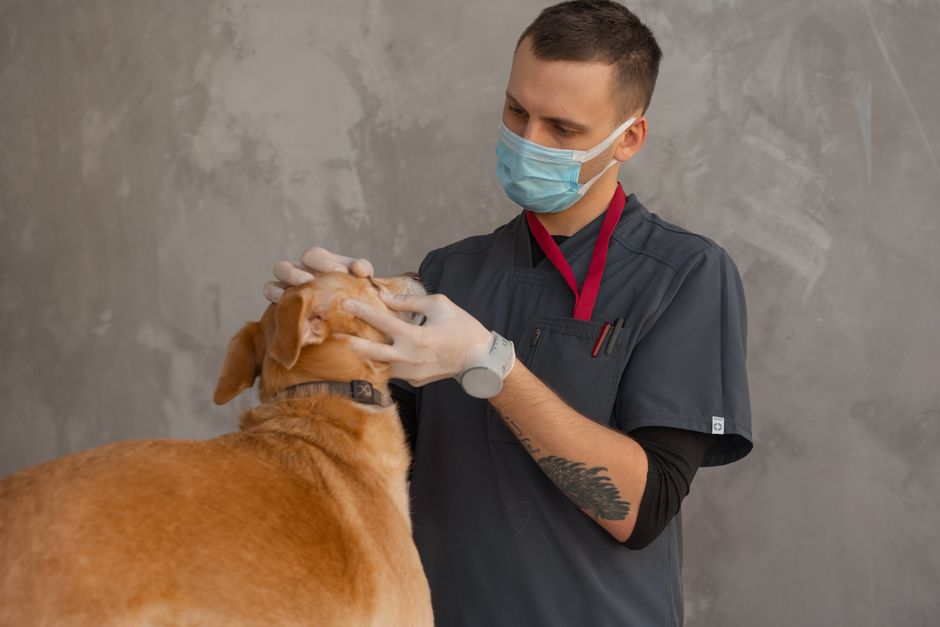
Supporting your pet’s health through the winter is about more than just exercise. Routine preventive care, including regular check-ups, vaccinations, and parasite control, lays the foundation for lifelong wellness. Scheduling a comprehensive pet exam with our veterinarians can help catch any early signs of weight gain, arthritis, or behavioral changes that may be linked to reduced activity.
At home, create a daily routine that includes interactive playtime, mental challenges, and safe spaces for your pet to rest and recharge. For dogs and cats, manage calories by adjusting mealtime portions if activity levels decrease. Introduce new toys or rotate existing ones to keep things interesting. For small mammals, keep enclosures clean, provide fresh bedding, and offer a variety of safe items to chew and explore.
Remember, winter air can be dry, so ensure your pet has access to fresh water at all times. For exotic pets or reptiles, monitor temperature and humidity carefully to prevent health issues linked to indoor heating.
Our preventative care services at Countryside Veterinary Services are designed to support your pet’s unique needs through every season. If you are interested in affordable, routine preventive options, ask about our wellness plans to help manage your pet’s care year-round.
When to Seek Veterinary Care for Activity or Behavior Changes
While most winter activity changes are normal and manageable at home, there are times when professional veterinary care is necessary. Warning signs that require prompt attention include sudden lethargy, unexplained weight loss or gain, persistent limping, difficulty breathing, or changes in appetite or elimination habits. Behavioral changes such as increased aggression, withdrawal, or obsessive behaviors may also indicate underlying medical issues rather than simple boredom.
If your pet shows any of these symptoms, or if you are unsure about the best way to keep them active and healthy indoors, reach out to our veterinary professionals. Our team is equipped to diagnose and treat common winter health issues, from orthopedic concerns to behavioral challenges. If your pet has a chronic condition or mobility limitations, we can recommend safe, tailored activities and pain management strategies.
For pets that are part of our community’s rich variety of species, including rabbits, ferrets, and other exotics, we offer specialized care such as Rabbit Wellness Care, Ferrets Wellness Care, and more. Never hesitate to schedule an appointment for a thorough evaluation if you are worried about your pet’s health or behavior during the winter.
Conclusion: Supporting Year-Round Wellness at Countryside Veterinary Services
Keeping your pet active and engaged indoors during Taylorville’s winter months is essential for both their physical and emotional wellbeing. From creative indoor games to regular veterinary check-ups, every effort you make supports your pet’s happiness and health until warmer days return. Remember, our veterinarians at Countryside Veterinary Services are here to help you every step of the way, offering guidance, preventive care, and treatment options tailored to your pet’s unique needs.
If you are looking for a trusted "vet near me" to support your pet’s health this winter, we invite you to schedule an appointment with our compassionate veterinary team. Whether your concern is a bored puppy, a restless rabbit, or a livestock companion in need of enrichment, we are committed to helping pets in Taylorville and surrounding communities thrive all year long. To learn more about our wellness programs, preventive services, or to book your next visit, call us at (770) 788-7387 or stop by our clinic at 201 South Water Street, Taylorville, IL 62568. For detailed information about keeping your pet healthy this winter or to explore our preventative care and wellness examination services, visit our website at taylorvillevet.com. Your pet’s winter wellness is our top priority, and we look forward to partnering with you for a happy, healthy season ahead.