How to Prevent Pet Dental Problems in Winter

How to Prevent Pet Dental Problems in Winter
As the chill of winter settles over Taylorville and the surrounding communities, pet owners often focus on keeping their animals warm and comfortable. However, many do not realize that the cold, damp conditions of February can also present unique challenges for pet dental health. At Countryside Veterinary Services, located at 201 South Water Street, Taylorville, IL 62568, our veterinary team is committed to helping you protect your pet’s smile all year long. This blog will explore why winter increases dental risks for dogs, cats, and even farm animals, highlight the signs of trouble, and offer practical prevention tips you can follow at home. We will also discuss how professional dental services in Taylorville can keep your pets healthy, comfortable, and pain-free through every season.
Whether you are a seasoned pet parent or new to animal care, understanding winter-related dental hazards is vital. You will learn how cold weather affects oral health, what symptoms to watch for, and when it’s time to schedule a dental checkup or cleaning. Our goal is to give you the tools and knowledge you need to keep your pet’s teeth and gums in top shape, no matter how frosty it gets outside. If you are concerned about your pet’s dental health this winter, or if you would like to know more about our professional pet dental cleaning services, keep reading for expert tips and advice.
Recognizing Dental Problems in Pets During Winter
Winter can make it harder for pet owners to notice subtle changes in their animal’s health, including dental concerns. Dogs, cats, and even horses or goats may hide discomfort or show only vague symptoms. Being attentive to your pet’s behavior during the colder months is important for early intervention.
Signs of dental trouble often include bad breath that persists despite regular feeding routines, visible buildup of yellow or brown tartar along the gumline, and red or swollen gums. Some pets may paw at their mouths, drop food while eating, or chew only on one side. Reluctance to eat hard kibble, sudden changes in appetite, and unexplained weight loss are also warning signals. In more advanced cases, you might notice drooling, bleeding from the mouth, loose or missing teeth, or swelling beneath the eye or jaw.
In farm animals, dental issues can present as difficulty grasping or chewing hay, dropping feed, and decreased weight gain. Horses may toss their heads or resist the bit, while goats and sheep sometimes show excessive salivation or cud-chewing difficulties. Although these signs may be subtle, they often point to underlying dental discomfort that needs professional attention.
The cold weather itself can make pets more sensitive to oral pain. Just as humans experience tooth sensitivity with temperature changes, pets may avoid cold water or seem extra fussy during winter meals. Paying close attention to these changes can help you identify dental issues before they become emergencies.
Why Winter Increases Dental Risks for Pets
There are several reasons why dental problems can worsen or become more noticeable during the winter months in Taylorville. First, the drop in temperature can cause pets to drink less water, which in turn reduces the natural rinsing action that helps keep teeth clean. Less water intake leads to drier mouths, making it easier for bacteria and plaque to accumulate along the teeth and gums.
Additionally, many pets become less active in winter, spending more time indoors and being less likely to chew on natural abrasives like grass, sticks, or hay. When pets are confined due to snow or cold, their diets may also shift to softer foods, which tend to stick to teeth and contribute to plaque buildup. For farm animals, frozen pastures and limited grazing options can reduce opportunities for natural dental wear.
The holidays and colder months often bring an increase in treats and table scraps, which, while tasty, can be high in sugars or starches that promote dental decay. In some cases, pet owners may delay or skip routine veterinary visits or grooming appointments due to weather, allowing minor dental issues to go undetected and worsen over time.
Winter’s dampness and fluctuating temperatures can also exacerbate existing dental conditions, including gum infections, abscesses, and tooth root pain. Cold weather may intensify sensitivity, making pets more likely to avoid eating or grooming, further contributing to oral health decline.
Professional Dental Care Options for Pets in Taylorville
At Countryside Veterinary Services, our veterinarians provide a comprehensive range of dental care solutions to address and prevent winter-related dental problems in both small and large animals. The first step in preventing serious dental disease is a thorough wellness examination, which allows us to assess your pet’s overall health and check for early signs of oral trouble.
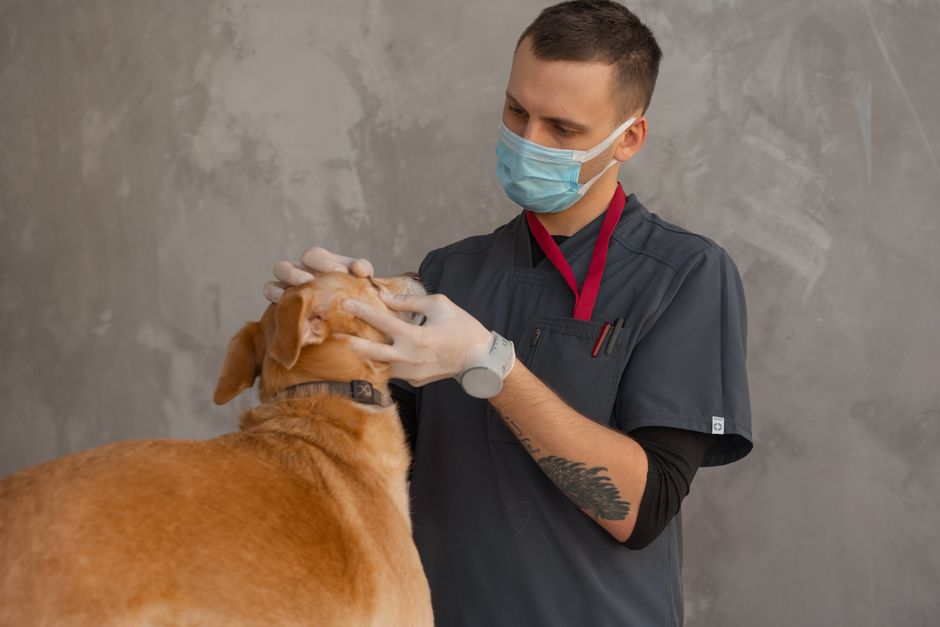
Routine pet dental cleanings are one of the most effective ways to remove plaque and tartar that brushing at home cannot reach. During a professional cleaning, your pet is placed under safe anesthesia, allowing our veterinary professionals to clean above and below the gumline, examine each tooth, and take digital dental radiographs if needed. This process helps detect hidden problems and prevents the progression of periodontal disease.
If your pet has a broken or infected tooth, painful abscess, or gum overgrowth, our team can provide advanced pet oral surgery and tooth extraction services. These procedures are performed with your pet’s comfort and safety as our top priorities, and we will discuss all available treatment options with you before proceeding.
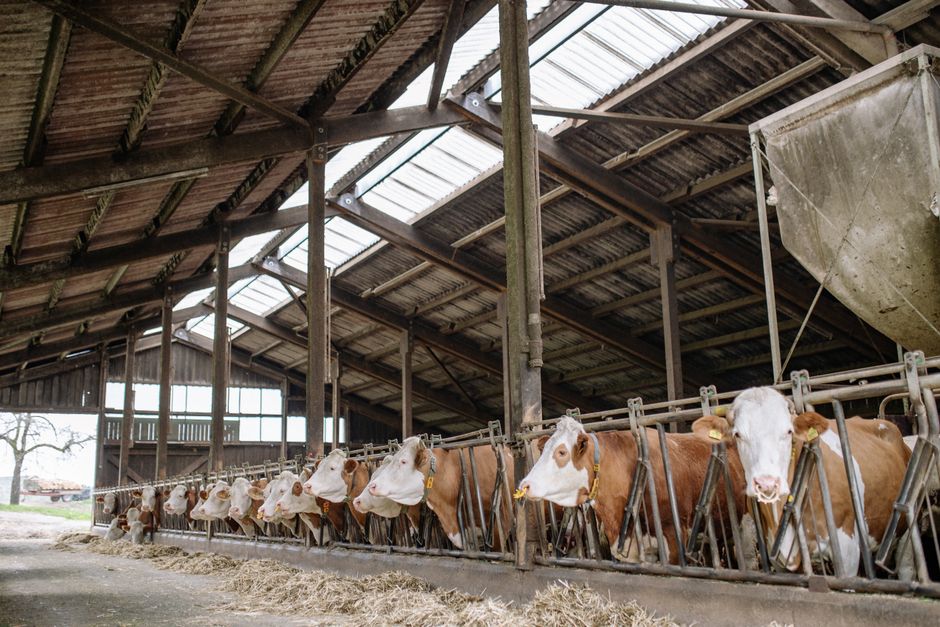
For farm animals, our veterinarians can examine teeth during routine herd health visits or annual wellness checks. We are experienced in floating (filing) horse teeth, addressing sharp points or hooks, and managing dental issues in goats, sheep, and other livestock. Early intervention helps ensure your animals remain healthy and productive throughout the winter and beyond.
In addition to dental-specific treatments, our preventative care services include regular checkups, vaccinations, and nutrition counseling to support your pet’s overall wellbeing year-round.
Winter Dental Health Tips: Home Care for Dogs, Cats, and Farm Animals
While professional veterinary care is essential, there are many steps you can take at home to support your pet’s dental health during the winter. One of the most important actions is maintaining a consistent oral hygiene routine, even when the weather is cold.
Brushing your pet’s teeth daily or several times a week with a veterinarian-approved toothpaste helps remove plaque and prevent tartar buildup. If your pet resists brushing, dental wipes, rinses, or special dental chews can provide some benefit. Always choose products designed for pets, and avoid human toothpaste, which can be toxic to animals.
Providing appropriate chew toys or dental treats encourages natural chewing and helps clean teeth. For dogs and cats, look for items that are safe, durable, and sized appropriately. For horses and livestock, ensure access to quality hay and, when possible, allow natural grazing to promote proper tooth wear.
Monitor your pet’s water intake during the winter, as dehydration increases the risk of dental disease. Use heated water bowls for outdoor animals to prevent freezing and encourage drinking. Keep feeding areas clean and dry to reduce bacteria buildup.
Limit high-sugar treats and table scraps, especially around the holidays. Sudden changes in diet or excessive treats can upset your pet’s digestive system and contribute to dental problems. Stick to a balanced, veterinarian-recommended diet that supports oral health.
Pay attention to any changes in your pet’s eating habits, breath, or behavior. Early recognition of symptoms allows you to seek help before minor issues become serious.
When to Schedule a Veterinary Dental Visit
Knowing when to seek professional dental care is essential for preventing pain and complications in your pets. If you notice persistent bad breath, swollen or bleeding gums, loose teeth, or reluctance to eat, it is time to contact your veterinarian for an evaluation. Other signs that require prompt attention include drooling, visible mouth sores, sudden changes in weight, or any swelling near the mouth or jaw.
Regular dental checkups are recommended at least once a year for most pets, but older animals or those with a history of dental problems may need more frequent visits. Farm animals should also have their teeth checked during annual herd health appointments or whenever feeding problems arise.
If you are unsure whether your pet needs a dental exam, our veterinary professionals are happy to discuss your concerns and recommend the best course of action. Remember that timely intervention can prevent pain, tooth loss, and systemic health problems caused by untreated dental disease.
You can learn more about our comprehensive wellness examination services or contact us directly for guidance tailored to your animal’s unique needs.
Keeping Your Pet’s Smile Bright All Winter Long
Winter in Taylorville brings its share of cozy moments, but it also presents special challenges for pet dental health. By staying alert to early warning signs, understanding the impact of cold weather, and practicing good home care, you can help protect your pet’s teeth and gums through even the frostiest months. Professional dental cleanings and regular veterinary checkups are the foundation of a healthy mouth, and our veterinarians are here to support you every step of the way.
If you are searching for a trusted “vet near me” to help with pet dental care this winter, look no further than Countryside Veterinary Services. Our veterinary team welcomes you to schedule an appointment for a dental cleaning, oral examination, or preventative consultation. We are committed to providing gentle, thorough care that keeps your pet happy, comfortable, and healthy year-round.
To book your pet’s dental checkup or learn more about our services, call us at (770) 788-7387 or visit us at 201 South Water Street, Taylorville, IL 62568. You can also explore our pet dental cleaning services for additional details on how we can help your pet maintain excellent oral health this winter and beyond.
For more information on pet dental health and seasonal care tips, the American Veterinary Dental College provides helpful resources. Always consult your veterinarian for advice tailored to your specific animal, as this blog is intended for educational purposes and should not replace professional medical guidance.