How to Prevent Winter Joint Pain in Pets

How to Prevent Winter Joint Pain in Pets
As winter’s chill settles into Taylorville, many pet owners begin to notice their dogs and cats moving a little more slowly, hesitating before jumping onto the couch, or having difficulty getting up after a nap. At Countryside Veterinary Services, located at 201 South Water Street, Taylorville, IL 62568, our veterinary team often hears concerns about pets showing signs of joint pain or stiffness during the colder months. Understanding how winter weather can affect your pet’s joints is the first step in helping them stay comfortable and active all season long. In this blog, we’ll discuss why cold, damp weather can worsen joint pain, how to recognize early signs of discomfort in your pets, and what practical steps you can take to prevent and manage winter joint pain. We’ll also share guidance on when it’s time to schedule an appointment with our veterinarians for a closer look at your pet’s joint health. If you’re searching for advice on winter pet joint care or need veterinary support in Taylorville, our team is always here to help you keep your pets moving with ease.
Recognizing Winter Joint Pain in Dogs and Cats
Many pet owners may not realize that subtle changes in their pet’s behavior during winter could point to joint discomfort. Dogs and cats are experts at hiding pain, so it’s important to pay close attention to their daily routines. Key symptoms of joint pain during the colder months include stiffness when getting up from rest, reluctance to climb stairs, hesitance to jump onto furniture, and decreased interest in play or walks. Some pets may also limp, especially after spending time outside in chilly weather, or show changes in their posture and gait. Additional indicators can be muscle loss in the legs, licking or chewing at joints, and even mild irritability when touched in sensitive areas. If your pet seems to tire easily or prefers to sleep more than usual, these can also be warning signs of joint discomfort. Early recognition is crucial, as addressing pain promptly can prevent further joint damage and help your pet maintain a good quality of life.
Why Cold Weather Contributes to Joint Pain
You might wonder why pets seem more affected by joint pain when winter arrives in Taylorville. The reasons are both environmental and physiological. Cold temperatures cause muscles and connective tissues to tighten, which can make movement more difficult and uncomfortable for pets already dealing with arthritis or previous injuries. Damp weather and low barometric pressure can also increase inflammation and joint stiffness, making symptoms more pronounced. During winter, pets tend to be less active, leading to muscle loss and reduced flexibility; this further exacerbates joint pain since strong muscles are essential for supporting healthy joints. Additionally, older pets and certain breeds are more susceptible to cold-related joint issues. For example, large breed dogs and cats with pre-existing orthopedic conditions may feel the effects of winter weather more keenly. Understanding these factors can help you make informed decisions about your pet’s care and comfort during the colder months.
Veterinary Treatments and Professional Management Options
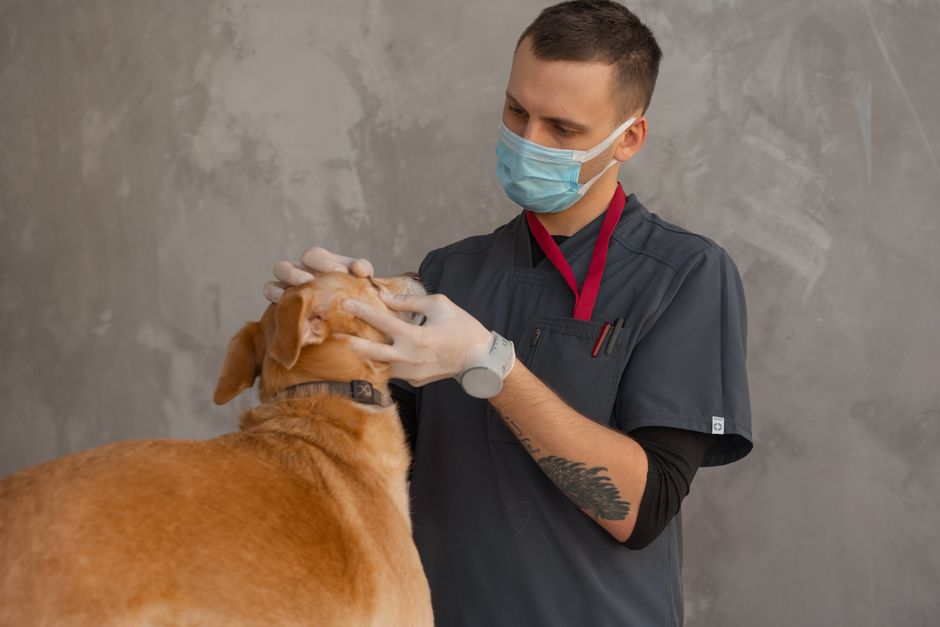
When joint pain starts to affect your pet’s daily life, professional evaluation is essential. The veterinary professionals at Countryside Veterinary Services offer a range of diagnostic tools and treatment options tailored to your pet’s specific needs. During a wellness examination, our veterinarians will assess your pet’s mobility, joint range of motion, and overall health. Advanced diagnostics such as digital radiology and ultrasound may be recommended to pinpoint areas of concern. For pets with moderate to severe joint pain, treatment approaches can involve anti-inflammatory medications, joint supplements, and physical therapy. In some cases, more advanced orthopedic interventions such as Orthopedic Surgery services for pets or Fractures & Dislocations Surgery for pets are necessary, particularly if there is a history of injury or degenerative joint disease. Our team also provides pain management advice and can discuss the benefits of treatments like laser therapy. Throughout the process, our focus remains on improving your pet’s mobility, reducing discomfort, and supporting their long-term health.
Practical Steps to Prevent and Ease Winter Joint Pain at Home
While professional care is important, there are many steps you can take at home to help your dog or cat feel their best during winter. First, ensure your pet remains as active as their condition allows. Gentle indoor play sessions, short walks, and interactive toys can keep muscles strong and joints flexible. Maintain a healthy weight for your pet, as excess pounds put additional strain on joints and can worsen arthritis. Provide a warm, comfortable sleeping area away from drafts; orthopedic pet beds offer extra support and cushioning for sore joints. If your pet goes outside, consider using pet-safe booties and keeping outings short to minimize exposure to cold, damp ground. Regular grooming and nail trimming can also prevent slips and falls that might aggravate joint pain. Discuss with your veterinarian the use of joint supplements containing glucosamine and chondroitin, which may help support cartilage health. Consistent preventive care, including preventative care services for pets and routine wellness checks, ensures that any emerging joint issues are caught early and managed effectively.
When to Schedule a Veterinary Visit for Joint Pain
Knowing when to seek professional help is vital for your pet’s joint health. You should schedule an appointment at Countryside Veterinary Services if your pet shows persistent lameness, has difficulty standing or walking, or seems to be in pain despite your home care efforts. Sudden changes in mobility, swelling or heat in the joints, and vocalizing when moving are additional signs that warrant a veterinary evaluation. If your pet has a history of orthopedic problems, regular follow-ups with our veterinary team can help adjust their care plan as needed. Chronic joint pain can sometimes signal underlying conditions such as hip dysplasia or ligament injuries, which may require further intervention. Our veterinarians are here to provide personalized recommendations and advanced diagnostics to ensure your pet receives the best possible care. If you ever notice your pet’s symptoms worsening rapidly or interfering with their ability to eat, drink, or use the bathroom, please call our clinic for immediate guidance.
Supporting Your Pet’s Comfort Through Every Season
Winter joint pain can be challenging, but with the right combination of at-home care and professional support, your dog or cat can continue to enjoy an active, happy life. The veterinary professionals at Countryside Veterinary Services are dedicated to helping pets and their families in Taylorville and surrounding communities. If you notice any signs of discomfort or simply want to be proactive about your pet’s joint health, we invite you to schedule a comprehensive wellness examination or discuss our full range of Orthopedics services for pets. For those searching for a veterinarian near me, our clinic is proud to provide trusted, compassionate care right in your neighborhood.
To schedule an appointment or speak with our veterinary team, call (770) 788-7387 or visit us at 201 South Water Street, Taylorville, IL 62568. Together, we can ensure your pet stays comfortable, mobile, and joyful even during Taylorville’s coldest months. For more tips on winter joint care or to learn how our services can help, explore our website or reach out for a personalized consultation.
This article is intended for informational purposes only and does not replace professional veterinary care. Always consult with your veterinarian regarding concerns about your pet’s health or before starting any new treatment or supplement. For urgent or emergency situations, contact your veterinarian immediately or visit the nearest emergency clinic.