How to Protect Pets From Cold Weather Hazards in Taylorville

How to Protect Pets From Cold Weather Hazards in Taylorville
When February chills settle over Taylorville, IL, pet owners often find themselves worrying about how to keep their animals safe and healthy. Whether you have a playful puppy, a senior cat, or a herd of horses, winter weather can bring a unique set of hazards. At Countryside Veterinary Services, located at 201 South Water Street, Taylorville, IL 62568, our veterinary team is dedicated to helping you protect your beloved pets from frostbite, dehydration, and other cold weather risks. In this blog, you’ll discover practical winter safety tips for both small and large animals, guidance on recognizing signs of cold-related health issues, and insight into how our veterinary professionals can support your pets through the harshest months. If you’re looking for reliable preventive care, emergency support, or advice tailored to local conditions, Countryside Veterinary Services is here for Taylorville and surrounding communities.
Recognizing Cold Weather Hazards for Pets
Key Signs Your Pet May Be Struggling in the Cold
As temperatures drop, it’s important to watch for signs that your pet is not coping well with the cold. For dogs and cats, symptoms of cold stress include shivering, lethargy, whining, and reluctance to go outside. You might notice your pet curling up tightly or seeking out warm spots in your home. For outdoor animals such as horses, goats, or livestock, look for huddling, decreased appetite, or signs of frostbite on extremities like ears, tails, or hooves. Additionally, pocket pets and exotics, who are especially sensitive to temperature fluctuations, may become less active or eat less when their environment gets too cold. If you see these behaviors, your pet may be at risk for cold-related illness or injury.
Why Some Pets Are More Vulnerable
Certain pets are especially vulnerable to cold weather. Very young or senior animals, those with chronic illnesses, and short-haired breeds tend to lose body heat more quickly. Thin animals or those with underlying health conditions may also have trouble maintaining their normal temperature. Outdoor pets, working animals, and livestock face additional challenges, as exposure to wind, moisture, and freezing temperatures can quickly overwhelm their natural defenses. Recognizing these vulnerabilities early helps you take steps to keep your pet safe before problems arise.
Understanding Cold Weather Risks for Taylorville Pets
Common Winter Hazards in Central Illinois
Taylorville’s winters are known for biting winds, sleet, and occasionally heavy snow, all of which can pose risks to animals. Frostbite and hypothermia are two of the most serious concerns. Frostbite typically affects body parts with less insulation, such as ears, tails, and paws. Hypothermia develops when a pet’s core temperature drops dangerously low, which can occur rapidly in freezing conditions. Dehydration is another hidden hazard; many pets drink less in cold weather, and water sources can freeze, leaving animals without access to hydration. For large animals and livestock, icy footing increases the risk of injuries, and lack of shelter can make it hard to escape the elements. Even indoor pets are not immune; drafts, low humidity, and space heaters can cause discomfort or unintended injuries.
How Cold Is Too Cold?
While every pet’s tolerance varies, a general rule is that if it’s too cold for you, it’s too cold for your pet. For most dogs and cats, temperatures below freezing (32°F/0°C) can become hazardous, especially if there is wind, rain, or snow. Large animals may tolerate lower temperatures but still require proper shelter, dry bedding, and windbreaks. Exotic pets and small mammals often need consistent, warm indoor environments to prevent stress or illness. Monitoring both indoor and outdoor conditions helps prevent unexpected cold weather emergencies.
How Countryside Veterinary Services Treats Cold-Related Issues
Professional Diagnosis and Treatment
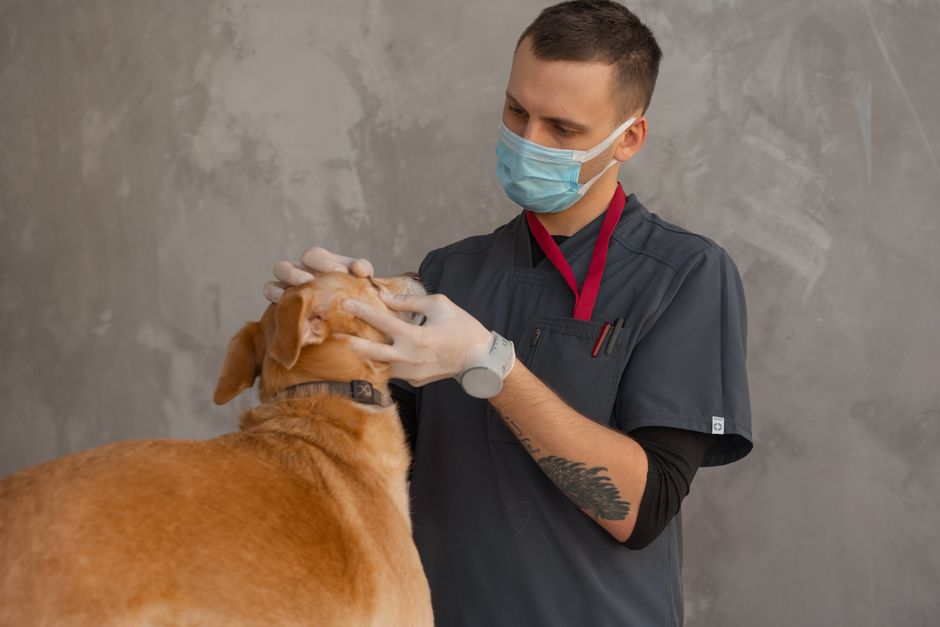
If your pet is showing signs of frostbite, hypothermia, or other cold-weather injuries, our veterinary team at Countryside Veterinary Services is well-equipped to help. Diagnosis typically begins with a thorough physical examination and may include checking your pet’s temperature, hydration levels, and the condition of their skin and extremities. For severe cases, our veterinarians can provide advanced treatments such as intravenous fluids, warming therapies, pain management, and wound care. Small animals and exotics receive gentle handling and customized care plans to address their unique needs. For large animals or farm pets, our team is experienced in managing cold weather injuries and can offer both on-site and in-clinic support as appropriate.
Emergency and Preventive Services
Countryside Veterinary Services offers daytime emergency care for both sudden injuries and ongoing cold-related conditions. If you notice symptoms such as persistent shivering, pale or blue-tinged skin, or loss of coordination, immediate attention is crucial. Our emergency veterinary care is designed to respond quickly and effectively in urgent situations. In addition to treatment, we emphasize preventive services including wellness exams and seasonal check-ups. These visits allow our veterinarians to assess your pet’s cold weather readiness, recommend vaccinations, and tailor advice to your animal’s lifestyle.
Prevention: Protecting Your Pets at Home and on the Farm
Keeping Dogs and Cats Comfortable
To shield your pets from winter’s chill, create a warm, draft-free indoor environment with cozy bedding away from doors and windows. For walks, choose the warmest part of the day and consider protective clothing for short-haired breeds or those sensitive to cold. Wipe your pet’s paws after outdoor activities, as salt, ice, and chemical de-icers can cause irritation. Ensure fresh, unfrozen water is always available, and increase food portions slightly if your pet spends more time outdoors, as they burn more calories staying warm. Monitor indoor humidity to avoid dry skin or respiratory discomfort, especially for aging pets.
Safeguarding Large Animals and Livestock
Large animals need sturdy, windproof shelters with plenty of dry bedding to insulate against the cold. Regularly check water sources to prevent freezing, and provide high-quality forage to maintain energy levels. Hoof care is essential, since ice and snow increase the risk of slips or cracks. For horses and farm animals, schedule regular health checks to detect any early signs of cold-related stress or nutritional imbalances. If you have concerns about your livestock’s winter care, our veterinary team can offer personalized recommendations.
Special Care for Pocket Pets and Exotics
Small mammals, birds, and reptiles are particularly sensitive to temperature changes. Keep their enclosures away from drafts and direct heat sources, and use thermostatically controlled heating pads or lamps as needed. Maintain consistent temperatures and humidity levels, and watch for warning signs like decreased activity or appetite. For exotic or pocket pets, wellness care provides an important opportunity to review their environmental needs and address any concerns early.
When to Seek Veterinary Care for Cold Weather Problems
Warning Signs That Need Immediate Attention
If your pet is experiencing severe shivering, weakness, confusion, or difficulty breathing, it could signal hypothermia or more serious conditions. Other urgent symptoms include pale, hard, or blistered skin, which may indicate frostbite, as well as limping, unexplained pain, or wounds that don’t heal. For large animals, monitor for reluctance to move, changes in eating or drinking, or unusual behavior during cold snaps. In any of these situations, time is critical; prompt veterinary attention can make all the difference in recovery.
How Our Team Supports Your Pet
At Countryside Veterinary Services, our veterinarians are committed to providing timely, compassionate care when your pet needs it most. If you’re unsure whether your pet’s symptoms require professional evaluation, we encourage you to call our clinic at (770) 788-7387 for guidance. In cases of after-hours emergencies, we also recommend contacting local emergency clinics to ensure your pet receives continuous care. Your vigilance, combined with our expertise, is the best defense against winter hazards.
Winter Pet Safety: Take Action Today for Peace of Mind
Winter in Taylorville brings beauty and excitement, but also serious risks for pets of all sizes. By staying alert to signs of cold stress, providing proper shelter and nutrition, and scheduling regular veterinary checkups, you can help your animals thrive through the chilliest months. Remember that every pet is unique, and tailored advice from your local veterinary professionals makes a big difference. Our team at Countryside Veterinary Services is proud to serve Taylorville and surrounding communities with comprehensive care, from preventive health services to emergency support. If you have questions about winter pet safety, want to book a wellness examination, or need advice for a specific concern, contact us at (770) 788-7387 or visit our clinic at 201 South Water Street, Taylorville, IL 62568. For those searching for a trusted "vet near me," our veterinary team is here to keep your pets happy, healthy, and safe all winter long.
This blog is intended for informational purposes only and does not replace professional veterinary advice. If you have concerns about your pet’s health, please consult with your veterinarian or contact Countryside Veterinary Services for guidance.