How to Spot Hypothermia Symptoms in Dogs, Cats, and Livestock
How to Spot Hypothermia Symptoms in Dogs, Cats, and Livestock
When winter chills set in across Taylorville and the surrounding communities, pet owners face unique challenges in protecting their animals from cold-related health risks. Hypothermia is a serious and sometimes life-threatening condition that can affect dogs, cats, and livestock of all ages. At Countryside Veterinary Services, located at 201 South Water Street, Taylorville, IL 62568, our veterinary team is committed to helping you recognize the early warning signs, understand the causes, and know exactly what to do if you suspect your pet or farm animal is in danger.
In this blog, we will guide you through the key hypothermia symptoms in animals, explain why this condition is especially relevant in our local climate, and provide practical steps for prevention and care. Whether you have pets curled up indoors or livestock braving the elements, knowing how to spot trouble early can make all the difference. If you ever need emergency care for pets or livestock, our team is here to provide prompt diagnosis and treatment. For those seeking reliable veterinary services near me or comprehensive animal care in Taylorville, Countryside Veterinary Services is your trusted local resource.
If you are looking for additional information on how we support farm animals in cold weather, our veterinary care for farm and production animals page offers further insights.
Recognizing Hypothermia Symptoms in Animals
Hypothermia occurs when an animal’s body temperature drops below the normal range due to prolonged exposure to cold temperatures. In Taylorville’s winter months, this risk can increase for both companion animals and livestock, especially during cold snaps, wet conditions, or when shelter is inadequate. Early recognition of hypothermia symptoms in animals is crucial for successful outcomes.
For dogs and cats, warning signs of hypothermia may include shivering that progresses to weakness, lethargy, or even collapse. You might notice your pet’s body feels cold to the touch, especially at the extremities such as ears, paws, and tail. As hypothermia advances, animals may become disoriented, have pale or bluish gums, and display shallow or labored breathing. In severe cases, muscle stiffness, slowed heart rate, or unconsciousness can develop.
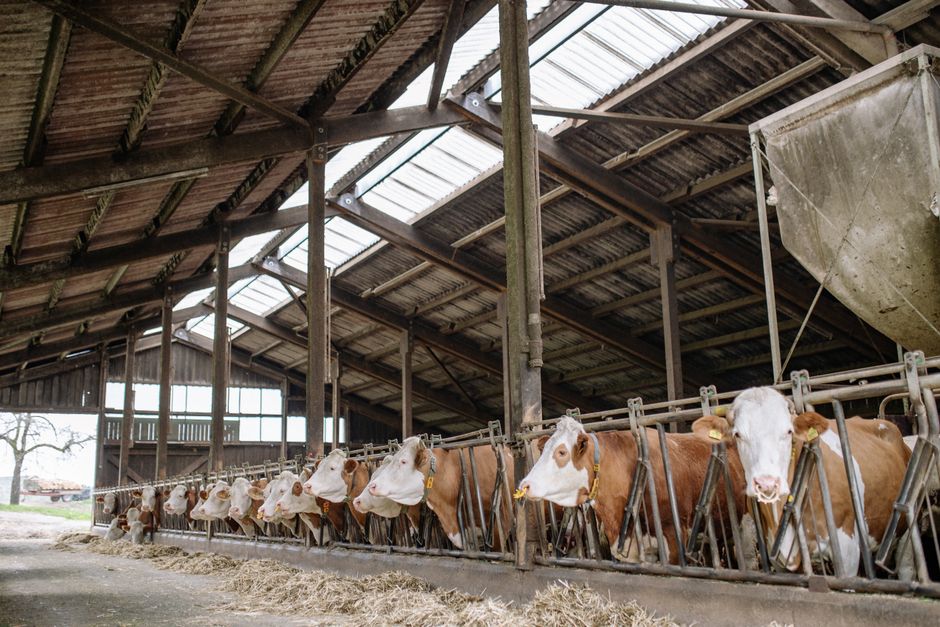
Livestock, such as cattle, sheep, goats, and horses, may also show early signs like persistent shivering, hunched posture, and reluctance to move. As their body temperature continues to drop, they may appear dull, unresponsive, or struggle to stand. Frostbite can occur on exposed areas like ears or teats, and in extreme cases, animals can lose coordination or go down altogether.
Recognizing these symptoms quickly is vital for animal owners in Taylorville and surrounding rural areas. If you notice any of these signs, immediate intervention is necessary to prevent potentially irreversible harm.
What Causes Hypothermia in Pets and Livestock?
Understanding why hypothermia develops can help you protect animals during harsh Illinois winters. The primary cause is exposure to cold temperatures for extended periods, but several risk factors can increase vulnerability. Small and short-haired dogs, kittens, puppies, elderly pets, and animals with chronic illnesses are more likely to develop hypothermia. Wet conditions, wind chill, and lack of adequate shelter or bedding further elevate the risk.
For livestock, newborns and animals in poor body condition are especially susceptible. Insufficient windbreaks, wet or muddy ground, and overcrowded shelters can rapidly sap body heat. Sudden drops in temperature after mild spells often catch animal owners off-guard, leaving animals unprepared for the cold.
In some cases, underlying medical conditions such as thyroid disorders, trauma, or poor nutrition can compromise an animal’s ability to maintain body temperature. For horses and cattle, factors like recent shearing, illness, or inadequate winter feed can also contribute to hypothermia.
Being aware of these causes provides a foundation for both prevention and rapid response in Taylorville’s ever-changing climate. Our preventative care services can help you identify risk factors early and keep your animals healthy year-round.
Treatment and Emergency Care for Pets with Hypothermia
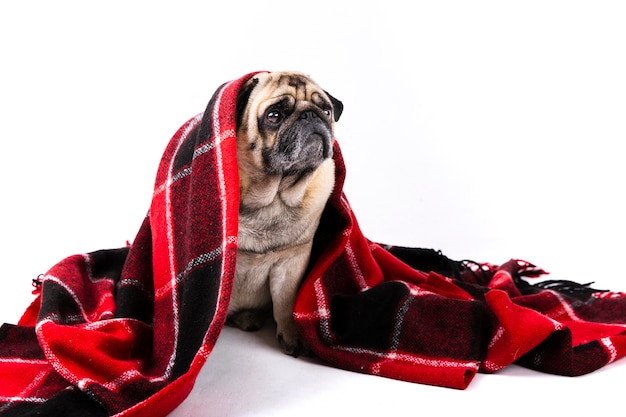
If you suspect hypothermia in your dog, cat, or livestock, prompt action is essential. The first step involves moving the affected animal to a warm, dry environment as soon as possible. For household pets, wrapping them in warm blankets and using body heat for gentle warming can help. For livestock, providing a draft-free shelter and dry bedding is crucial.
Professional veterinary care is required for moderate to severe hypothermia or if your pet does not quickly begin to improve. Treatment approaches at Countryside Veterinary Services may involve gradual rewarming methods, intravenous fluids, oxygen therapy, and monitoring for complications such as frostbite or shock. Our veterinary professionals are equipped to handle cases ranging from mild shivering to severe hypothermia that threatens organ function.
For livestock, our veterinary team can assess overall health, administer warmed fluids, and provide nutritional support to aid recovery. We may also inspect for secondary issues like pneumonia or frostbite, which can develop after hypothermia. If you are searching for emergency care for pets in Taylorville or require urgent intervention for farm animals, do not hesitate to call us for immediate guidance. Early treatment significantly improves the likelihood of full recovery.
Preventing Hypothermia: Home Care Tips for Taylorville Pet and Livestock Owners
Prevention is always preferable to treatment when it comes to hypothermia. Pet owners in Taylorville can take several practical steps to safeguard their animals against the cold. For dogs and cats, limiting time outdoors during extreme weather, providing warm bedding, and ensuring they have access to a draft-free shelter are critical. Short-haired or elderly pets may benefit from cozy sweaters or coats when venturing outside.
Regular health checks and up-to-date vaccinations also help reduce risks, as healthy animals are better able to regulate their body temperature. Checking paws for ice buildup or signs of frostbite after walks and keeping pets dry during rainy or snowy conditions are additional preventive measures.
Livestock owners should focus on providing windbreaks, dry bedding, and shelter that accommodates all animals comfortably. Ensuring access to fresh, unfrozen water and high-quality feed supports body warmth during winter months. Monitoring vulnerable animals, such as newborns or those with medical conditions, is essential during cold snaps.
If you have questions about optimizing your animal’s environment or nutrition, our preventative care services are designed to help you implement effective strategies for all species.
When to Seek Veterinary Care for Hypothermia
Knowing when to seek professional help can make the difference between life and death in hypothermia cases. If your pet stops shivering, becomes weak or unresponsive, has pale or blue gums, or shows labored breathing, immediate veterinary attention is vital. For livestock, inability to rise, unresponsiveness, or signs of frostbite require urgent care.
Taylorville’s winters can change quickly; even brief exposures to extreme cold can lead to emergencies. If you are ever unsure about your pet’s condition, it is always safest to consult with our veterinary team. Scheduling an appointment at Countryside Veterinary Services ensures your animal receives a thorough assessment and appropriate care. If you require ongoing support for farm animals, our veterinary care for farm and production animals page details the services we provide to keep herds and flocks safe all year long.
Remember, timely intervention is the best way to protect your animals from the dangers of hypothermia in Taylorville.
Compassionate Care and Support from Countryside Veterinary Services
Caring for your dogs, cats, and livestock during Taylorville’s colder months requires vigilance, knowledge, and a trusted partner in animal health. By learning to recognize hypothermia symptoms in animals and taking proactive steps, you can help your pets and farm animals thrive even in challenging weather. Our veterinary team is here to provide emergency care for pets, offer guidance on prevention, and deliver compassionate support whenever you need it.
If you notice signs of hypothermia or have concerns about your animal’s well-being, we encourage you to schedule an appointment with Countryside Veterinary Services. You can reach us at (770) 788-7387 or visit our clinic at 201 South Water Street, Taylorville, IL 62568. For those searching for a vet near me who understands the unique needs of animals in our community, our team is ready to help.
To learn more about how we support animal owners during the winter and year-round, explore our preventative care services. At Countryside Veterinary Services, your animal’s health and comfort are always our highest priorities.
This blog is intended for informational purposes only and should not be considered a substitute for professional veterinary advice. If you suspect hypothermia or another emergency, contact a veterinarian immediately for guidance and treatment.