July Parasite Prevention Tips for Taylorville Pets and Livestock
July Parasite Prevention Tips for Taylorville Pets and Livestock
As July brings warmer temperatures and higher humidity to Taylorville and surrounding communities, the risk of parasites increases for both household pets and farm livestock. Whether you are caring for your family dog, managing a herd of cattle, or looking after a backyard flock, understanding how to protect animals from fleas, ticks, worms, and other pests is essential for maintaining their health through the summer. At Countryside Veterinary Services, located at 201 South Water Street, Taylorville, IL 62568, our veterinary team is committed to helping pet owners and producers recognize, prevent, and treat parasite problems. In this blog, we will explore the most common parasites threatening local animals in July, discuss signs to watch for, outline prevention strategies, and explain how our comprehensive veterinary services can support your animals’ health all season long.
Recognizing Parasite Issues in Pets, Herds, and Flocks
Parasite problems can look different depending on whether you are caring for dogs and cats, livestock such as cattle and sheep, or horses and backyard poultry. For pet owners, key symptoms of parasite infestation include frequent scratching, hair loss, visible fleas or ticks, scooting, diarrhea, or a bloated abdomen. Cats may hide or show changes in grooming patterns, while dogs often develop irritated skin.
For producers, warning signs of parasitism in livestock can include poor weight gain, rough hair coats, pale mucous membranes, coughing, bottle jaw (swelling under the jaw), diarrhea, or reduced milk production. Horses may show signs such as dull coats, colic symptoms, weight loss, tail rubbing, or visible bots in manure. Poultry owners might notice decreased egg production, weight loss, or pale combs. Recognizing these signs early is crucial, as unchecked parasite burdens can quickly impact animal welfare and, in the case of herds and flocks, overall productivity.
Why July Brings Increased Parasite Risk in Taylorville
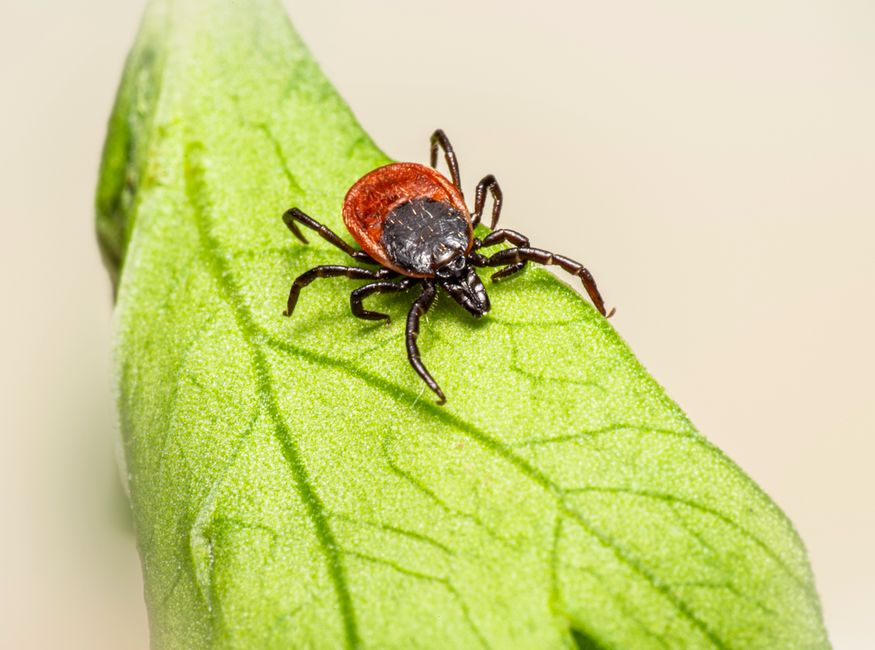
The combination of heat and moisture in July creates ideal breeding conditions for many parasites. Fleas and ticks thrive in tall grass and shaded areas, making both backyards and pastures prime habitats. Mosquitoes, which can transmit heartworm and other diseases, become more common as rainfall increases standing water. Internal parasites such as roundworms, hookworms, whipworms, and coccidia also multiply rapidly in warm, damp environments, contaminating soil, water sources, and feed.
For livestock operations, grazing animals are at higher risk during the summer due to increased exposure to contaminated pastures. Dewormer resistance in some parasite populations means that strategic planning is more important than ever. Pets who spend time outdoors, visit parks, or interact with other animals are also more likely to pick up external or internal parasites during this season.
Professional Treatment Options at Countryside Veterinary Services
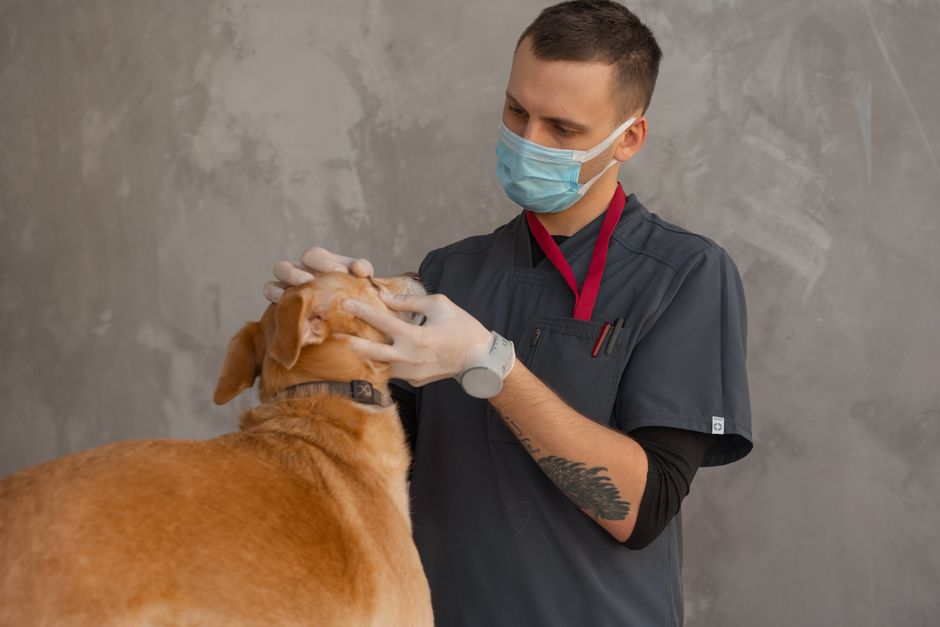
Seeking veterinary support is key to keeping animals parasite-free. At Countryside Veterinary Services, our veterinary team offers a range of diagnostic and treatment solutions tailored to each species' needs. For dogs and cats, treatment approaches involve prescription flea and tick preventives, oral or topical dewormers, and heartworm prevention plans. Routine fecal exams help identify internal parasites, ensuring the most effective product is chosen for your pet’s unique risk factors.
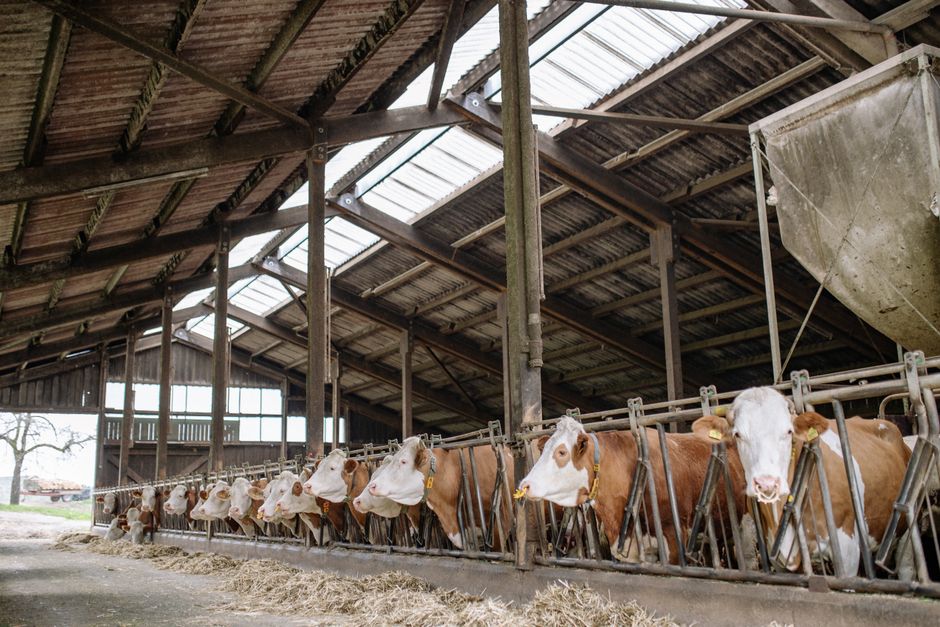
For livestock and horse owners, our veterinarians can recommend and administer appropriate dewormers based on fecal egg counts, herd or stable history, and regional resistance patterns. Strategic deworming plans are designed to minimize drug resistance while maximizing animal health. Our team provides guidance on pasture management, rotational grazing, and herd health checks to identify issues before they impact productivity. We also offer herd health services and comprehensive equine veterinary care for those managing larger groups or performance animals.
Poultry and small ruminant producers can benefit from our expertise in parasite identification and control, with recommendations customized for local environmental conditions. If you notice any concerning symptoms in your animals, a prompt wellness examination can help catch and address parasitism early, reducing the risk of long-term health consequences.
Preventing Parasites at Home, in the Barn, and on the Farm
Preventive care is the most effective way to keep animals healthy throughout the summer. Pet owners can start by using veterinarian-recommended monthly preventives for fleas, ticks, and heartworm. Regularly check your dog or cat for ticks after outdoor activities, keep lawns trimmed, and wash bedding frequently to reduce flea populations. Cleaning up pet waste promptly can help limit the spread of intestinal worms.
For producers, steps include rotating pastures to reduce larval contamination, avoiding overstocking, and providing clean water and feed. Young animals are especially vulnerable, so monitoring calves, lambs, or foals for signs of diarrhea or poor growth is important. Implementing a strategic deworming plan based on veterinary advice can help maintain low parasite burdens year-round. Horse owners should remove manure from stalls and paddocks regularly, avoid grazing horses on short pastures, and follow recommended vaccination and deworming schedules.
Backyard poultry owners can reduce parasite risks by maintaining clean, dry coops, using appropriate litter, and monitoring birds for external pests like mites and lice. Any new animals brought onto the property should be quarantined and checked for parasites before joining the main group.
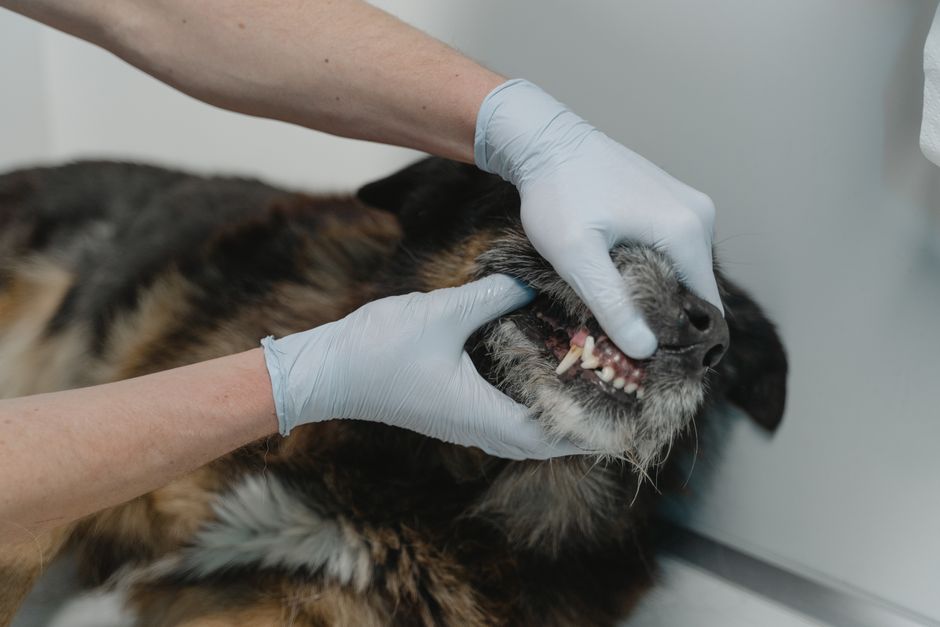
For all species, annual or biannual check-ups with our veterinary team support early detection and prevention. Our preventative care services are designed to address the specific needs of both pets and livestock, helping you stay ahead of seasonal health threats.
When to Contact the Veterinary Team
There are times when home management is not enough and professional intervention is necessary. Pet owners should contact our veterinarians if a dog or cat develops persistent scratching, hair loss, visible parasites, or signs of illness such as vomiting, diarrhea, or lethargy. Similarly, if you observe worms in your pet’s stool, coughing, or unexplained weight loss, prompt veterinary attention is critical.
Producers should reach out if livestock or horses display sudden drops in body condition, diarrhea that does not resolve within a day or two, pale gums or mucous membranes, swelling under the jaw, or coughing that spreads through the group. Unexplained deaths, especially among young stock, should be investigated immediately. For poultry, reduced egg production, drastic weight loss, or visible skin irritation are reasons to seek expert advice.
At Countryside Veterinary Services, our team of veterinarians is equipped to diagnose and treat a wide range of parasitic diseases. We encourage you to schedule an appointment if you notice any changes in your animals’ health, as early intervention often leads to the best outcomes.
Supporting Health All Summer with Countryside Veterinary Services
July’s humidity and warmth may increase parasite risks, but with proactive management and the right veterinary support, you can keep your animals healthy and comfortable. Whether you are a pet owner looking to safeguard your dog or cat or a producer managing a herd or flock, our veterinary professionals in Taylorville are here to help with tailored parasite prevention programs, diagnostics, and treatment options.
If you are searching for a veterinarian near me who understands the needs of both companion animals and livestock, look no further than Countryside Veterinary Services. To schedule a wellness examination, herd health check, or discuss a parasite prevention plan for your animals, call our team at (770) 788-7387 or visit us at 201 South Water Street, Taylorville, IL 62568. For more information about our services, including preventative care and herd health support, explore our preventative care options and herd health services online.
Our commitment is to the long-term wellbeing of your animals. Let us help you enjoy a safe, healthy summer with effective parasite prevention for every member of your home, barn, or farm. Always consult with your veterinarian before starting any parasite control regimen, as recommendations should be tailored to your specific situation and animal population.