Late Summer Heat Stress in Cattle: Signs and Prevention Tips
Late Summer Heat Stress in Cattle: Signs and Prevention Tips
As the late summer sun beats down across the pastures of Taylorville and surrounding communities, many producers face a critical challenge: protecting their cattle from heat stress. August in central Illinois is known for its high humidity and soaring temperatures, creating conditions that can quickly put a herd at risk. At Countryside Veterinary Services, located at 201 South Water Street, Taylorville, IL 62568, our veterinary team understands the impact late summer heat can have on livestock health, performance, and overall productivity. This blog outlines the warning signs of heat stress in cattle and offers practical management strategies so you can keep your herd healthy and thriving through the hottest weeks of the year.
In the following sections, we’ll help you identify the signs of heat stress, explain why cattle are particularly vulnerable in late summer, and share expert prevention tips tailored to local conditions. You’ll also learn when it’s time to seek professional help from our experienced farm animal veterinary team, and how ongoing herd health services and preventive care can safeguard your operation long-term.
Recognizing Heat Stress in Cattle: Warning Signs to Watch For
Heat stress doesn’t always announce itself with dramatic symptoms; more often, it starts with subtle changes in cattle behavior and physiology. Producers should keep a close eye on their herd during periods of high heat and humidity, especially when nighttime temperatures remain elevated.
Early signs that your cattle may be experiencing heat stress include reduced feed intake, as animals instinctively eat less to minimize internal heat production. You may also notice cattle bunching together in the shade, standing rather than lying down, or seeking out water sources more frequently than usual. As heat stress progresses, more overt symptoms develop including open-mouth breathing, excessive salivation, rapid shallow breathing, and a persistent reluctance to move. Some cattle may hold their heads low or display unsteady gait.
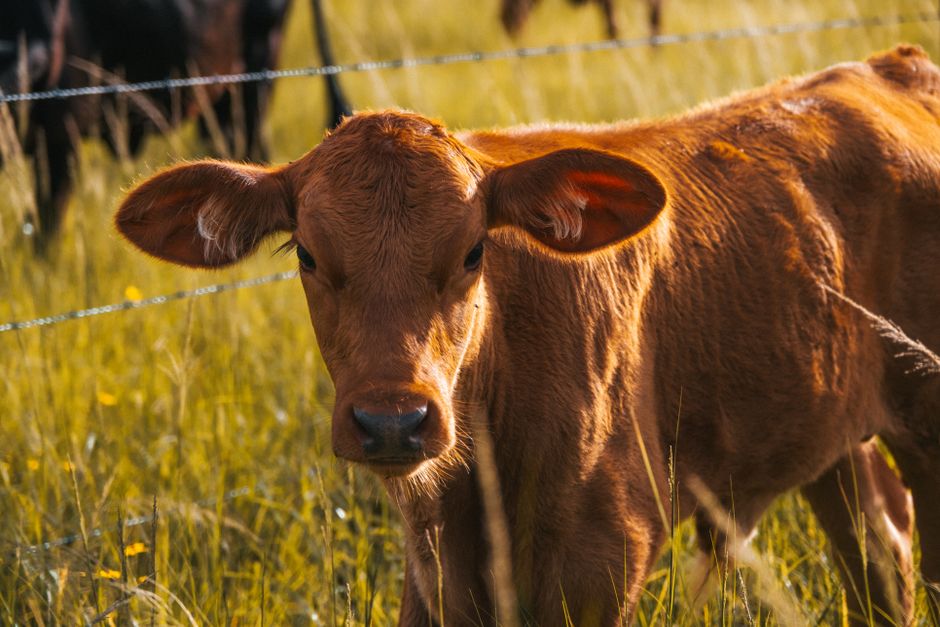
In severe cases, cattle can collapse, show signs of muscle tremors, or develop an elevated rectal temperature above 104°F. If left unaddressed, these symptoms can escalate to life-threatening heat stroke. Calves, high-producing cows, and animals with dark hides are particularly susceptible, so watch these groups closely.
Why Late Summer Heat is Especially Risky for Cattle
Taylorville’s late summer weather creates a perfect storm for heat stress in cattle herds. High ambient temperatures, coupled with elevated humidity, reduce the efficiency of evaporative cooling through panting and sweating. When the heat index remains high for consecutive days, cattle struggle to dissipate body heat accumulated during daylight hours, especially if nighttime temperatures do not drop enough to allow for recovery.
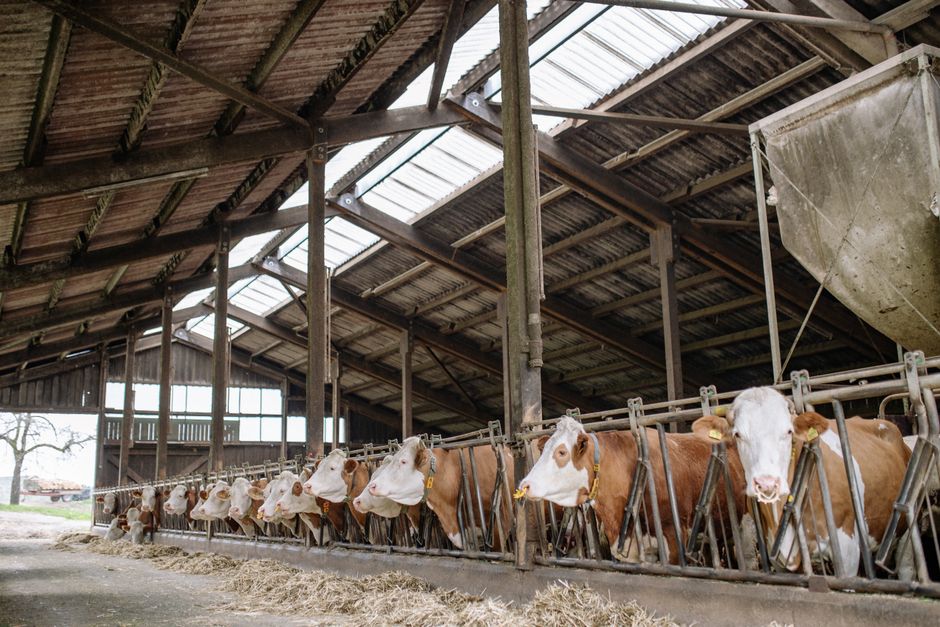
Environmental factors such as lack of shade, limited airflow, overcrowded conditions, and insufficient water access compound the risk. Cattle generate heat internally through digestion, so high-fiber diets and rapid growth or lactation increase their vulnerability. Additionally, certain breeds with heavy muscling or dark pigmentation absorb and retain more solar radiation, further increasing their heat load.
Late summer is also a period when pastures may be drought-stressed, reducing available forage and potentially leading to overgrazing near water sources where shade is limited. These factors mean that even well-managed herds can experience heat stress if proactive steps are not in place.
Treatment and Management of Heat-Stressed Cattle
When cattle show signs of heat stress, immediate action is needed to prevent further complications. Move affected animals to a shaded area with access to fresh, cool water. Providing shade can be as simple as natural tree cover or as structured as portable shade cloths or shelters. Sprinkling or misting cattle with water can also help lower body temperature, but ensure there is adequate airflow to facilitate evaporation; standing animals in stagnant water or mud may not be effective and can introduce other health risks.
Monitor rectal temperatures frequently in severely affected animals, as a rapid return to normal temperature is critical for recovery. In cases where cattle do not improve quickly, or if you notice neurological symptoms such as unsteady gait or collapse, contact our veterinary team promptly for professional evaluation and intervention.
Supportive veterinary care may include intravenous fluids to address dehydration and electrolyte imbalances, as well as anti-inflammatory medications when appropriate. Our team at Countryside Veterinary Services is equipped to provide emergency veterinary care during regular daytime hours and can advise on the best course of action for your herd.
Proactive Prevention: Practical Steps for Reducing Heat Stress on the Farm
Preventing heat stress in cattle is far more effective than treating it. There are several management strategies producers in the Taylorville area can implement to keep their herds safe during late summer:
Providing ample shade is vital for reducing direct solar heat gain. If natural shade is limited, consider adding portable shade structures to high-use areas such as feeding and watering sites. Ensuring continuous access to clean, cool water is equally important; during hot weather, cattle will more than double their normal water intake. Check water troughs multiple times per day, and place them in shaded locations when possible to prevent rapid warming.
Managing stocking density is another key factor. Avoid overcrowding pastures or holding pens, as tight quarters increase heat load and restrict airflow. Schedule handling, transportation, and other stressful activities for early morning or late evening when temperatures are lowest, and postpone non-essential work during heat waves.
Feed management also plays a role. Offer higher-energy, lower-fiber rations when feasible, as digesting roughage generates more internal heat. Monitor body condition to ensure cattle are neither over- nor under-conditioned going into the hottest weeks.
For long-term herd health, regular preventive care visits with our veterinary professionals can identify animals at higher risk and guide you on best practices tailored to your operation’s needs.
When to Seek Veterinary Care for Heat Stress
While many cases of mild heat stress can be managed on the farm with prompt intervention, certain situations require immediate veterinary attention. If you observe cattle that are not responding to shade and water, or if symptoms include collapse, persistent panting, severe weakness, or evidence of neurological distress, it is essential to contact our veterinary team without delay. Heat stroke can progress rapidly, and early professional care can mean the difference between recovery and serious losses.
Producers in Taylorville and surrounding communities should keep our contact information readily available during peak summer months. If you have concerns about your herd’s health, or if you are uncertain whether a situation requires veterinary intervention, our team is here to provide guidance and support.
Supporting Herd Health All Summer Long
Late summer heat stress in cattle is a significant concern for producers in the Taylorville area, but with vigilance and proactive management, you can safeguard your herd’s health and productivity. Recognizing early signs, understanding risk factors, implementing practical prevention strategies, and knowing when to seek professional help are all key steps in protecting your operation from heat-related setbacks.
Our team of veterinarians at Countryside Veterinary Services is committed to supporting local producers with expert advice, timely intervention, and comprehensive herd health services. If you need more information on heat stress prevention or wish to schedule a herd health consultation, please call us at (770) 788-7387 or visit our clinic at 201 South Water Street, Taylorville, IL 62568. When searching for a veterinarian near me with experience in large animal care, know that our veterinary team is ready to help you protect your cattle through every season.
For questions about emergency heat stress situations outside our regular hours, we encourage producers to familiarize themselves with additional resources such as the University of Illinois’ large animal emergency hospital.
Your herd’s health is our top priority, and we are here to keep your cattle safe, comfortable, and productive all summer long.