October Pet and Livestock Safety Tips for Cooler Weather
October Pet and Livestock Safety Tips for Cooler Weather
As October ushers in cooler temperatures across Taylorville and surrounding communities, pet owners and livestock producers alike face new challenges in keeping animals healthy and comfortable. Whether you are making your home cozy for your indoor pets, preparing your barn for horses, or planning for your herd’s welfare as the weather changes, the transition from warm days to crisp autumn nights requires thoughtful adjustments. At Countryside Veterinary Services, located at 201 South Water Street, Taylorville, IL 62568, our team of veterinarians is dedicated to helping both companion animal families and agricultural operations navigate seasonal health needs. In this blog, we will review practical October safety tips for pets, horses, and livestock, highlight common cold-weather health concerns, and share expert advice to ensure your animals thrive all month long.
Recognizing Seasonal Risks: Signs Your Animals Need Extra Care
As temperatures dip in Central Illinois, both household pets and farm animals can begin to show signs that their needs are evolving. For pet owners, you might notice your dog or cat seeking out warmer spots, sleeping more, or showing reluctance to go outside. Dry skin, dull coats, and stiff joints can also become apparent as the weather cools. For horses, watch for changes in coat thickness, increased hay consumption, or reluctance to leave the barn. Equine athletes may show early signs of stiffness or slower warm-up times in the arena. Livestock producers should be vigilant for symptoms such as huddling, shivering, decreased weight gain, and increased respiratory issues—these are all signs your herd may be vulnerable to cold stress or drafts in the barn.
Other warning signs include reduced water intake, which can lead to dehydration in both pets and livestock, and changes in appetite, which may signal underlying health concerns exacerbated by the changing season. Producers may also observe muddy pastures, which create a risk for hoof problems in cattle and horses alike. For all animal owners, increased indoor time can mean a higher risk for certain contagious diseases, making preventive care more important than ever.
Why October Weather Brings New Challenges for Animal Health
The arrival of fall in Taylorville brings more than colorful leaves; the fluctuating temperatures and damp conditions can stress animals’ immune systems. For pets, cooler weather often means less time outdoors and lower activity levels, which can contribute to weight gain and joint stiffness. Additionally, dry indoor air from heating systems may cause skin irritation and exacerbate existing respiratory issues.
For horses and livestock, the autumn transition comes with unique management hurdles. Cattle and sheep, for example, may struggle with fluctuating day-night temperatures that challenge their ability to regulate body heat. Horses begin to develop thicker winter coats, but sudden cold snaps can still catch them off guard, particularly if blanketing strategies are not adjusted accordingly. Muddy conditions in fields and pens increase the likelihood of hoof infections and contribute to overall stress, while reduced daylight hours can affect reproductive cycles in some species.
Moreover, livestock producers must be mindful of nutritional changes. With pasture quality declining, supplemental feeding becomes essential to maintain body condition and reduce the risk of metabolic issues as winter approaches. For all animals, maintaining access to clean, unfrozen water is critical, as dehydration risks rise when animals drink less in cooler weather.
Professional Veterinary Management for Fall Health Concerns
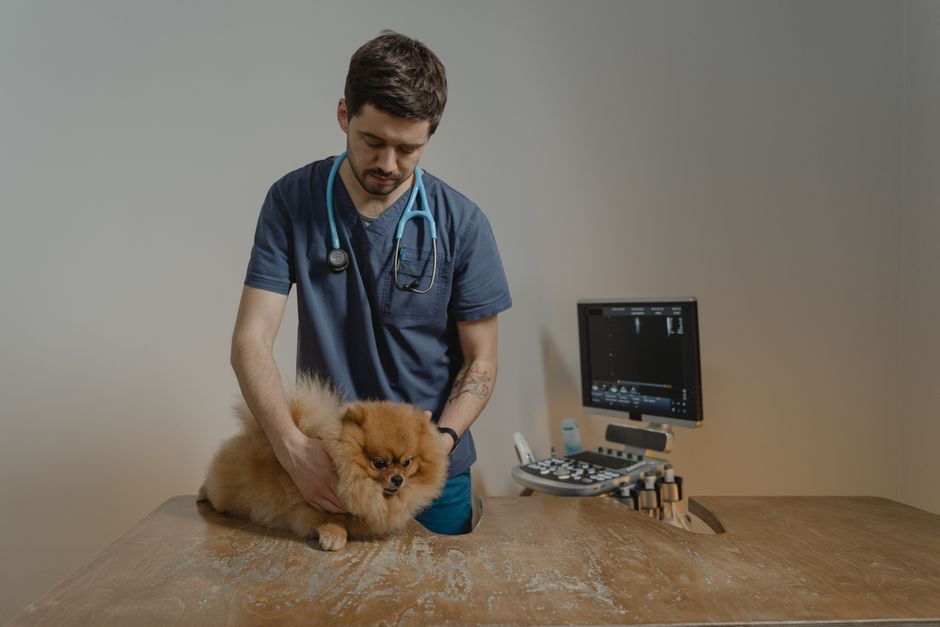
October is an ideal time for both pet owners and producers to connect with their veterinary team to review fall and winter care plans. For pets, scheduling a wellness examination helps identify early signs of seasonal allergies, arthritis, or dental disease that may worsen in cooler weather. Our veterinarians can recommend tailored strategies such as joint supplements, dietary adjustments, or changes in exercise routines to support your companion animal’s health.
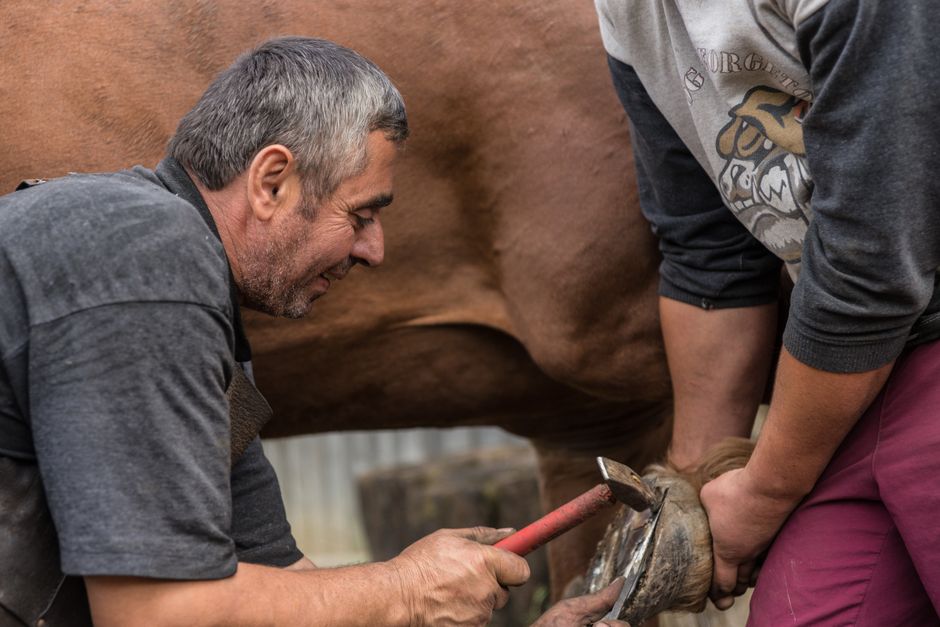
For horses, an autumn health check allows for dental evaluation, vaccination updates, and body condition scoring. The equine veterinary team can discuss blanketing needs, deworming protocols, and hoof care strategies suited for the muddy, changing conditions common in Taylorville this time of year. Producers benefit from on-farm herd evaluations that focus on nutrition planning, parasite control, and respiratory health management. Our herd health services are designed to address issues like pneumonia risk in calves, body condition loss in beef cattle, and lameness prevention in both cattle and sheep.
When issues arise unexpectedly, the clinic offers daytime emergency veterinary care for both pets and large animals. Knowing that urgent support is available can provide peace of mind as you navigate the unpredictable turns of fall weather.
Home and Farm Strategies: Keeping Animals Safe and Comfortable
Taking proactive steps at home and on the farm can make a significant difference in your animals’ well-being throughout October. For pets, ensure bedding is clean, dry, and located away from drafts. Providing a warm, quiet spot for rest—especially for senior animals—helps ease the discomfort of chilly nights. Regular grooming supports healthy coats, while monitoring for signs of dry skin or excessive shedding can alert you to early problems.
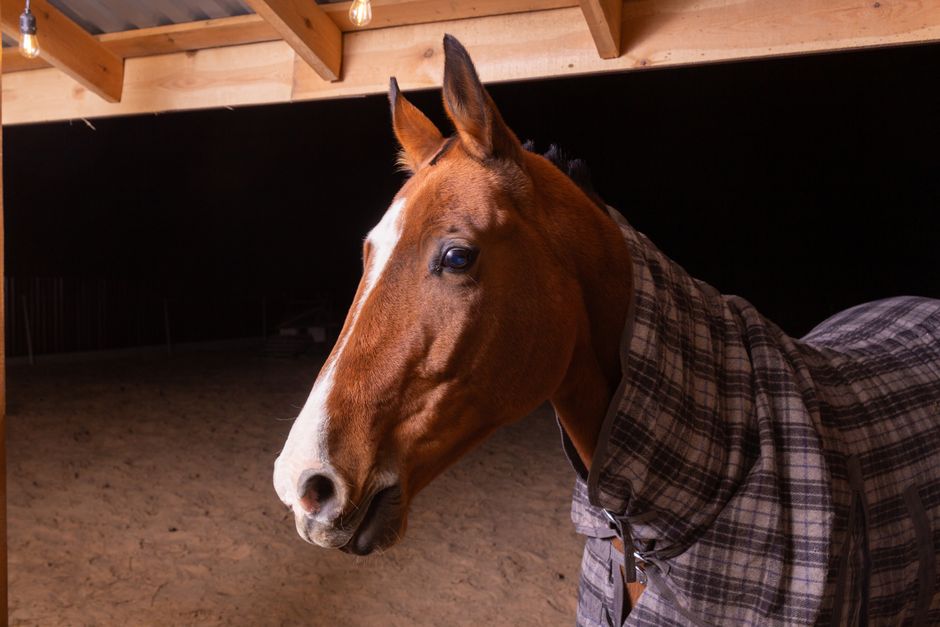
Horse owners should assess barn ventilation, check blankets for fit and cleanliness, and provide ample fresh water to encourage drinking. Adjust turnout routines to avoid wet, muddy paddocks when possible, and consult your equine veterinary team about hoof care scheduling as dampness increases the risk of thrush and other hoof problems. For horses in work, allow longer warm-up and cool-down periods during exercise to prevent muscle stiffness.
Livestock producers should prioritize shelter that protects herds from wind and precipitation. Ensure bedding in barns and sheds is deep and dry, and monitor animals for signs of crowding or aggression, which can increase when shelter space is limited. Supplemental feeding, such as high-quality hay or grain, may be necessary as pasture declines. It is equally important to check waterers daily for freezing or contamination, as cattle and sheep often reduce water intake in cold weather—a leading risk factor for digestive problems.
Additionally, consider the potential for rodent infestations as animals spend more time in barns and feed storage areas. Keep feed bins sealed and clean up spilled grain promptly to reduce disease risks associated with rodents.
Knowing When to Seek Veterinary Care
Despite your best efforts, the transition to cooler weather sometimes brings health concerns that require professional attention. Pet owners should contact Countryside Veterinary Services if their dog or cat shows signs of persistent coughing, limping, skin problems, decreased appetite, or lethargy that lasts more than a day or two. Sudden changes in behavior, disorientation, or difficulty breathing are always reasons to seek urgent veterinary care.
Horse owners should reach out promptly for issues such as colic symptoms, lameness that is not improving, severe coughing, nasal discharge, or wounds that occur during turnout or work. Monitoring horses for changes in eating or drinking habits, as well as monitoring manure output, is key for early detection of digestive and metabolic problems.
Producers must act quickly if livestock show signs of respiratory distress, sudden lameness, rapid weight loss, or signs of contagious disease. Early intervention can prevent the spread of illness within a herd and minimize economic impact. If you encounter a situation that feels urgent, daytime emergency veterinary care is available to both pets and farm animals at our Taylorville location.
Remember, early detection and prompt veterinary attention are critical for the health and recovery of all animals during the unpredictable fall season.
Supporting Animal Health in Taylorville and Surrounding Communities
As October brings cooler weather and new challenges for both pets and livestock, you can count on Countryside Veterinary Services to support your animals’ well-being every step of the way. Our team is committed to providing comprehensive care, from preventive veterinary services and seasonal wellness exams to urgent support for sudden health issues.
If you have questions about fall nutrition, shelter, parasite control, or need advice tailored to your unique situation—whether at home with a beloved pet or managing a busy operation—schedule an appointment with our veterinary professionals. Those searching for a trusted veterinarian near me in Taylorville will find our clinic ready to serve both companion animals and large animal operations with compassion and expertise.
To book a visit or speak with our team about your concerns, call (770) 788-7387 or stop by our convenient location at 201 South Water Street, Taylorville, IL 62568. Let us help you keep all your animals safe, healthy, and thriving this October and beyond.
For more resources on fall animal care, explore our website or reach out for personalized guidance. Your animals deserve the very best as the seasons change—and we’re here to provide it.