Pet Care Tips for Winter Weather in Taylorville
Pet Care Tips for Winter Weather in Taylorville
As winter settles over Central Illinois, animal owners across Taylorville and the surrounding communities face seasonal challenges that call for extra attention and preparation. Whether you share your life with cats and dogs at home, manage a herd of cattle, or care for horses on your property, the cold months bring unique risks and responsibilities. At Countryside Veterinary Services, located at 201 South Water Street, Taylorville, IL 62568, our veterinary team understands that safeguarding animal health in winter takes forethought and practical know-how. In this guide, you will find essential pet care tips for both companion animals and farm livestock, with advice tailored to our region’s climate and the realities of rural and suburban animal care. From recognizing cold-weather health risks to implementing preventive strategies, you will be empowered to keep every animal in your care safe, healthy, and comfortable through even the chilliest winter days.
Recognizing Winter Challenges for Companion Pets and Livestock
Winter in Taylorville is known for frigid temperatures, icy winds, and frequent precipitation. These conditions can affect animals in a variety of ways, and the signs of trouble may be subtle at first. For dogs and cats, symptoms that signal cold-related distress include shivering, reluctance to go outdoors, dry or cracked paw pads, and lethargy after time outside. Cats may seek out warm places to hide, increasing the risk of accidents around vehicles or heat sources.
For livestock such as cattle, sheep, and goats, warning signs often start with changes in behavior or body condition. Animals may huddle together for warmth, eat less than usual, or show signs of frostbite on ears and extremities. Horses may lose weight, develop a dull coat, or show discomfort when standing on frozen, uneven ground. All species are at risk for dehydration if water sources freeze, and respiratory issues can arise in barns or sheds with poor ventilation.
Recognizing these signs early is crucial for timely intervention and for ensuring animal comfort and safety all season long.
Why Winter Poses Risks: Understanding the Causes
The combination of low temperatures, wind chill, dampness, and limited grazing or exercise opportunities all contribute to winter health risks for both companion pets and farm animals. For small animals, exposure to cold pavement, snow, and ice can quickly sap body heat, especially for short-haired breeds or senior pets. Salt and chemical de-icers can irritate paws and cause illness if licked off fur.
On the farm, livestock face additional stressors such as reduced forage quality, increased feed requirements for energy, and the risk of frozen water supplies. Shelter may not always be sufficient to block wind or precipitation, leading to increased energy expenditure just to maintain core body temperature. Horses, in particular, may need to be monitored for adequate water intake, as cold weather can lead them to drink less, increasing the risk of impaction colic.
Understanding these underlying causes helps both pet owners and producers anticipate problems before they escalate.
Veterinary Treatment and Professional Management for Winter Issues
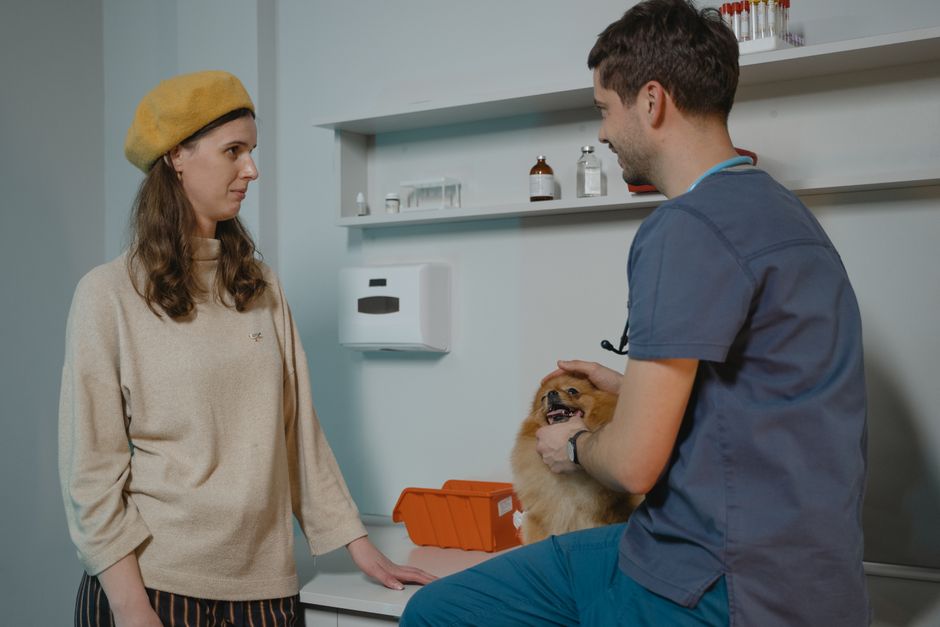
When winter health issues arise, prompt veterinary attention can make a significant difference. For companion animals, our team at Countryside Veterinary Services is equipped to address problems ranging from hypothermia and frostbite to respiratory infections and injuries from slips or falls. During a wellness examination, we may identify early signs of cold-related stress or chronic conditions that are exacerbated by winter weather. Treatment approaches often involve warming therapies, wound care for frostbite, pain management for sore joints, and sometimes prescription medications for respiratory or skin conditions aggravated by the cold.
For livestock and horses, veterinary intervention may be needed for cases of severe frostbite, lameness due to icy conditions, or sudden drops in body condition. Our herd health services and comprehensive equine care include nutritional consultations, evaluation of shelter and bedding, vaccination updates, and prompt treatment for winter illnesses such as pneumonia or foot rot. In some cases, emergency care may be necessary for problems like calving difficulties in cattle or colic in horses, both of which can be more common during cold snaps.
No matter the species, our veterinary team emphasizes early intervention and close monitoring to minimize complications.
Preventive Pet Care Tips and Winter Management Strategies
Taking proactive steps at home and on the farm is the key to preventing many wintertime issues. For dogs and cats, practical pet care tips for winter include providing a warm, draft-free shelter indoors, limiting time outside during extreme cold, and using pet-safe products for ice and snow removal. Regularly check and clean paws after walks to remove salt or chemicals, and consider booties for sensitive pets. Keeping coats clean, dry, and free of mats helps maintain natural insulation. Senior pets and those with arthritis may benefit from orthopedic bedding and joint supplements during the colder months.
For livestock, prevention starts with ensuring adequate shelter from wind, rain, and snow. Barns and sheds should be well-ventilated yet free of drafts. Bedding should be deep and dry, and water sources must be checked multiple times daily to prevent freezing. Feed requirements often increase in winter, particularly for lactating animals or those in late gestation; consult with our veterinary team to fine-tune nutrition plans. Horses need free-choice access to unfrozen water, routine hoof care, and regular body condition scoring to detect weight loss early. Salt and mineral supplementation is important when animals are not grazing on pasture.
Vaccination updates and parasite control remain important in winter, as animals in close quarters can still transmit diseases. For more detailed preventive care recommendations, our preventive care services page offers additional insights for both pets and livestock.
When to Seek Veterinary Care for Winter Health Concerns
Knowing when to call your veterinarian is one of the most important pet care tips for winter. For pet owners, immediate attention is warranted if your dog or cat is shivering uncontrollably, has persistent lameness, develops open sores on the ears or paws, or shows signs of lethargy or breathing difficulties after cold exposure. Sudden behavioral changes or appetite loss should also prompt a call.
Producers should contact our veterinary team promptly if livestock or horses exhibit signs such as rapid weight loss, reluctance to rise, persistent coughing, or evidence of frostbite. Difficult births, colic symptoms in horses, or outbreaks of respiratory disease in the barn are all situations where professional intervention is critical. Do not attempt to treat severe hypothermia or frostbite at home, as improper warming can cause further harm.
If you are unsure whether a situation requires veterinary care, it is always better to err on the side of caution and reach out for advice. Our team at Countryside Veterinary Services provides both routine and emergency care during regular business hours; for after-hours emergencies, we can direct you to appropriate resources.
Keeping Every Animal Safe: Pet Care Tips for All Species
No matter the size or species of animal in your care, winter requires vigilance and adaptability. For pet owners, it means adjusting daily routines, providing extra comfort, and watching for subtle signs of distress. For producers and horse owners, it means monitoring herds and individual animals closely, maintaining infrastructure, and being prepared for sudden weather changes. The most effective pet care tips are always those that combine practical home or farm management with regular veterinary guidance.
Our veterinary professionals are here to support the health and wellbeing of every animal in Taylorville and surrounding communities. From routine wellness examinations to urgent care, our commitment is to help your animals thrive, whatever the forecast brings.
If you have questions about winter animal care, would like to schedule a wellness check, or need advice specific to your operation or household, contact Countryside Veterinary Services at (770) 788-7387 or visit us at 201 South Water Street, Taylorville, IL 62568. For more information on services like emergency veterinary care or to explore our full range of farm animal health services, our website has many resources to support your needs.
When searching for a veterinarian near me who understands the unique winter challenges of both pets and production animals in Taylorville, our team stands ready to help. Stay safe and warm this season, and know that comprehensive animal care is always within reach at Countryside Veterinary Services.