Preparing Horses for Fall: Autumn Health and Nutrition Tips
Preparing Horses for Fall: Autumn Health and Nutrition Tips
As the days grow shorter and the crisp air of autumn arrives in Taylorville, horse owners know that fall brings a fresh set of care routines for their herds. Seasonal changes affect everything from nutrition and pasture management to health monitoring and parasite control. At Countryside Veterinary Services, located at 201 South Water Street, Taylorville, IL 62568, our team of veterinarians is committed to helping you ensure your horses thrive through the autumn months and enter winter in top condition. In this guide, we will explore the essential aspects of fall horse care, including adjusting feeding protocols, monitoring health for seasonal risks, and preparing for changing weather conditions. Whether your horses are used for pleasure, performance, or ranch work, these expert-recommended tips will help you support their health all season long.
If you are looking for comprehensive equine veterinary care in Taylorville and surrounding communities, our clinic offers everything from routine health checks to nutrition consultations. Read on to learn what you should watch for this fall and how to keep your horses healthy as the seasons change.
Recognizing Autumn Health Challenges in Horses
Fall in central Illinois introduces a unique mix of weather variability, pasture changes, and management demands. Horse owners may notice issues that are specific to this transitional period. Common problems include fluctuating temperatures leading to respiratory stress, sudden changes in pasture quality affecting digestive health, and new parasite risks as grazing patterns shift.
Key signs that your horse may be struggling with autumn transitions include a duller hair coat as daylight decreases, increased coughing or nasal discharge due to cool, damp mornings, and changes in manure consistency that can signal digestive upset. Additionally, horses may show decreased energy if pasture grass quality drops or if their nutritional needs are not met as activity levels change. Laminitis risk can also increase in the fall, especially if horses graze on lush, late-season grass after a flush of rain. Owners should be alert to signs such as reluctance to move, shifting weight, or visible discomfort, as these may indicate underlying hoof problems.
Behavioral changes are another important indicator. Horses that become irritable or withdrawn may be reacting to stress from cooler nights or increased time in the barn. Monitoring your horses daily for subtle shifts in behavior, appetite, and condition will help you catch issues early and address them before they become serious.
Why Autumn Demands Special Attention for Horse Health
Several factors make autumn a critical time for horse health and nutrition planning. As pasture growth slows and grass becomes less nutrient-dense, horses may not receive the calories and vitamins they need from grazing alone. This is particularly true for performance horses or those with higher metabolic demands, as well as for older horses whose digestive efficiency has declined.
Cooler weather often brings an increase in respiratory issues. Dust from dry hay, mold from damp bedding, and the tendency to close barn doors can all contribute to respiratory stress. Horses may spend more time indoors, raising the risk of respiratory infections, as well as joint stiffness from reduced movement.
Parasite risks also change in the fall. After a season of grazing, parasite loads in pasture can increase, and certain internal parasites become more active as temperatures drop. Horses that have been on pasture all summer may require targeted deworming based on fecal egg counts and risk assessment.
Additionally, autumn is the ideal time for vaccinations to protect against diseases that are more prevalent as horses spend more time in group settings or stabled environments. Dental issues may also become more apparent as horses transition from soft grass to hay, making fall a good opportunity for dental evaluations.
Managing Nutrition and Seasonal Risks: What Horse Owners Need to Know
Adjusting your horse’s diet in the fall is crucial to maintaining optimal body condition and health. As pasture quality declines, owners should gradually introduce high-quality hay to supplement or replace lost forage. The transition should be slow to prevent digestive upset; sudden changes in forage type can lead to colic or laminitis.
Assessing body condition is an important step in fall herd management. Horses should enter winter with a moderate body condition score, carrying enough fat reserves to maintain warmth but not so much that metabolic problems arise. Regularly feeling over the ribs, withers, and topline will help you monitor changes that might not be visible beneath a growing winter coat.
For horses prone to laminitis, careful management of pasture access is necessary, particularly after autumn rains when grass may become lush. Restricting turnout during high-risk periods and using grazing muzzles if needed can help prevent overconsumption of sugar-rich grass.
Autumn is also a good time to review your herd’s deworming protocol. Consulting your veterinarian for a fecal egg count can determine if deworming is needed and help avoid unnecessary treatments. In addition, fall vaccinations, such as those for influenza or rhinopneumonitis, should be kept up-to-date, especially if horses are traveling or mingling with new animals. For more on preventive strategies, our preventive veterinary care resources offer in-depth guidance.
Water intake must not be overlooked. As temperatures drop, horses may drink less, increasing the risk of impaction colic. Providing fresh, unfrozen water at all times and considering warm water on particularly cold days can encourage adequate hydration.
Actionable Fall Barn and Pasture Management Tips
Preparing your barn and pasture for fall can make a significant difference in your horse’s health and comfort. Start by ensuring that shelters are clean, dry, and free from drafts, while still allowing for adequate ventilation. Bedding should be checked for moisture and mold, as damp conditions can promote respiratory issues.
Inspect all fencing and pasture gates for wear and weakness; autumn storms and the coming winter can test any weak spots. Remove toxic plants and ensure that fallen leaves, which can sometimes be harmful if ingested, are cleared from grazing areas.
Hay storage is another important consideration. Store hay in a dry, well-ventilated area to prevent mold growth, and inspect bales regularly for quality. Introducing new hay should be done gradually, mixing it with the previous batch to prevent digestive upset.
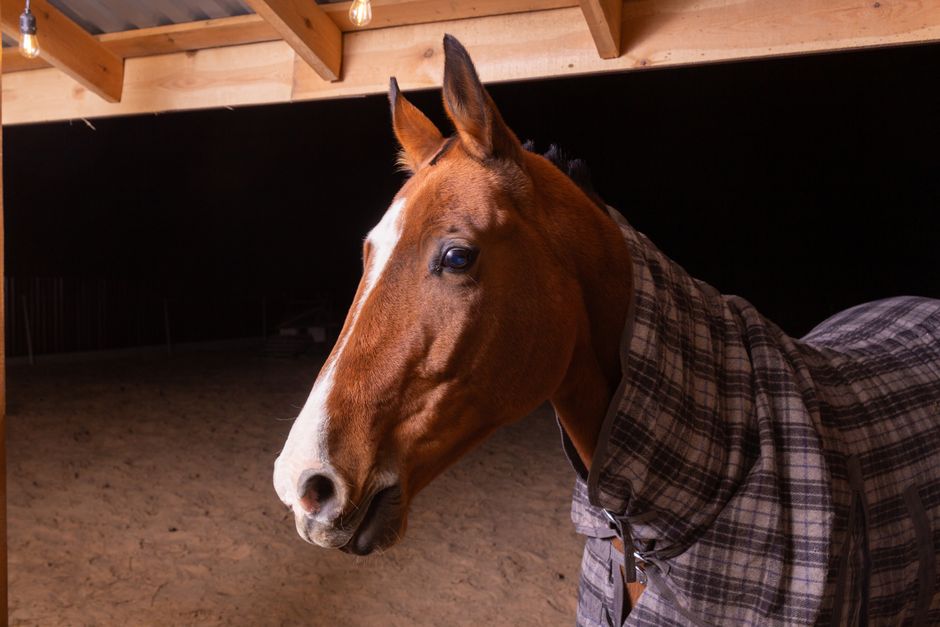
Blanketing decisions should be based on your horse’s body condition, age, and acclimatization. Not all horses require blanketing, but older or thinner horses, as well as those clipped for performance, may need extra protection against the chill. Always check under blankets daily for signs of rubbing, moisture, or skin irritation.
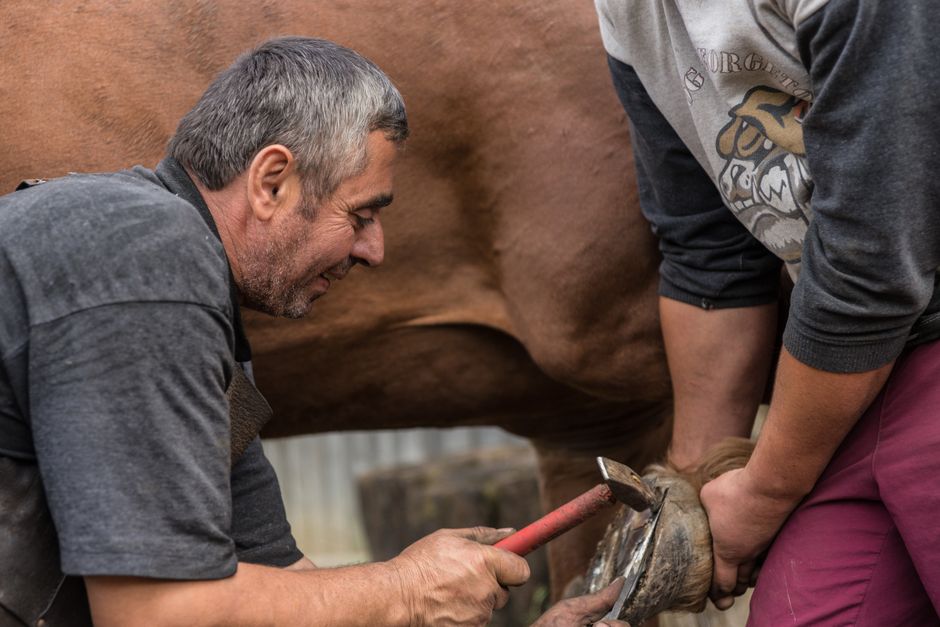
Finally, use the fall season as a reminder to schedule hoof care. The combination of wet and dry conditions can contribute to hoof cracks or thrush. Regular trims and prompt attention to any lameness help prevent long-term problems.
When to Seek Veterinary Care for Autumn Horse Health Concerns
While many aspects of fall horse care can be managed through good barn practices and attentive daily monitoring, there are times when professional veterinary support is essential. Contact your veterinary team promptly if you notice signs such as persistent coughing, nasal discharge, or labored breathing, as these may indicate respiratory infection or allergies. Sudden changes in appetite, unexplained weight loss, or lethargy also warrant a thorough examination.
Lameness, reluctance to move, or visible discomfort around the hooves should be addressed immediately, as fall is a prime season for laminitis and other hoof disorders. Digestive issues, such as colic symptoms or changes in manure consistency, should be treated as emergencies; do not wait to see if the problem resolves on its own.
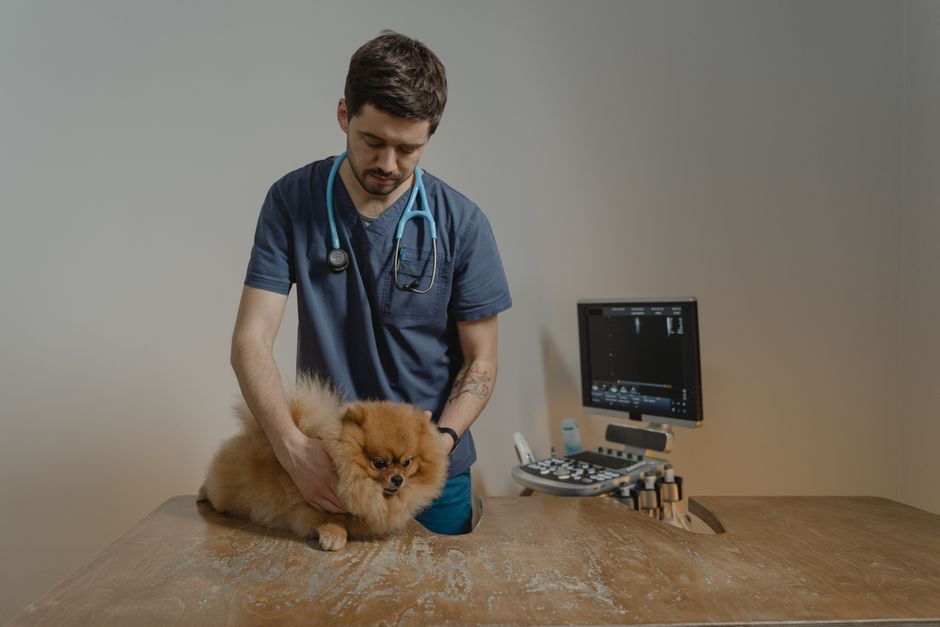
Routine fall checkups are an excellent way to catch minor health problems before they escalate. During a seasonal evaluation, your veterinarian can assess dental health, body condition, vaccination status, and parasite control needs. For a full range of comprehensive equine veterinary services, our team in Taylorville is ready to help your horses stay healthy through every season.
If you ever find yourself facing an urgent equine health concern outside of regular hours, you may also consider reaching out to regional resources such as the University of Illinois Veterinary Teaching Hospital’s emergency veterinary care.
Supporting Your Herd: Preventive Care and Ongoing Wellness
Preventing problems before they arise is the cornerstone of successful herd management. Fall is the ideal time to review your vaccination schedule, discuss nutrition plans for the colder months, and schedule dental and hoof care appointments. Establishing a strong relationship with your local veterinary clinic ensures you have expert guidance tailored to the needs of your operation.
By working with our knowledgeable equine veterinary team at Countryside Veterinary Services, you can develop nutrition plans, parasite control strategies, and wellness protocols that meet the specific needs of your horses, whether they are used for competition, work, or companionship. Stay proactive by scheduling routine evaluations and seeking advice on any concerns that arise as the seasons shift.
Your Partner for Fall Horse Health in Taylorville
As autumn settles into Taylorville and the surrounding region, keeping your horses healthy requires attentive management and expert support. From adjusting nutrition and monitoring for seasonal risks to maintaining barns and scheduling routine care, every step you take now sets your herd up for a successful winter.
If you are searching for a trusted "veterinarian near me" experienced in equine health, Countryside Veterinary Services is here to help. Schedule an appointment with our veterinary professionals for a seasonal evaluation or consultation tailored to your herd’s needs. You can reach us at (770) 788-7387 or visit our Taylorville location for personalized care.
For more information on fall herd health or to learn about our full range of equine veterinary care options, our team is always available to provide expert guidance and support. Let us help you keep your horses thriving through every season.
This blog is intended for informational purposes only and should not replace professional veterinary advice. Always consult with your veterinarian for specific concerns related to your horses’ health.