Preventing Foot Rot in Cattle During Wet Illinois Summers
Preventing Foot Rot in Cattle During Wet Illinois Summers
Illinois producers know that the summer months can bring both opportunity and challenge to cattle operations. As June’s heavy rains soak pastures across Taylorville and surrounding communities, the risk of foot rot in cattle rises sharply. This painful hoof condition can quickly limit productivity, reduce weight gain, and even cause significant economic loss if left unchecked. At Countryside Veterinary Services, located at 201 South Water Street, Taylorville, IL 62568, our veterinary team understands the realities of managing cattle herds through humid, muddy Illinois summers.
In this comprehensive guide, we will help you recognize the signs of foot rot in your herd, explain the conditions that lead to outbreaks, outline effective treatment and prevention strategies, and clarify when it’s time to call for professional veterinary support. Whether you manage a small cow-calf operation or a larger commercial herd, our goal is to keep your livestock healthy and productive all season long. For producers seeking more details on our large animal support, you can explore our Farm/Production Animals veterinary services at any time.
Recognizing the Signs of Foot Rot in Cattle
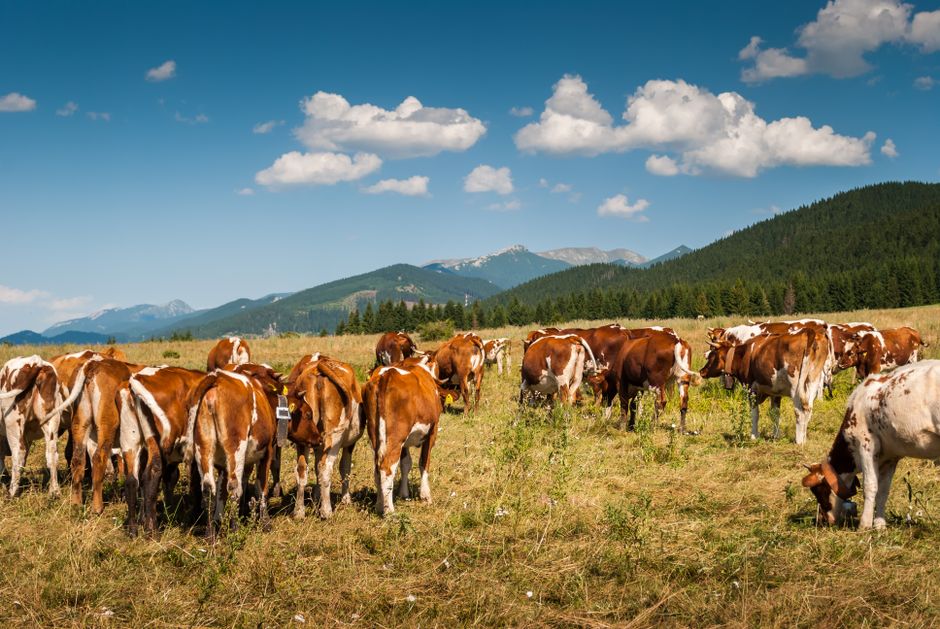
Early identification of foot rot is essential for minimizing the spread of infection and reducing downtime for affected animals. Foot rot is an infectious condition that most often affects cattle grazing in wet, muddy pastures, which are common in Taylorville and the greater central Illinois region during early summer.
Producers should watch for initial symptoms such as sudden lameness in one or more cattle. Affected animals often stand with one foot held forward, walk with a noticeable limp, or may be reluctant to move. Swelling typically appears above the hoof, particularly around the coronary band and between the digits. Upon closer inspection, you may notice a foul odor coming from the affected foot, as well as a reddened, raw lesion between the claws. In advanced cases, the swelling can extend up the leg and cause fever, loss of appetite, and decreased milk production or weight gain.
Prompt recognition of these warning signs can help producers seek intervention before the infection spreads throughout the herd or causes long-term hoof damage. If you are unsure whether your cattle are dealing with foot rot or another hoof problem, our veterinary team can perform a thorough evaluation and recommend the best course of action.
Understanding the Causes: Why Foot Rot Thrives in Wet Conditions
Foot rot in cattle is caused by a combination of environmental factors and bacterial infection. The primary bacteria responsible, Fusobacterium necrophorum, is commonly found in manure and wet soil. This pathogen invades the soft tissue between the toes when the skin is broken, often as a result of standing in wet, muddy, or manure-laden pastures.
The risk of foot rot increases significantly during periods of high rainfall, as seen throughout central Illinois summers. When pastures remain saturated, hooves soften, and minor abrasions or cracks occur more easily. Sharp objects such as stones, sticks, or ice from winter thaw can further damage the skin, creating entry points for bacteria. Overcrowded pastures, inadequate drainage, and poor manure management also contribute to outbreaks, while nutritional deficiencies—especially in zinc or copper—can weaken the natural barriers that protect the hoof.
Cattle with compromised immune systems, such as stressed or recently transported animals, are at greater risk. Additionally, certain breeds with wider interdigital spaces or weaker hoof conformation may be more susceptible. Understanding these risk factors can help producers make informed management decisions to reduce the likelihood of foot rot affecting their operation.
Treatment and Management of Foot Rot: What Producers Can Expect
If you suspect foot rot in your herd, timely treatment is critical. Most cases respond well to early intervention, allowing cattle to quickly return to normal grazing and productivity. Treatment typically involves cleaning and examining the affected foot, removing necrotic tissue as needed, and administering appropriate antibiotics to control the infection. In some cases, our veterinarians may recommend topical medications or foot baths to further reduce bacterial load.
For severe or advanced cases, additional measures such as bandaging, pain management, or even minor surgical intervention may be necessary. Our team will carefully evaluate each animal to determine the safest and most effective approach. Prompt treatment not only reduces suffering for affected cattle but also prevents the spread of infection to other animals in the herd.
It’s important for producers to follow withdrawal guidelines for any medications administered, especially if animals are being raised for meat or milk production. Our veterinary professionals will always provide clear instructions and are available to answer any questions about proper dosages, routes of administration, or expected recovery times.
For those needing support outside of regular hours, Countryside Veterinary Services provides Daytime Emergency Care veterinary services, ensuring that urgent cases can be addressed promptly during business hours.
Prevention Strategies: Protecting Your Herd from Foot Rot
Since foot rot is closely linked to environmental and management factors, prevention efforts should focus on minimizing risk conditions on your operation. Producers can start by improving pasture drainage to reduce persistent standing water after rain. Rotating cattle to drier paddocks, especially following heavy rainfall, helps limit exposure to mud and manure. Regularly removing debris, such as sharp stones or sticks, from high-traffic areas further decreases the risk of hoof injuries.
Maintaining proper stocking densities ensures cattle are not crowding in wet areas, while regular manure removal in holding pens and around waterers helps keep the environment cleaner. Providing supplemental minerals, particularly zinc and copper, supports healthy skin and hoof integrity, making it harder for bacteria to gain a foothold.
Developing a hoof care plan with your veterinary team—including regular observation, trimming, and scheduled herd health checks—can catch minor hoof issues before they turn into major problems. For producers interested in a comprehensive approach, our preventative care services for animals are designed to support overall herd wellbeing and productivity throughout the year.
When to Seek Veterinary Care for Foot Rot
While mild cases of foot rot may respond to early intervention, producers should contact a veterinarian if lameness persists for more than a day or two, if swelling spreads above the hoof, or if multiple animals are affected simultaneously. Immediate veterinary attention is warranted for cattle that are unable to bear weight, show signs of systemic illness such as fever or lethargy, or have deep or spreading lesions.
Delaying treatment can result in irreversible damage to the hoof structures, chronic lameness, or even the need for culling. Our experienced veterinary team in Taylorville is equipped to handle both routine and emergency situations, offering diagnostic expertise and a range of treatment options tailored to your herd’s specific needs. Producers should never hesitate to request a farm visit or bring in a sample for evaluation if they are concerned about the health of their cattle.
Supporting Producers Through Illinois Summers: Your Local Resource
Managing cattle health during the wet, humid summers of central Illinois requires both vigilance and practical knowledge. By recognizing the signs of foot rot early, understanding the conditions that promote infection, and adopting proactive prevention strategies, producers can protect their herds and bottom line from the costly impacts of this common disease.
At Countryside Veterinary Services, our commitment to Taylorville and surrounding communities means we are always ready to partner with producers—whether you need advice, routine care, or urgent support. If you ever find yourself searching for a "large animal vet near me," know that our team of veterinarians is just a call away. We encourage you to schedule an appointment for a herd health check or discuss preventative care options that fit your operation’s unique needs.
For more information or to arrange a visit, contact Countryside Veterinary Services at (770) 788-7387 or visit our practice location in Taylorville, IL. Producers can also learn more about our Farm/Production Animals veterinary services and Daytime Emergency Care veterinary services online. Together, we can help ensure your cattle thrive, rain or shine.
This article is intended for informational purposes only and does not replace professional veterinary advice. For herd-specific concerns or emergencies, always consult directly with your veterinarian or contact our practice for immediate assistance.