Preventing Summer Heatstroke in Illinois Pets and Livestock

Preventing Summer Heatstroke in Illinois Pets and Livestock
Summer in Taylorville, Illinois brings both joy and challenges for animal owners and producers alike. As the temperatures climb, concerns about heatstroke become all too real, whether you care for a beloved family dog, a herd of cattle, or a stable of horses. At Countryside Veterinary Services, located at 201 South Water Street, Taylorville, IL 62568, our veterinary team is committed to helping you recognize, prevent, and manage the risks of heat stress in every species you care for. This guide covers the critical signs of heatstroke, the underlying causes unique to both household pets and livestock, effective treatment and prevention strategies, and when it is time to seek professional care. Whether you are walking your dog through a sunny Taylorville park or checking on your cattle in the midday heat, being prepared can make all the difference for animal health and safety. For those seeking support with prevention or urgent care, our team also offers preventative care services for animal health year-round.
Recognizing Heatstroke: Spotting the Warning Signs in Pets, Livestock, and Horses
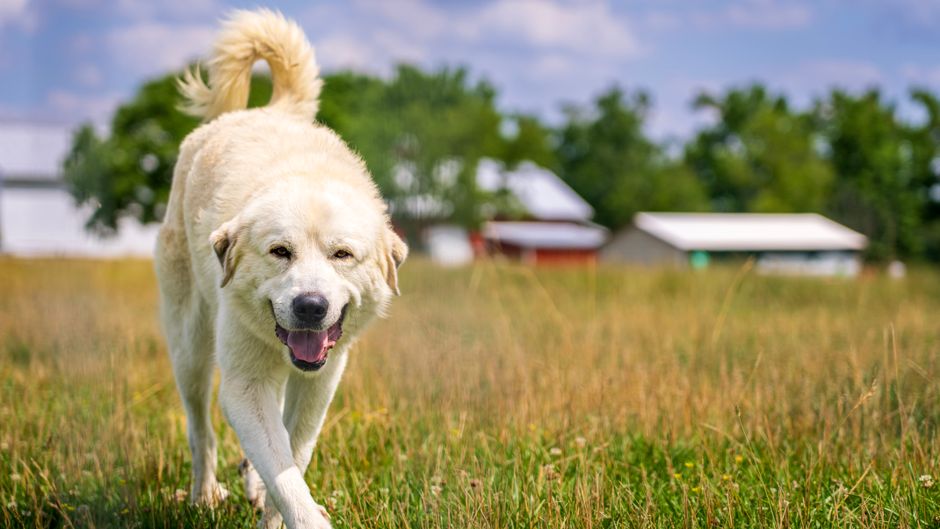
Heatstroke can strike any animal exposed to high temperatures, but early recognition is key to preventing tragedy. For pet owners, classic signs in dogs and cats include excessive panting, drooling, difficulty breathing, bright red gums, vomiting, lethargy, and collapse. Cats may also show open-mouth breathing or restlessness in the heat.
On the farm, producers should watch for symptoms such as rapid breathing, drooling, staggering, muscle tremors, reduced feed intake, and even sudden collapse in cattle, sheep, goats, and pigs. Heat-stressed livestock may crowd together in the shade, seek out water sources more frequently, or show reluctance to move. In severe cases, you may notice downed animals, which is always an emergency.
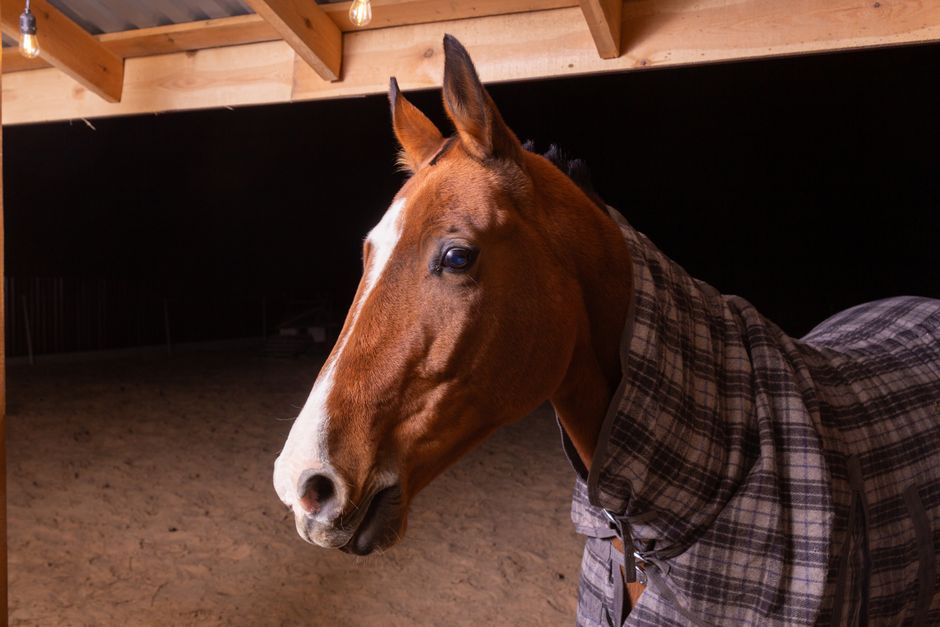
Horse owners should remain alert for similar warning signs in their animals. Horses suffering from heatstroke may sweat excessively, breathe rapidly, show signs of weakness or uncoordinated movement, or even develop a dangerously high temperature. Horses are particularly vulnerable during work or exercise on humid Illinois days, and foals or older horses may be affected even at rest.
No matter the species, any animal showing these symptoms during hot weather needs immediate attention. Recognizing these signs early allows for quick intervention and can be life-saving.
Why Does Heatstroke Happen? Understanding the Risks for Illinois Animals
Heatstroke occurs when an animal’s body is unable to dissipate excess heat, causing internal temperatures to rise to dangerous levels. In Taylorville and the surrounding communities, the combination of high humidity and soaring summer temperatures creates a perfect storm for heat stress. For companion animals, risk factors include being left in parked cars (even briefly), exercising during peak heat, or having limited access to shade and water. Short-nosed breeds, overweight pets, senior animals, and those with underlying health conditions are especially vulnerable.
For livestock producers, heat stress becomes a concern as daytime temperatures exceed 80 degrees Fahrenheit, especially when humidity is high. Animals with dark coats, those in crowded pens, or those lacking shade are at greater risk. Transportation, handling, and even standing in direct sun can elevate body temperatures quickly. Cattle, for example, generate additional heat during rumination and may struggle to cool down if airflow is restricted.
Horses face particular dangers when worked hard during hot, muggy days or when left in unventilated barns. Dehydration, poor airflow, and lack of access to fresh water all increase the risk. Even pasture horses can succumb to heat if they are overweight, blanketed, or unable to seek shelter.
Understanding these risks helps animal owners and producers create safer environments and make informed management decisions during the summer months.
Treatment and Management: What to Do if You Suspect Heatstroke
If you suspect heatstroke in your pet, livestock, or horse, immediate action is critical. For pet owners, the first step is to move your animal to a cooler area, offer fresh water, and wet their fur with cool (never cold) water. Avoid ice baths, as rapid cooling can cause additional complications. If your dog or cat is unresponsive, breathing irregularly, or seizing, seek veterinary assistance without delay.
Producers should act quickly by moving affected livestock or horses into the shade, hosing them down with cool water, and providing ventilation with fans if possible. Misting systems, if available, can help lower body temperatures. Offer clean, cool water but do not force animals to drink if they are unable. Downed animals or those showing severe signs need prompt assessment by a veterinarian.
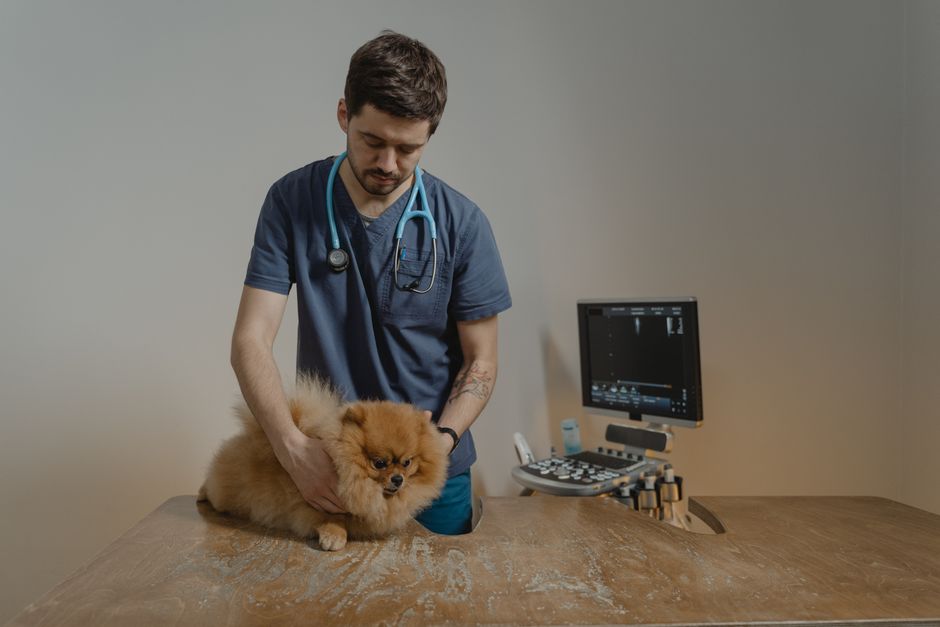
Our veterinary team at Countryside Veterinary Services can provide emergency veterinary care during regular business hours for animals suffering from heatstroke. Treatment may involve intravenous fluids, oxygen therapy, and careful monitoring of vital signs. Rapid intervention improves outcomes and decreases the risk of organ damage or death.
For horses, immediate cooling is essential. Walk the horse slowly in a shaded area, spray cool water over the entire body, and use fans if available. Remove tack and offer small sips of water. Horses with signs of distress, persistent high temperature, or inability to stand should be evaluated by a veterinarian as soon as possible.
Remember, heatstroke is a true emergency in all species, and professional veterinary care is often needed to ensure a full recovery.
Prevention Strategies: Keeping Animals Safe During the Summer Heat
Preventing heatstroke starts with thoughtful management and attentive care. For pet owners, the most effective steps include walking dogs early in the morning or late in the evening, providing unlimited access to fresh water, and ensuring pets have a shaded, ventilated area to rest. Never leave dogs or cats unattended in vehicles, even for a few minutes, as temperatures can rise to deadly levels quickly. Regular wellness examinations help identify pets at higher risk and allow for tailored advice from your veterinarian.
For livestock producers, prevention involves providing shade structures or natural tree cover, maintaining well-functioning waterers, and adjusting feeding times to cooler parts of the day. Consider reducing handling, transportation, or processing activities during peak heat. High-producing dairy cows, feedlot cattle, and animals with heavy coats require extra attention during heatwaves. Monitoring weather forecasts and implementing heat abatement strategies, such as sprinkler systems or fans, can significantly reduce losses.
Horse owners should ensure pastured animals have access to shelter and that water troughs are checked and cleaned regularly. When riding or exercising horses, choose cooler times of day, take frequent breaks, and monitor for any signs of distress. Electrolyte supplements may be beneficial for horses working hard in the heat, but always consult with your veterinarian before making changes to your horse’s diet or management routine.
Whether you care for a single family dog or manage a large herd, proactive steps before and during hot weather can keep animals comfortable and healthy all summer long.
When to Seek Veterinary Care: Acting Fast Can Save Lives
Knowing when to call for help is crucial during cases of suspected heatstroke. Pet owners should contact a veterinarian immediately if their dog or cat is lethargic, collapsing, vomiting, or displaying abnormal breathing after exposure to heat. Even if your pet seems to recover quickly, complications such as kidney damage or clotting disorders can develop hours later, so a professional exam is always recommended.
Producers should request a veterinary visit right away for livestock showing signs such as persistent panting, drooling, muscle tremors, inability to rise, or altered behavior during hot weather. Downed cattle, sheep, or goats require urgent attention. If you manage a large operation, consider establishing a heat emergency protocol with your veterinary team to minimize losses during severe weather events.
Horse owners should call for veterinary support without delay if their horse remains distressed, fails to cool down within 10-15 minutes, or exhibits neurological symptoms such as incoordination or seizures. Rapid intervention may be necessary to prevent long-term complications or death.
Our veterinarians at Countryside Veterinary Services provide herd health services and on-farm herd evaluations for livestock, as well as equine veterinary care for local horse owners. For emergency situations outside of regular business hours, we can refer you to nearby 24/7 facilities, such as the University of Illinois Veterinary Teaching Hospital or the Small Animals Emergency Clinic in Springfield.
Never hesitate to reach out if you are unsure whether your animal needs medical attention; acting quickly in cases of heatstroke can mean the difference between recovery and tragedy.
Protecting Every Animal: The Importance of Ongoing Veterinary Support
Preventing summer heatstroke in Illinois pets and livestock is a shared responsibility that starts with awareness and preparation. By recognizing warning signs, understanding risk factors, and taking practical steps to reduce heat exposure, you can protect your animals through even the hottest months. At Countryside Veterinary Services, our veterinary professionals are dedicated to supporting pet owners, producers, and horse owners across Taylorville and surrounding communities with compassionate, knowledgeable care.
If you have questions about heatstroke prevention, want to schedule a wellness examination, or need urgent support, our team is ready to assist. To schedule an appointment or discuss specific concerns, call (770) 788-7387 or visit us at 201 South Water Street, Taylorville, IL 62568. When searching for a veterinarian near me you can trust, remember that local expertise and a caring approach make all the difference.
For additional information about our preventative care services for animal health, wellness examinations, or herd health services, explore our website or reach out directly. Your animals’ comfort and safety are always our top priority, and we are honored to be your partner in animal health throughout the summer and beyond.