Protecting Pets From Ticks and Fleas in Taylorville This Spring

Protecting Pets From Ticks and Fleas in Taylorville This Spring
As the days grow warmer and spring returns to Taylorville, pet owners begin to enjoy more time outside with their dogs, cats, and even larger animals. Unfortunately, this beautiful season also signals the return of some unwelcome guests: ticks and fleas. These tiny parasites can cause serious discomfort for your pets and can even transmit dangerous diseases. At Countryside Veterinary Services, conveniently located at 201 South Water Street, Taylorville, IL 62568, our veterinary team is committed to helping you keep your pets safe and healthy all spring and summer long. In this blog, we will discuss how to recognize signs of tick and flea infestations, why these pests are a bigger problem in spring, what you can do to prevent them, and when to seek professional help. We also offer a range of preventative care services that can be tailored to your pet’s unique needs.
Whether you are strolling through the park in Taylorville or caring for pets on your property, understanding how to protect them from ticks and fleas is essential. Our team of veterinarians is here to support you at every step, offering practical advice, effective treatments, and compassionate care for both small and large animals.
Spotting the Signs: How to Recognize Tick and Flea Problems in Your Pet
Many pet owners are surprised by how quickly a tick or flea problem can develop. The early signs of a flea infestation include frequent scratching or biting at the skin, the appearance of tiny black specks (flea dirt) on your pet’s fur or bedding, and areas of red, irritated skin. Some pets develop hair loss, scabs, or even skin infections if the problem persists. With ticks, you may notice an engorged parasite attached to your pet’s skin, especially around the ears, neck, or between the toes. Dogs and cats may seem lethargic or develop a loss of appetite if they are carrying ticks, particularly if a tick-borne illness is present.
In addition to cats and dogs, pocket pets, rabbits, and even horses or farm animals can be affected by these pests. Signs in larger animals might include restlessness, excessive grooming, or evidence of ticks in the mane, tail, or under the jawline. Because tick and flea infestations can sometimes be subtle, regular checks during grooming or after outdoor activities are key.
If you observe symptoms such as persistent scratching, visible parasites, or sudden changes in behavior, it is important to act promptly. Early detection not only helps relieve your pet’s discomfort but can also prevent more serious health issues.
Understanding the Problem: Why Ticks and Fleas Thrive in Taylorville’s Spring
Spring in Taylorville brings mild temperatures and increased humidity, which create the perfect environment for fleas and ticks to thrive. After lying dormant through the winter, these parasites become active as soon as the ground thaws and outdoor activity increases. Wildlife, such as squirrels, deer, and stray animals, can introduce new infestations to your yard or property. Once established, fleas can quickly multiply, as a single female flea can lay hundreds of eggs in just a few weeks.
Ticks are especially prevalent in grassy areas, wooded trails, and along the edges of fields. Even a short walk through tall grass can result in a tick latching onto your pet. Pets that spend time outdoors, whether for exercise or farm work, are at higher risk. In addition to causing local irritation, ticks can transmit diseases like Lyme disease, ehrlichiosis, and Rocky Mountain spotted fever, while fleas can spread tapeworms and cause allergic dermatitis.
The presence of livestock or multiple pets can make the challenge even greater, as pests can easily move from one animal to another. Understanding local risks and seasonal patterns is the first step in effective prevention.
Professional Treatment and Management: What to Expect From Your Veterinarian
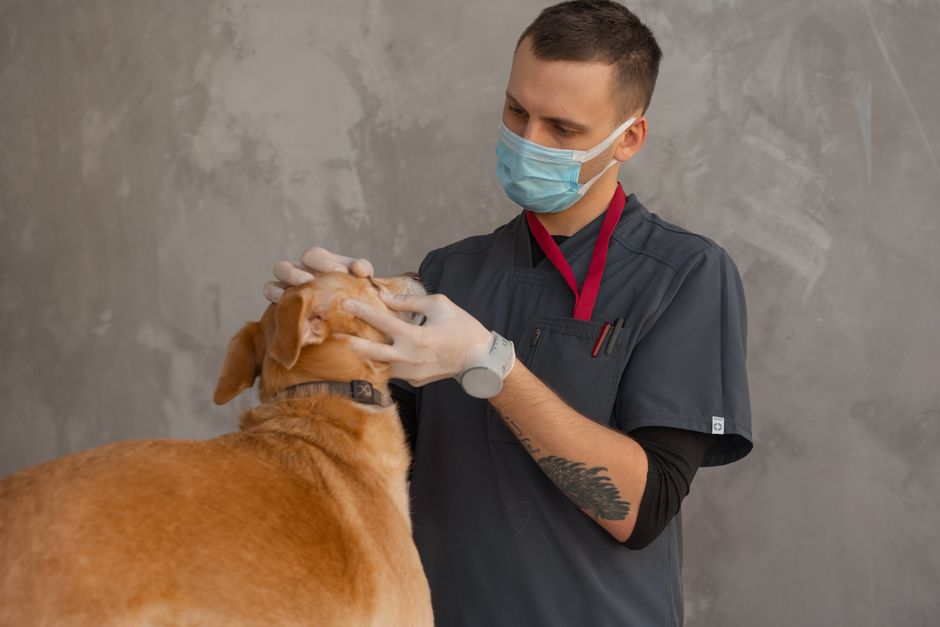
If you suspect your pet has a tick or flea problem, scheduling an appointment with our veterinary team is the best way to ensure prompt and effective care. At Countryside Veterinary Services, we begin with a thorough examination to assess the extent of the infestation and check for any related health issues, such as skin infections or signs of tick-borne diseases. Our veterinarians may recommend diagnostic testing if your pet shows signs of illness or if you have concerns about disease transmission.
Treatment options involve a combination of topical or oral medications designed to kill existing parasites and prevent new infestations. For dogs and cats, we may prescribe monthly preventives, medicated shampoos, or in some cases, injectable products. For rabbits, ferrets, or pocket pets, we tailor our approach to ensure safety and efficacy, as not all medications are suitable for every species. Large animals, such as horses or goats, may require specialized sprays or pour-on treatments.
In situations where infestations are severe or have caused secondary health issues, additional treatments such as antibiotics for bacterial infections, anti-inflammatory medications for allergic reactions, or supportive care for anemia may be necessary. Our team will work closely with you to develop a treatment plan that addresses your pet’s unique needs and living environment.
If you have recently boarded your pet or are planning to, rest assured that our pet boarding services include monitoring and prevention of ticks and fleas, reducing the risk of exposure during their stay.
Prevention and Home Care: Steps to Keep Your Pet Safe
Preventing tick and flea infestations is always easier than treating them after the fact. Consistent use of veterinarian-recommended preventives is the most effective way to protect your pet. These can include monthly oral chews, topical spot-on treatments, or collars that provide long-term protection. Your veterinarian can help you choose the best product for your pet’s species, age, and lifestyle.
Regular grooming and inspection are important, especially after your pet has spent time outdoors. Running a fine-toothed comb through your pet’s fur can help you spot fleas or flea dirt before a full infestation takes hold. For ticks, pay close attention to areas such as under the collar, around the ears, and between the toes. Prompt removal of any ticks is crucial; use fine-tipped tweezers, grasp the tick as close to the skin as possible, and pull straight out.
Keeping your home and yard clean is another vital step. Vacuum carpets, wash pet bedding frequently, and consider treating your yard with pet-safe products to reduce flea and tick populations. If you have multiple pets or farm animals, ensure all animals are treated simultaneously to prevent reinfestation.
For households with pocket pets or rabbits, choosing safe and species-appropriate preventives is essential. Our team can provide guidance on wellness care for pocket pets, including parasite prevention tailored to their needs.
When to Seek Veterinary Care: Protecting Your Pet’s Health
While minor tick or flea issues can sometimes be managed at home, there are situations where professional veterinary care is strongly recommended. If you notice heavy infestations, persistent scratching that leads to sores or hair loss, signs of illness such as fever, lethargy, or loss of appetite, or if your pet is very young, old, or has existing health conditions, contact our team as soon as possible. Some pets may develop allergic reactions or secondary skin infections that require prescription medications.
Additionally, if you are unsure which preventive is safest or most effective for your pet, or if your current prevention program is not working, our veterinarians are here to help. Prompt veterinary attention is especially important for pets that show signs of tick-borne or flea-borne diseases, as these can progress rapidly without treatment.
If you experience a sudden problem after returning from a boarding facility, trip to the groomer, or day at the park, do not hesitate to reach out. Our team can provide guidance, thorough examinations, and effective treatments to get your pet back on track.
Remember that regular wellness examinations are a key part of early detection and prevention, helping ensure your pet stays healthy and parasite-free throughout the year.
Keeping Your Pet Comfortable and Protected: Your Next Steps
Spring is a wonderful time to enjoy the outdoors with your pets, but it also brings increased risks from ticks and fleas. Being proactive about prevention, staying alert for early warning signs, and knowing when to seek help are the best ways to protect your furry family members. At Countryside Veterinary Services, our veterinarians are dedicated to supporting pet owners in Taylorville and the surrounding communities with personalized care, up-to-date prevention strategies, and prompt treatment when needed.
If you have questions about tick or flea control, or if you would like to schedule a preventive care appointment, contact us today at (770) 788-7387. Our veterinary team will work with you to develop a plan that keeps your pet safe, whether they are a playful puppy, a cherished cat, or a hardworking farm animal. When searching for a vet near me, know that you have a compassionate, experienced partner right here in Taylorville.
For more information about our full range of preventative care services or to book a wellness examination, visit us at 201 South Water Street, Taylorville, IL 62568. Together, we can help your pets thrive all season long.
This blog is intended for informational purposes only and does not replace professional veterinary advice. Always consult your veterinarian for specific concerns or before starting any new treatment.