Protecting Your Herd: Common Summer Parasite Risks in Cattle
Protecting Your Herd: Common Summer Parasite Risks in Cattle
As summer arrives in Taylorville, IL, cattle producers face a unique set of challenges tied to the warm, wet conditions that June brings. Among the most persistent threats to herd health and productivity are parasites that thrive in these seasonal environments. Whether you manage a small cow-calf operation or oversee a larger herd, understanding how to identify, prevent, and control these summer parasites is essential to maintaining healthy and productive livestock. At Countryside Veterinary Services, our team of veterinarians is committed to providing comprehensive care and support for producers in Taylorville and surrounding communities, helping you navigate these seasonal risks with confidence. In this article, we will explore the most common summer parasite threats to cattle, how to recognize their impacts, effective management strategies, and when to seek veterinary guidance to protect your operation’s bottom line.
Recognizing Summer Parasite Problems in Cattle
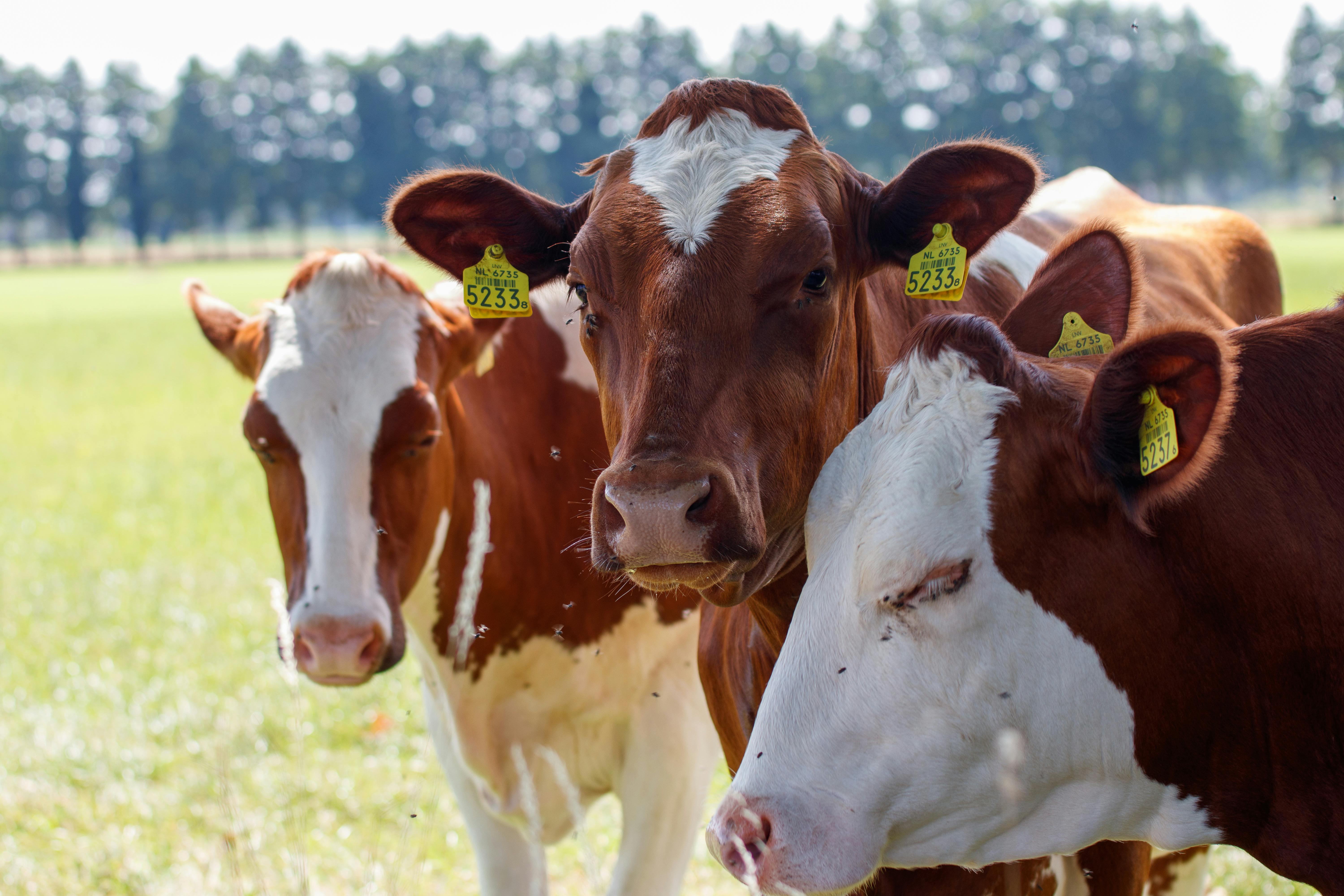
Summer parasites can affect cattle of all ages, but young calves and animals with underlying health issues are particularly vulnerable. Early recognition of a parasite problem is key to minimizing losses and maintaining herd performance. Common warning signs of parasite infestations include unexplained weight loss or poor weight gain, visible signs of irritation such as tail switching or excessive scratching, rough or patchy coats, and pale mucous membranes that may indicate anemia. In some cases, producers may notice decreased appetite, diarrhea, or general lethargy among affected animals. Heavy parasite burdens can also impact reproductive performance, milk production, and immune function, making routine monitoring essential during the summer months. Observing your cattle closely during daily checks and noting any changes in appearance, behavior, or performance can provide early clues that parasites may be at play.
Specific Parasites to Watch For
In Central Illinois, key summer parasite threats include both internal and external species. Internal parasites such as gastrointestinal roundworms (including Ostertagia and Cooperia), coccidia, and liver flukes are common, especially in herds grazing wet or low-lying pastures. External parasites like horn flies, stable flies, lice, and ticks increase in prevalence as temperatures rise, often congregating around the eyes, shoulders, back, and flanks of cattle. Each type of parasite presents its own set of challenges, but all can cause significant discomfort and production losses if left unchecked.
Why Parasite Risks Increase During the Summer
Summer’s warm temperatures and increased rainfall create ideal conditions for parasite development and transmission. Lush pasture growth encourages cattle to graze lower to the ground, increasing the likelihood of ingesting parasite larvae. Wet conditions also promote the survival of fly eggs, larvae, and ticks in the environment. Cattle congregating around water sources or in shaded areas can facilitate the spread of both internal and external parasites within the herd.
Calving season timing plays a role as well. Young calves born in the spring are particularly susceptible to parasites during their first summer grazing period, as their immune systems are still developing. Additionally, adult cattle can act as reservoirs, shedding parasite eggs and larvae onto pastures where new infections can occur. Without proper control measures, parasite populations can build quickly, leading to outbreaks and economic losses.
The Impact on Herd Health and Productivity
Unchecked parasite infestations can have far-reaching consequences for cattle operations. Economic impacts include reduced average daily gains, lower weaning weights, poor reproductive efficiency, and increased susceptibility to other diseases. Fly irritation alone can reduce grazing time and feed efficiency, while blood loss from heavy infestations may lead to anemia and decreased milk production. By understanding these risks and their underlying causes, producers can take proactive steps to minimize losses and support herd health through the high-risk summer months.
Managing and Treating Summer Parasites in Cattle
Effective parasite management requires a multi-faceted approach tailored to the needs of your herd and the specific risks present in your operation. The veterinary professionals at Countryside Veterinary Services can assist producers in developing a comprehensive parasite control program that combines strategic deworming, fly control, and pasture management.
Deworming and Internal Parasite Control
Strategic deworming remains a cornerstone of internal parasite management. Treatment approaches involve timing deworming to break the lifecycle of common roundworms and flukes, often targeting early summer and again in late summer or early fall, depending on pasture conditions and fecal egg counts. Our veterinarians may recommend rotating classes of dewormers to reduce the risk of resistance and may suggest fecal monitoring to guide treatment decisions. It is important to base deworming protocols on actual parasite burdens rather than a fixed calendar schedule, as overuse of anthelmintics can contribute to resistance issues.
Fly and External Parasite Management
Controlling external parasites such as flies and ticks involves both chemical and non-chemical strategies. Treatment options include pour-on or spray insecticides, insecticide ear tags, and feed-through larvicides that reduce fly populations by targeting larvae in manure. Regularly cleaning and managing manure, providing clean bedding, and rotating pastures can help break the lifecycle of external parasites. Physical barriers like fly rubs or back rubbers placed in areas where cattle congregate can also be effective. In cases of severe infestation, our veterinary team may recommend targeted treatments based on the species and severity of the problem.
Pasture and Environmental Strategies
Pasture rotation and rest periods can play a significant role in reducing parasite pressure. Allowing pastures to rest and avoiding overgrazing minimizes the concentration of parasite larvae on grass. Keeping water sources clean and minimizing standing water helps control mosquito and fly breeding. For herds with access to multiple grazing areas, moving cattle to less contaminated pastures can lower exposure risk. Our team can advise on pasture management practices that best suit your operation’s resources and grazing patterns.
Preventing Summer Parasite Problems: Proactive Steps for Producers
Preventing parasite problems is far more effective—and economical—than reacting to outbreaks after they occur. Actionable steps for producers include maintaining a regular herd health calendar that incorporates fecal testing, timely deworming, and routine fly control measures. Monitoring cattle for early signs of infestation during daily checks, especially in calves and youngstock, supports prompt intervention. Keeping records of treatments and parasite burdens over time allows for data-driven adjustments to your management program.
In addition to chemical controls, environmental management—such as pasture rotation, manure management, and maintaining clean water sources—provides long-term benefits. Encouraging cattle to graze taller grass when possible reduces ingestion of parasite larvae found closer to the ground. Quarantining new arrivals and maintaining closed herds when feasible reduces the introduction of new parasite strains. Our veterinary team can help you develop a prevention plan that fits your unique operation and minimizes the risk of resistance development.
When to Seek Veterinary Care for Parasite Issues
While many producers are experienced in routine parasite control, there are times when professional veterinary input is essential. Contact Countryside Veterinary Services if you notice persistent or severe signs of parasite infestation, such as ongoing weight loss, persistent diarrhea, pale mucous membranes, or unexplained drops in milk production or reproductive performance. If your current parasite control program does not seem effective, or if you are concerned about resistance to dewormers or insecticides, our veterinarians can assess your herd, perform diagnostic testing, and recommend a customized management plan.
It is also important to seek veterinary guidance before introducing new animals to the herd or making significant changes to your pasture management strategies. Our team is equipped to assist with fecal egg count testing, parasite identification, and advice on the safest and most effective products for your specific needs. Early intervention can mean the difference between a minor setback and a major challenge for your operation.
Supporting Your Herd’s Health All Summer Long
Summer parasites are a fact of life for cattle producers in Taylorville and the surrounding areas, but with vigilance and proactive management, their impacts can be minimized. By staying alert for early warning signs, implementing strategic control measures, and partnering with a knowledgeable veterinary team, you can keep your herd healthy, productive, and ready for the demands of the season. At Countryside Veterinary Services, our veterinarians are proud to support local producers with expert guidance, routine herd health services, and prompt assistance when challenges arise.
If you are planning your summer parasite prevention program or need help addressing a current issue, we invite you to schedule an appointment with our experienced veterinary team. Whether you are searching for a "vet near me" with expertise in both small and large animal care, or require on-farm support for your cattle, we are ready to help protect your investment and animal wellbeing. Contact Countryside Veterinary Services at (770) 788-7387 or visit us in Taylorville, IL to learn more about our comprehensive services for beef and dairy operations. Your herd’s health is our top priority—let’s work together to make this summer a productive and healthy season for your cattle.
Disclaimer: This article is intended for informational purposes only and does not replace professional veterinary advice. Always consult with your veterinarian for specific recommendations tailored to your herd and operation.