Spotting Early Allergy Signs in Pets This March

Spotting Early Allergy Signs in Pets This March
As spring arrives in Taylorville and the surrounding communities, many pet owners notice their animals scratching, licking, or sneezing more than usual. While a little itchiness or the occasional sneeze can be normal, these signs might indicate the start of seasonal allergies. Allergies are not just a human problem; pets, including dogs, cats, and even farm animals, can develop sensitivities to pollen, mold, dust, and other environmental triggers. At Countryside Veterinary Services, located at 201 South Water Street, Taylorville, IL 62568, our veterinary team is dedicated to helping you spot early signs of allergies and providing expert care to keep your pets comfortable all spring long. In this blog, we’ll explore the most common allergy signs in pets, what causes allergies in animals, how our veterinarians diagnose and treat these conditions, and what you can do at home to help your pet feel their best. If you’re concerned about your pet’s symptoms or want to learn more about our allergy testing services, keep reading to discover how we can help.
Recognizing Early Allergy Signs in Dogs, Cats, and Farm Animals
Springtime in Taylorville means budding trees, blooming flowers, and a surge in airborne allergens. For pets, the earliest signs of allergies often appear as subtle changes in behavior or skin health. Dogs may start scratching at their ears, licking their paws excessively, or developing red, irritated skin on their belly or legs. Cats might groom themselves more than usual, leading to bald patches, or rub their face against furniture in an attempt to relieve itchiness. Farm animals, such as horses and goats, can develop watery eyes, patchy hair loss, or persistent scratching against fences and posts.
Key symptoms of allergies in pets include frequent scratching, chewing at their feet or tail base, red or inflamed skin, recurrent ear infections, sneezing, watery eyes, and a noticeable increase in grooming or rubbing. You may also observe changes in your pet’s energy, with some animals becoming restless or irritable due to discomfort. In more severe cases, skin infections can develop if the itching leads to open sores. For farm animals, allergies can sometimes show up as respiratory issues like coughing or nasal discharge, especially during high pollen days.
The earlier you recognize these warning signs, the sooner you can seek help from our veterinary professionals. Early intervention is essential because untreated allergies can lead to chronic skin conditions, secondary infections, and a significant drop in your pet’s quality of life.
Why Do Pets Develop Allergies? Understanding the Causes
Just like people, pets can develop allergies when their immune system overreacts to certain substances in their environment. In Taylorville and the surrounding countryside, the most common triggers during March and throughout spring include tree and grass pollens, mold spores, dust mites, and even certain foods or flea bites.
Allergies in pets are the result of a complex interplay between genetics and environmental exposure. Some breeds of dogs and cats are more prone to developing allergies, and animals with a history of skin problems may be at higher risk. Seasonal allergies, often called atopic dermatitis, usually show up when plants begin to bloom and pollen counts rise. However, some pets can be allergic to substances present year-round, such as dust, cleaning products, or certain ingredients in their diet.
Farm animals are not immune to these challenges. Horses can develop a condition called “sweet itch,” which is a reaction to bites from tiny midges, while cattle and goats may show respiratory or skin symptoms when exposed to certain plants or molds in their bedding.
Understanding the cause of your pet’s allergies is the first step toward effective treatment. Our veterinarians may recommend allergy testing or a thorough wellness examination to identify the exact triggers and rule out other health issues that can mimic allergy symptoms.
How Allergies Are Diagnosed and Treated at Countryside Veterinary Services
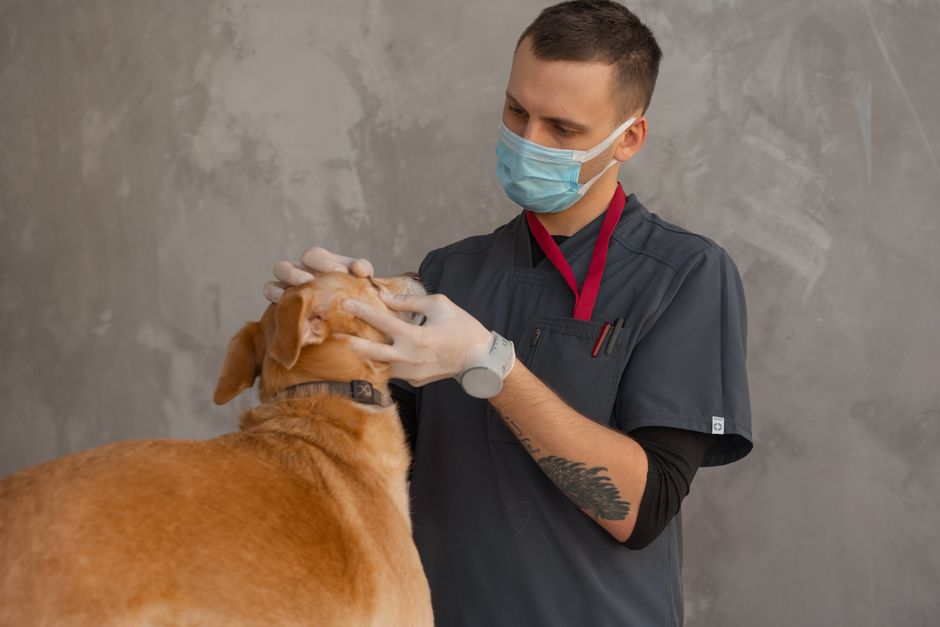
When you bring your pet to our Taylorville clinic for allergy concerns, our veterinary team will begin by taking a detailed history of your pet’s symptoms, environment, and diet. We then perform a physical examination, paying close attention to the skin, ears, and coat condition. Diagnostic steps may include skin scrapings, cytology to check for infections, and bloodwork to rule out other causes.
For pets with persistent or severe symptoms, our veterinarians may recommend advanced allergy testing to pinpoint specific allergens. This can involve blood tests or intradermal skin tests, depending on your pet’s needs. In some cases, eliminating certain foods or environmental factors may help narrow down the culprit.
Treatment options for pet allergies vary based on the severity and type of symptoms. For mild cases, management might involve regular bathing with medicated shampoos, topical sprays to relieve itching, and environmental modifications such as frequent washing of bedding. For pets with moderate to severe allergies, our veterinarians may prescribe oral or injectable medications to control itching and inflammation. These might include antihistamines, corticosteroids, or newer medications designed specifically for allergic pets.
We also offer specialized dermatology services for pets with challenging or chronic skin conditions. For some pets, allergy desensitization therapy (immunotherapy) may be recommended, which involves giving small doses of the allergen to build tolerance over time.
For farm animals, treatment may involve topical ointments, fly control measures, or adjustments to their environment to reduce exposure to allergens. Our veterinarians work closely with you to create a tailored plan that fits your animal’s needs and your management goals.
Preventing Allergies and Supporting Your Pet at Home
While it may not be possible to prevent every case of allergies, there are several steps you can take to minimize your pet’s exposure and provide relief at home. Regularly bathing your dog or cat can help remove pollen and allergens from their coat; choosing a gentle, hypoallergenic shampoo is usually best. Wiping your pet’s paws and belly after outdoor walks can reduce the amount of pollen they bring inside. Keeping windows closed during peak pollen times, using air purifiers, and washing pet bedding frequently can also lower indoor allergen levels.
For pets with food sensitivities, working with our veterinary team to select a suitable diet can make a significant difference. Flea prevention is critical, as flea bites are one of the most common triggers for allergic reactions, especially in dogs and cats.
Farm animal owners can help by maintaining clean, dry bedding, rotating pastures to avoid high pollen exposure, and using appropriate fly control measures. Monitoring your animals for early signs of discomfort and acting quickly can prevent small problems from escalating.
Remember, every pet is unique, and what works for one animal may not be effective for another. Our veterinarians are here to guide you through the process and recommend personalized preventive care options. For more information about keeping your pet healthy year-round, visit our preventive care page.
When to Schedule a Veterinary Appointment for Allergy Symptoms
If your pet is showing signs of allergies such as persistent scratching, red or inflamed skin, hair loss, frequent licking, or recurring ear infections, it’s time to schedule an appointment with our veterinary team. Severe symptoms like open sores, constant discomfort, changes in appetite, or respiratory issues in farm animals should never be ignored, as these may indicate a more serious underlying condition.
Prompt veterinary care ensures that your pet receives an accurate diagnosis and effective treatment plan. Our veterinarians can help you manage symptoms, prevent complications, and improve your pet’s quality of life. Ignoring allergy symptoms can allow them to worsen, leading to chronic infections or even behavioral changes due to ongoing discomfort.
If you are searching for a “vet near me” who understands the unique allergy challenges pets face in Taylorville and the surrounding area, our team at Countryside Veterinary Services is ready to help. We welcome pets of all shapes and sizes, from playful puppies and kittens to hardworking farm animals.
Take Action for Your Pet’s Comfort This Spring
Catching allergy symptoms early can make all the difference for your pet’s health and happiness this March. If you notice increased scratching, licking, or any changes in your pet’s behavior or skin, don’t wait for the symptoms to get worse. Our veterinary professionals at Countryside Veterinary Services are here to support you with comprehensive exams, allergy testing, and personalized treatment plans tailored to your pet’s needs.
To schedule an appointment or discuss your concerns, call us at (770) 788-7387, or stop by our convenient location at 201 South Water Street, Taylorville, IL 62568. Our veterinarians are committed to providing compassionate, expert care to keep your pets comfortable all season long. For more resources on preventive care or to learn about our full range of services, visit our wellness examination page. Your pet’s comfort is our priority, and we look forward to partnering with you to keep them healthy and happy this spring.