Springtime Horse Care: Managing Wet Weather Risks in May
Springtime Horse Care: Managing Wet Weather Risks in May
Spring in Taylorville, Illinois, means two things for horse owners: lush green pastures and plenty of rain. As the grass grows and paddocks turn muddy, May brings a new set of challenges for maintaining your horse’s health and comfort. At Countryside Veterinary Services, located at 201 South Water Street, Taylorville, IL 62568, our equine veterinary team understands how seasonal shifts can impact everything from hoof integrity to respiratory wellness. In this guide, you will discover how wet weather affects horses, the most common issues to watch for in May, and practical steps you can take to keep your horse thriving despite the mud and moisture. We will also share how our experienced veterinarians can help you prevent and manage these conditions with a focus on comprehensive, year-round equine veterinary care right here in Taylorville and surrounding communities.
Recognizing Springtime Health Concerns in Horses
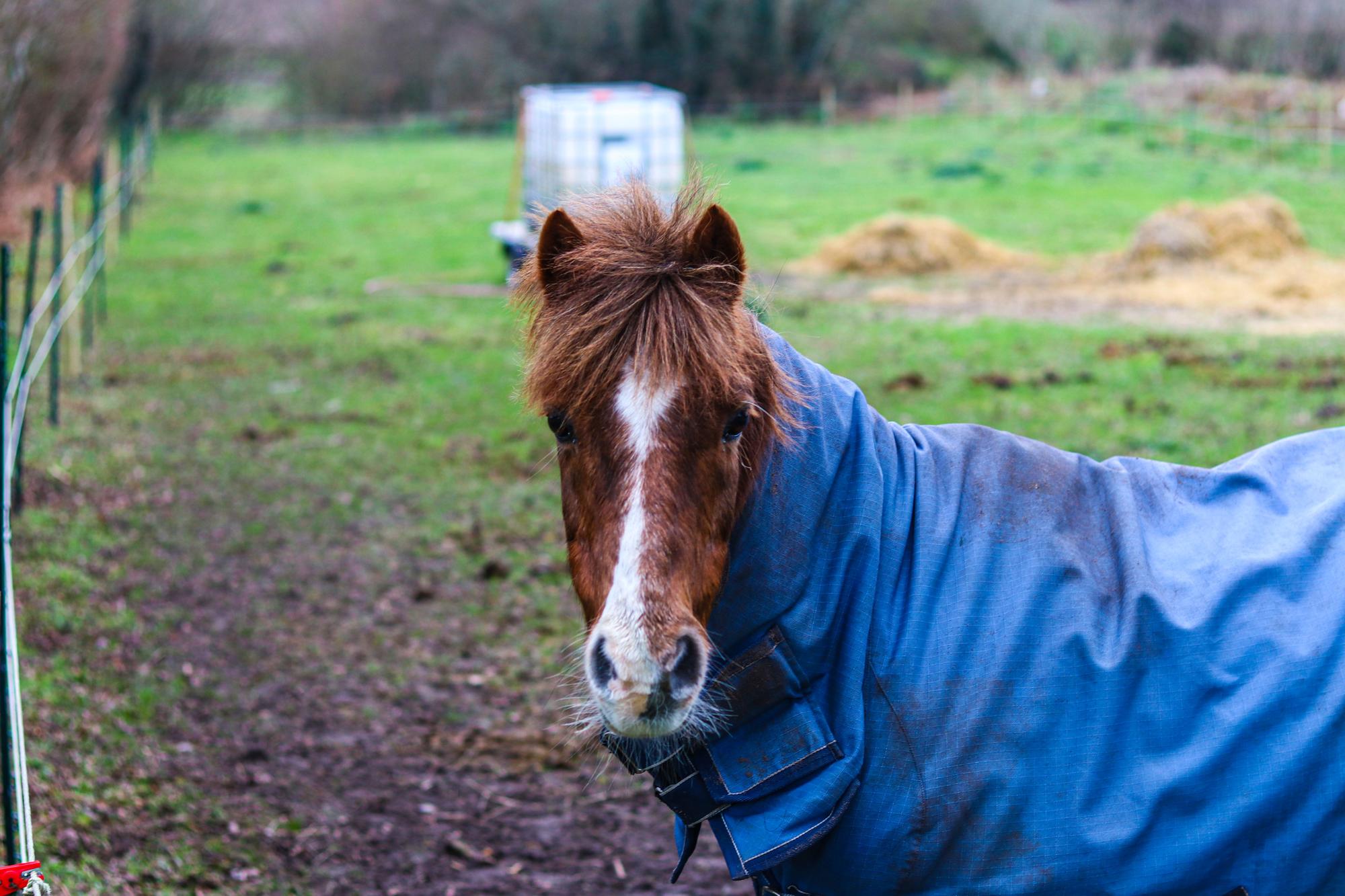
As rainfall increases and paddocks become saturated, horse owners should be especially vigilant for health issues that are common in wet, muddy environments. Hoof problems are among the most frequent concerns during this time. Conditions such as thrush, hoof abscesses, and softening of the sole often develop rapidly in persistent moisture. Key symptoms include a foul odor from the hoof, a dark or black discharge around the frog, sudden lameness, or visible swelling above the hoof. Additionally, the mud can create ideal conditions for skin infections like pastern dermatitis, often called "scratches" or "mud fever." Horses affected by these conditions may show scabby sores, hair loss, or inflamed skin on the lower legs.
Respiratory issues are another springtime risk, especially when horses spend time in poorly ventilated barns during storms. Watch for signs such as coughing, nasal discharge, or increased respiratory effort, which may signal problems like allergies or early respiratory infections. Beyond these, wet weather can lead to weight fluctuations if grazing habits change or if horses spend less time moving due to slick footing. Recognizing these early warning signs allows you to act quickly and seek professional guidance, minimizing discomfort and preventing complications.
Why Wet Weather Brings Added Risk for Horses
Understanding why spring rains pose such a threat to equine health begins with a look at how moisture interacts with a horse’s daily environment. Hooves are naturally designed to withstand a range of conditions, but consistent exposure to wet ground causes the horn tissue to soften. This makes the hoof more vulnerable to invasive bacteria and fungi, which are ever-present in mud and manure. As a result, thrush develops more readily, and the risk of sole bruising or abscess formation rises as softened hooves become less resilient against rocks or hard objects hidden in the mud.
Skin infections flourish in wet, dirty conditions because constant moisture breaks down the natural protective barrier of the skin. Bacteria and fungi easily penetrate these compromised areas, especially on the pasterns and fetlocks where mud tends to accumulate. Horses with white socks or light-colored legs may be particularly susceptible, as their skin is often more sensitive.
Indoor stabling during spring storms carries its own risks. Damp bedding, poor ventilation, and increased ammonia levels can irritate the respiratory tract. Horses with allergies or chronic respiratory conditions may experience flare-ups when confined indoors for longer stretches. The combination of less exercise and changes to diet or turnout routines can also impact a horse’s digestive health and body condition, further complicating the spring transition.
Professional Treatment and Management for Springtime Equine Issues
If you notice your horse developing lameness, hoof odor, or signs of skin infection, prompt evaluation by a veterinary professional is essential. At Countryside Veterinary Services, our equine veterinary team uses thorough diagnostic techniques to identify the root cause of lameness or infection. Treatment for hoof problems such as thrush often involves trimming away affected tissue, applying topical antiseptics, and recommending changes to your horse’s environment to reduce moisture. Hoof abscesses are managed by locating and draining the infected area to relieve pressure, followed by proper bandaging and aftercare instructions.
For skin infections like mud fever, our veterinarians may prescribe topical or systemic treatments based on the severity. This could include antimicrobial shampoos, ointments, and in more severe cases, oral or injectable antibiotics. It’s critical to remove your horse from muddy turnout areas and keep affected legs as clean and dry as possible throughout the recovery period.
Respiratory concerns are addressed by evaluating the barn environment, assessing your horse’s breathing, and recommending appropriate interventions. This may include improving ventilation, changing bedding types, or administering medications to reduce airway inflammation. Weight management and nutrition are also discussed during spring wellness examinations, ensuring your horse’s diet is aligned with their changing activity and grazing patterns. Scheduling a routine wellness examination allows us to catch subtle issues before they become major problems, supporting your horse’s health all season long.
Prevention: Keeping Your Horse Healthy During Wet, Muddy Spring Months
Preventive care is the cornerstone of springtime health for horses. Start by creating dry, well-drained areas in turnout spaces using gravel, mats, or other suitable footing materials. This gives horses a place to escape the mud and reduces constant exposure to moisture. Pick hooves daily, paying attention to any changes in texture, smell, or sensitivity. Regular farrier visits are essential for maintaining hoof health and addressing minor problems before they escalate.
Monitor your horse’s lower legs for developing sores or scabs, especially if they have long feathers or white markings. Gently wash mud off with warm water and a mild antiseptic solution, then dry thoroughly before returning your horse to the paddock. Avoid aggressive scrubbing, which can damage sensitive skin. If your horse must be stalled during wet weather, ensure good ventilation and use absorbent bedding that is changed frequently to limit exposure to moisture and ammonia.
Nutrition also plays a role in supporting hoof and skin health. Discuss your horse’s diet with our veterinarians to ensure they are receiving balanced nutrients, especially if spring grass is limited or if you are adjusting their feed due to fluctuating turnout schedules. Preventive equine veterinary care is available at our clinic, where we can help you develop a customized plan to keep your horse healthy year-round.
When to Call Your Veterinarian: Knowing the Limits of Home Care
While attentive daily care at the barn can prevent many spring-related issues, some situations require immediate attention from your equine veterinary team. Seek professional help if your horse is suddenly lame, shows persistent or worsening swelling in any limb, has a foul-smelling discharge from the hoof, or develops extensive sores that do not respond to basic cleaning and drying. Horses experiencing respiratory difficulty, prolonged coughing, or changes in appetite and body condition should be evaluated promptly to rule out more serious medical issues.
Our team at Countryside Veterinary Services encourages you to reach out at the first sign of concern. Prompt diagnosis and treatment can significantly reduce recovery time and prevent long-term complications. If you are unsure whether your horse’s symptoms are cause for concern, it is always safer to call and discuss your observations with one of our veterinarians. For urgent needs during business hours, our team is ready to help you protect your horse’s health, comfort, and performance.
Supporting Horse Owners Through Every Season in Taylorville
May’s wet weather is a challenge, but with attentive management and proactive veterinary support, your horse can stay healthy and comfortable all spring. The key is recognizing early signs of trouble, understanding how seasonal changes affect equine health, and working closely with your veterinary professionals. At Countryside Veterinary Services, our equine veterinary team is committed to partnering with you for both preventive and responsive care. Whether you need advice on muddy paddock management, treatment for a hoof abscess, or a routine spring wellness examination, our veterinarians are here to support you with compassion and expertise.
If you are searching for a "horse vet near me" who understands the unique challenges of our local climate, look no further than Countryside Veterinary Services. Schedule an appointment today by calling (770) 788-7387 or visiting our clinic at 201 South Water Street, Taylorville, IL 62568. Together, we can ensure your horse enjoys a safe, healthy, and active spring—rain or shine.
Always consult your veterinarian for specific advice regarding your horse’s health. This article is intended for educational purposes and is not a substitute for professional veterinary care.