Summer Mastitis Prevention in Dairy Cattle: Taylorville Essentials
Summer Mastitis Prevention in Dairy Cattle: Taylorville Essentials
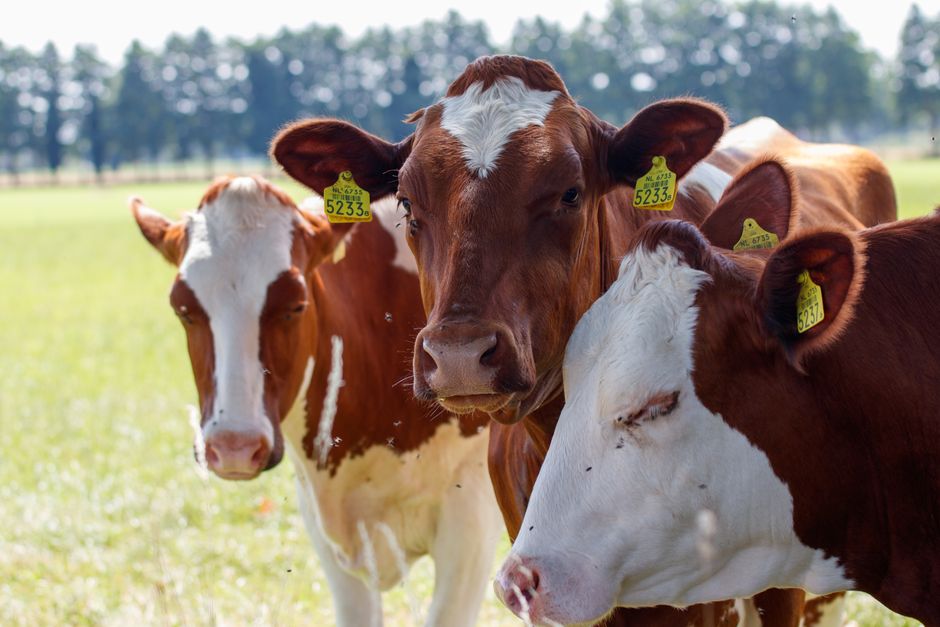
As summer humidity sets in across Central Illinois, dairy producers know that mastitis risk rises right along with the temperature. Nothing is more frustrating than seeing a good cow suddenly drop in milk, or finding an inflamed quarter that threatens both your herd’s productivity and your bottom line. At Countryside Veterinary Services, located at 201 South Water Street, Taylorville, IL 62568, our veterinary team understands the unique challenges producers face during the summer months. In this guide, you’ll learn the essentials of summer mastitis prevention for dairy cattle, including how to recognize early signs, what causes outbreaks in humid weather, effective treatment approaches, and practical steps you can take to protect your herd’s udder health all season long. Whether you manage a small family dairy or a large commercial operation in Taylorville or the surrounding communities, our goal is to keep your cows producing strong and your operation running efficiently. If you need support, our veterinary professionals are here to help you implement the best herd health strategies and respond promptly to concerns with farm and production animal services.
Recognizing Summer Mastitis in Your Dairy Herd
Mastitis can strike quickly, especially during the hot, damp conditions typical of Illinois summers. Early detection is critical for minimizing losses and preventing the spread within your herd. Producers should be vigilant for signs such as swelling, heat, or pain in the udder, sudden changes in milk appearance like clots or discoloration, and a noticeable drop in milk yield from affected cows. Additionally, cows may show systemic signs including decreased appetite, lethargy, or even fever if the infection becomes severe. Summer mastitis in particular often affects dry cows and heifers at pasture, causing thick, foul-smelling secretions and sometimes abscess formation. If you spot flies congregating around udders, this can be an early warning, as fly activity can introduce bacteria and increase risk.
Why Summer Increases Mastitis Risk
Understanding why mastitis flourishes in summer conditions can help you target prevention efforts more effectively. The warm, humid weather in Taylorville and surrounding areas creates ideal breeding grounds for bacteria. Environmental pathogens, such as Streptococcus uberis and coliforms, thrive in wet bedding, muddy pastures, and stagnant water sources. Flies add to the challenge, as they can transmit bacteria directly to the udder, particularly in cows lying on damp ground or grazing in areas with standing water. The high temperatures and humidity also stress cows, potentially lowering immune defenses and making them more susceptible to infections. For dry cows at pasture, factors like teat injuries from rough forage or fly bites further increase vulnerability. Recognizing these seasonal contributors allows producers to mitigate risks before mastitis takes hold.
Professional Treatment and Herd Management Strategies
When mastitis is detected, timely intervention is essential. The veterinary team at Countryside Veterinary Services will assess the individual cow and the broader herd environment to recommend tailored treatment and control programs. Treatment approaches typically involve targeted intramammary antibiotics for clinical cases, as well as anti-inflammatory medications to reduce swelling and discomfort. For severe or toxic cases, supportive therapy such as fluids or systemic antibiotics may be necessary. Our veterinarians may also recommend culturing milk samples to identify the causative bacteria, which can guide future prevention strategies and help ensure the most effective treatments are used. Alongside individual cow care, we work with producers to evaluate milking procedures, sanitation protocols, and environmental management. This may include advising on bedding changes, improving barn or pasture drainage, and implementing fly control measures. For herds experiencing recurrent issues or outbreaks, our veterinary team can perform a comprehensive herd health review and provide preventative care services designed specifically for the needs of your operation.
Managing Outbreaks and Limiting Spread
If multiple cows are affected, quick action is vital to prevent a wider outbreak. Segregating cows with clinical mastitis, maintaining strict milking hygiene, and disinfecting equipment between animals are all important steps. Our team can help you establish milking order protocols, recommend effective disinfectants, and provide guidance on culling decisions for chronic cases when necessary. Regular communication with your veterinarian ensures adjustments can be made as conditions change throughout the summer.
Practical Summer Mastitis Prevention Tips
Prevention is always more cost-effective than treatment, especially when it comes to mastitis. Producers can take several steps to minimize risk during the summer months. Maintaining clean, dry bedding in barns or loafing areas is essential, and rotating pastures to avoid muddy, overgrazed sections will help reduce exposure to environmental bacteria. Ensuring effective fly control with regularly applied fly repellents, fly tags, and management of manure and standing water can significantly cut down on fly-borne mastitis cases. For dry cows and heifers, checking udders regularly and using an appropriate dry cow therapy as recommended by your veterinarian can provide added protection. Cleaning teats before and after milking, using individual towels, and dipping teats with an effective post-milking disinfectant will reduce the spread of infection. Producers should also monitor cows closely during periods of high heat and humidity, as stressed animals may require additional attention or environmental modifications such as increased shade and ventilation.
When to Call Your Veterinarian
Prompt veterinary involvement is crucial when mastitis is suspected, especially with severe or sudden-onset cases. Producers should contact Countryside Veterinary Services if they notice acute swelling, hot or painful udders, dramatic drops in milk production, or if cows appear systemically ill. Rapid intervention can prevent complications and reduce the spread to other cows. Even with milder cases, consulting your veterinarian allows for proper diagnosis, targeted treatment, and advice on herd-wide prevention. Our veterinary professionals can assist with milk culturing, antibiotic selection, and ongoing herd health planning. If you are dealing with recurrent issues or concerned about rising cell counts, scheduling a herd health check can identify underlying management factors and help you regain control before the problem escalates. Remember that early action preserves udder health, maintains milk quality, and protects your operation’s profitability.
Supporting Udder Health All Summer in Taylorville and Beyond
Maintaining optimal milk production and udder health during the humid Illinois summer requires vigilance, practical prevention, and a strong partnership with your veterinary team. At Countryside Veterinary Services, we are committed to supporting producers in Taylorville and surrounding communities with practical solutions and responsive care. If you are searching for a reliable "farm vet near me," look no further than our experienced veterinarians, who understand the unique needs of dairy herds in our region. To discuss a mastitis prevention plan, schedule a herd health evaluation, or get prompt attention for a sick cow, contact our team at (770) 788-7387 or visit us at 201 South Water Street, Taylorville, IL 62568. For more information on our farm and production animal services and how we help local producers succeed, explore our website or stop by the clinic. Your herd’s health is our priority, and we’re here to help your operation run strong all summer long.
This blog provides general information and should not replace personalized veterinary advice. For specific concerns or emergencies, always consult your veterinarian promptly.