Summer Skin Care for Cattle: Managing Fly Irritations
Summer Skin Care for Cattle: Managing Fly Irritations
Summer in Taylorville, Illinois brings plenty of sunshine, high temperatures, and, unfortunately for producers, a surge in fly populations. For cattle operations throughout the region, July’s hot and humid weather can mean more than just discomfort; it often leads to fly-borne skin irritations that threaten both herd health and productivity. If you notice your herd spending more time stomping, tail swishing, or crowding together in the heat, you are not alone. At Countryside Veterinary Services, located at 201 South Water Street, Taylorville, IL 62568, our veterinary team works closely with local producers to manage fly-related challenges and keep cattle healthy all summer long. This guide will help you recognize the signs of fly irritation, understand the causes behind these seasonal outbreaks, and learn practical management and prevention strategies tailored for Central Illinois herds. We will also outline when it is time to schedule a visit with our veterinary professionals to protect your cattle’s skin and overall well-being.
Whether you manage a small cow-calf operation or a larger commercial herd in Taylorville or the surrounding communities, fly control is a vital part of midsummer herd health. Read on for expert advice from the Countryside Veterinary Services team, including recommendations for farm/production animal veterinary care and local resources to support your operation during the peak fly season.
Recognizing Fly Irritations and Skin Issues in Cattle
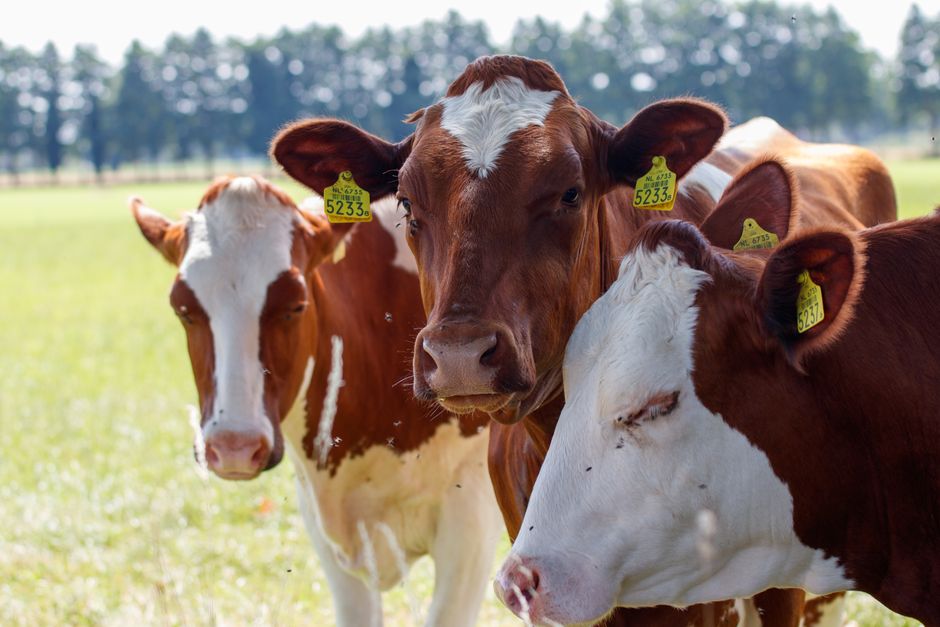
Spotting the early signs of fly-related skin problems can make a significant difference in maintaining herd health during the summer months. Common signs of fly irritation in cattle include increased swishing of tails, frequent head shaking, persistent bunching of animals in shaded or muddy areas, and excessive licking or rubbing against objects. Producers might also notice patches of hair loss, open sores, or scabs, particularly along the neck, shoulders, back, and around the eyes. In more severe cases, cattle may have bleeding from wounds, signs of infection, or visible clusters of flies on affected areas. Reduced feed intake, weight loss, and declines in milk production are additional warning signs that fly irritation is impacting herd productivity.
In some situations, fly irritation can lead to specific conditions like pinkeye, which is characterized by increased tearing, squinting, and cloudiness in one or both eyes. Other fly-borne diseases, such as summer mastitis or fly strike, can also manifest during periods of high fly activity. Noticing any of these symptoms should prompt a closer inspection of your herd and, if necessary, a consultation with your veterinary team for further assessment.
Understanding Why Fly Irritations Are a Summer Concern
Central Illinois’ climate during July—with high humidity, average highs around 87°F, and overnight lows near 66°F—creates ideal breeding conditions for flies. The most common culprits infesting cattle include horn flies, face flies, stable flies, and house flies. Each species targets cattle differently; for example, horn flies tend to cluster along the back and sides, feeding on blood and causing irritation, while face flies congregate around the eyes and muzzle, spreading bacteria responsible for pinkeye. Stable flies are notorious for their painful bites on the legs and lower body, leading to restless behavior and grouping in shaded spots.
Manure, wet bedding, and standing water provide prime habitats for flies to lay eggs and multiply rapidly during warm, damp summers. Pasture management practices, such as rotational grazing and timely manure removal, can help reduce fly populations, but even well-managed operations experience seasonal outbreaks. Additionally, fly resistance to certain insecticides and changing weather patterns can complicate control efforts. Understanding the biology of local fly species empowers producers to take targeted action and minimize their herd’s exposure throughout the hottest months.
Treatment and Professional Management of Fly-Related Skin Problems
When fly irritation leads to open wounds, infections, or clinical disease, prompt intervention is necessary to prevent further complications. Treatment approaches for fly-induced skin issues usually involve a combination of wound cleaning, topical or systemic antibiotics for secondary infections, and anti-inflammatory medications to reduce discomfort. Veterinary professionals may recommend fly repellents or pour-on insecticides for immediate relief, tailored to the needs of your operation and the specific fly pressure in your area.
If pinkeye or other fly-borne diseases are present, additional therapies such as eye ointments, injectable antibiotics, and, in some cases, temporary eye patches may be prescribed. Severe cases of fly strike, where larvae infest wounds, require careful removal of maggots, thorough wound care, and supportive therapy to aid healing. In all cases, it is important to consult with your veterinary team before initiating treatment, as improper use of medications or insecticides can lead to resistance or residue concerns in meat and milk.
For ongoing herd health, the team at Countryside Veterinary Services provides dermatology services for livestock and can assist with tailored management plans to address persistent or recurring skin issues. We also offer guidance on the safe use of fly control products and help producers choose options that align with their production goals and regulatory requirements.
Preventing Fly Irritations: Steps for Summer Success
While some degree of fly pressure is inevitable during an Illinois summer, there are several effective strategies producers can implement to reduce the impact on their cattle. Key steps include maintaining clean, dry environments by removing manure and wet bedding regularly, which limits fly breeding sites. Rotational grazing and spreading out feeding areas help reduce congregation and manure buildup in any one spot. Providing shaded areas and adequate water supplies ensures cattle can escape heat stress and avoid bunching, which attracts more flies.
Mechanical fly control tools, such as back rubbers, dust bags, and fly traps, can be effective when placed in high-traffic areas. Incorporating insecticide ear tags or pour-on treatments, under the guidance of your veterinary team, offers season-long protection for many operations. Additionally, incorporating feed-through fly control products into your ration can help target developing larvae in manure, decreasing fly emergence.
Pasture management also plays a role in prevention. Keeping grass mowed and minimizing standing water cuts down on fly habitat. For herds with a history of pinkeye or skin infections, vaccination and early intervention protocols should be part of your summer plan. The preventative care services available at Countryside Veterinary Services can support your operation’s efforts to minimize fly-related problems before they become widespread.
When to Call Your Veterinarian for Fly-Borne Skin Problems
While many cases of mild fly irritation can be managed on the farm, there are situations where veterinary intervention is essential. Producers should contact the veterinary team if cattle develop persistent open sores, signs of infection such as swelling or discharge, or if pinkeye symptoms appear. Lameness, significant weight loss, or unexplained declines in milk production are additional signs that professional assessment is needed. If fly control measures seem ineffective or you experience an outbreak of fly-borne disease in your herd, prompt consultation ensures timely diagnosis and treatment.
At Countryside Veterinary Services, our veterinarians are available during regular business hours to evaluate and treat fly-related skin issues as well as other summer health concerns. Early intervention not only improves animal welfare but also helps prevent the spread of infection within the herd. Producers can rely on our team for guidance on safe and effective fly control strategies, appropriate medication use, and long-term prevention plans tailored to your operation’s unique needs.
Supporting Herd Health All Summer Long
Managing fly irritations is a critical component of summer herd health in Taylorville and the surrounding communities. By recognizing the early warning signs, understanding the contributing factors, and implementing a comprehensive prevention program, producers can protect their cattle from the worst effects of fly season. The veterinary team at Countryside Veterinary Services is committed to helping local operations maximize animal comfort and productivity through expert advice, personalized management plans, and ongoing support.
If you are searching for a "vet near me" experienced in both routine and complex herd health challenges, our clinic is ready to assist. Schedule an appointment with our team of veterinarians by calling (770) 788-7387 or by visiting us at 201 South Water Street, Taylorville, IL 62568. For more information about our farm and production animal veterinary services and our full range of preventative care options, explore our website or reach out for a consultation.
Remember, fly control is not just about comfort; it is about protecting your investment and ensuring a productive, healthy herd through the challenges of summer. Our veterinary professionals are here to partner with you every step of the way.
This blog is intended for informational purposes only and should not replace professional veterinary care. For specific concerns regarding your herd, always consult with your veterinarian.