Top Pet Care Tips for Taylorville Animal Owners
Top Pet Care Tips for Taylorville Animal Owners
As the fall season settles over Taylorville and surrounding communities, animal owners face unique challenges and opportunities to keep their animals healthy and thriving. Whether you share your life with a loyal dog, a curious cat, a hardworking herd, or a stable full of horses, staying proactive with your animal care is key. At Countryside Veterinary Services, located at 201 South Water Street, Taylorville, IL 62568, our veterinary team understands the diverse needs of both pet owners and producers in our region. This November, we’re sharing our top pet care tips to help you navigate seasonal health risks, optimize nutrition, and support the wellbeing of every animal in your care. In this guide, you’ll find veterinarian-approved advice tailored for both household pets and farm animals, ensuring you have the knowledge you need to make informed decisions. With a commitment to compassionate, comprehensive service, our clinic is always here to support you—so let’s dive into this season’s most important pet care tips.
Recognizing When Your Animal Needs Extra Care
Seasonal changes often bring subtle signs that your animal’s health may need attention. Pet owners might notice their dog or cat is less active, has a duller coat, or suddenly develops sneezing or coughing as the weather cools. Appetite changes, increased scratching, or altered bathroom habits can also signal a need for a wellness examination.
For producers and horse owners, watch for shifts in herd behavior, reduced feed intake, coughing in calves or foals, or unexplained lameness as mud and wet conditions set in. Additional signs to monitor include runny noses in livestock, sudden drop in milk production, or lethargy during temperature swings. Horses with thickening coats may require extra grooming and monitoring for rain rot or hoof issues as the pastures grow damp.
No matter the species, early recognition of changes in behavior, appetite, or energy level is critical. Prompt attention to these warning signs can help prevent minor issues from developing into major health concerns. If you notice any of these symptoms, consider scheduling a wellness examination with our veterinary professionals to ensure your animal’s health is on track.
Why Seasonal Changes Affect Animal Health
As temperatures drop and days shorten, animals experience both physiological and environmental stressors. For household pets, cooler weather can exacerbate joint pain in older dogs and cats, while indoor heating may lead to dry skin or respiratory irritation. Flea and tick activity may decline, but other parasites such as intestinal worms can persist year-round, especially if pets continue to spend time outdoors.
Producers face challenges as livestock transition from grazing to stored feeds, potentially impacting body condition and susceptibility to illness. Wet or muddy pastures can contribute to hoof problems, particularly in cattle and horses, while fluctuating temperatures can stress immune systems and increase the risk of respiratory disease. Calves and lambs born in late fall require vigilant monitoring for early signs of pneumonia.
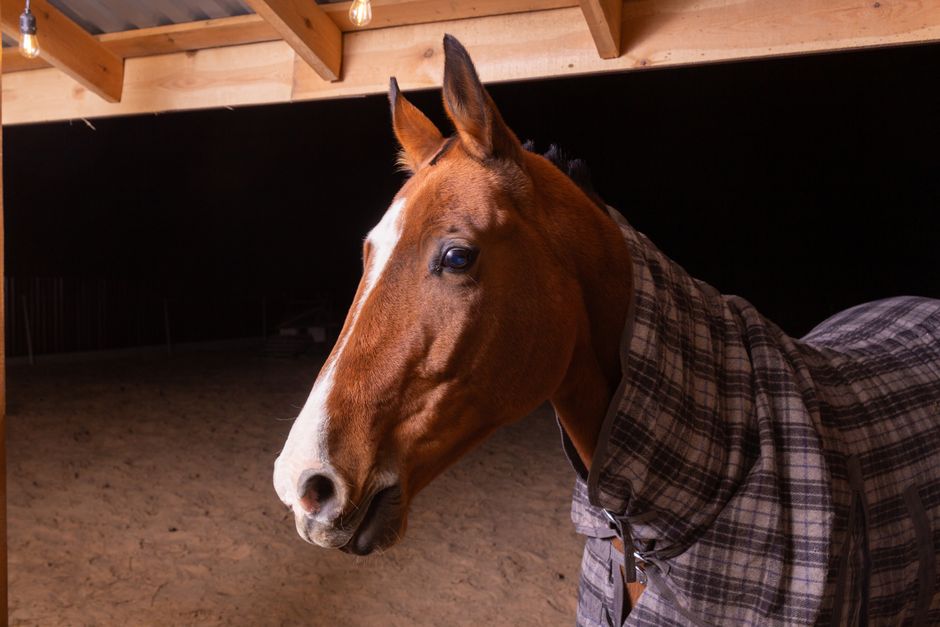
Equine owners should be aware that changes in turnout schedules, blanketing routines, and water accessibility can affect their horse’s health. Colic risk rises as horses may drink less water in cold weather, and sudden dietary changes can disrupt digestive health.
Understanding these seasonal factors equips owners and producers to anticipate problems and implement preventive measures, supporting optimal health for all animals.
Professional Treatment and Management Options
When health concerns arise, timely veterinary intervention can make all the difference. At Countryside Veterinary Services, our comprehensive approach includes diagnostic evaluations, in-house laboratory testing, advanced imaging, and a full range of treatment options for both pets and farm animals.
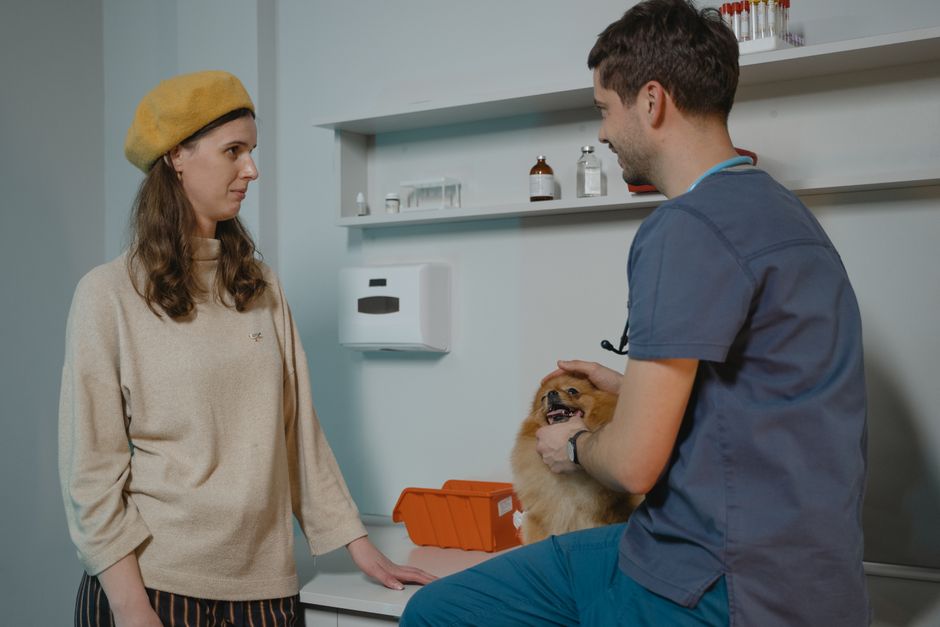
For small animals, treatment approaches may involve medication for respiratory infections, pain management for arthritis, dental care to resolve mouth discomfort, or allergy testing for itching and skin issues. Our team also provides vaccination services to protect pets from infectious diseases that can arise as animals spend more time indoors or interact with new visitors during the holiday season.
Producers benefit from our herd health services, which include routine evaluations, parasite control recommendations, nutritional assessments, and protocols for respiratory disease management. Our veterinarians can assist with vaccination schedules tailored to your operation’s needs, as well as guidance on safe feed transitions and biosecurity measures to prevent disease introduction.
For horse owners, our comprehensive equine services cover colic prevention, lameness evaluation, dental care, and vaccination planning. When emergencies occur, such as severe lameness or acute colic, our veterinary team is equipped to provide immediate, on-site diagnosis and treatment to support your horse’s recovery.
If you are unsure what level of care your animal requires, our veterinary professionals are available to help you determine the most appropriate next steps.
Preventive Care and Home Management for Every Animal
Proactive management is essential for keeping animals healthy during seasonal transitions. For pet owners, routine grooming helps control shedding and allows early detection of lumps or skin issues. Maintaining a consistent exercise routine and providing a balanced, species-appropriate diet can support weight management and joint health. Ensure pets have access to fresh water at all times, especially as indoor heating dries out the environment.
Producers can protect livestock health by monitoring body condition scores regularly, adjusting nutrition as needed, and providing adequate shelter from cold winds and moisture. Keeping bedding clean and dry reduces the risk of foot rot and respiratory illness. Plan deworming and vaccination updates in consultation with your veterinarian to match current risk levels and local disease patterns. When transitioning to stored feeds, introduce changes gradually to avoid digestive upset.
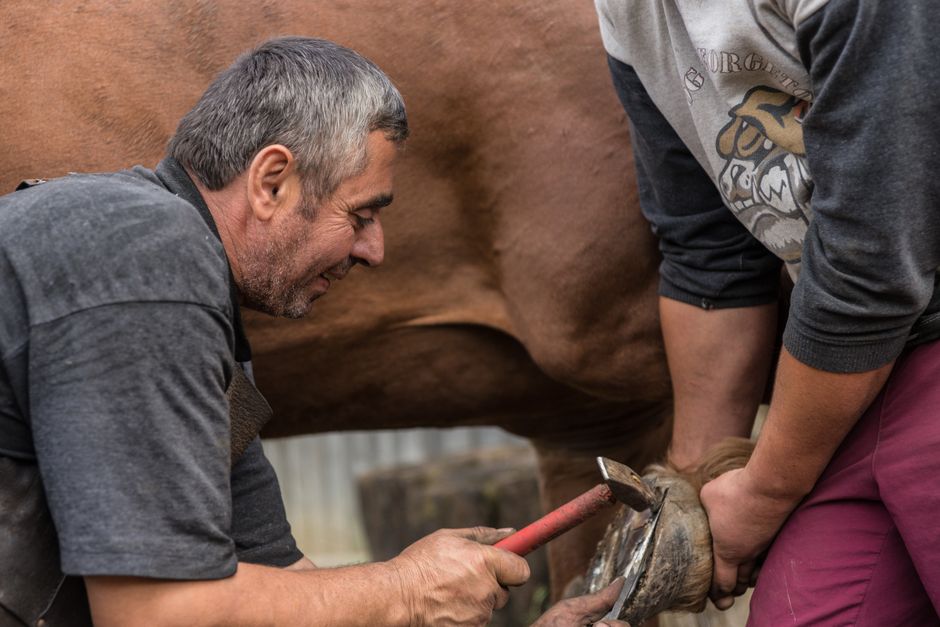
Horse owners should pay particular attention to water intake during cold spells, using heated buckets or breaking ice as needed. Routine hoof cleaning and inspection help prevent thrush and abscesses in muddy conditions. Maintaining regular dental care and reviewing feed rations with your veterinarian can reduce the risk of colic and support optimal performance throughout the winter months.
For all animal owners, keeping accurate records of health events, vaccinations, and dietary changes allows for informed decision-making and more effective veterinary consultations. Our preventative care services offer guidance on year-round strategies that can be tailored to your specific operation, household, or stable.
When to Contact Your Veterinarian
Knowing when to seek professional help is a cornerstone of responsible animal ownership. For pet owners, prompt veterinary care is warranted if your dog or cat experiences vomiting or diarrhea that lasts more than 24 hours, sudden loss of appetite, respiratory distress, persistent coughing, or visible pain. Swelling, wounds, or changes in urination should also prompt a call to our clinic.
For producers, early intervention is critical if you observe unexplained deaths, sudden drops in milk production, outbreaks of coughing or nasal discharge, or rapid weight loss in your herd. Horses exhibiting signs of colic such as rolling, pawing, or failure to eat, or those with non-weight bearing lameness or eye injuries, require immediate veterinary attention.
If you are ever uncertain about the severity of your animal’s symptoms, our veterinary team encourages you to err on the side of caution and schedule an appointment. Early intervention can mean the difference between a swift recovery and a prolonged illness.
In the event of a daytime emergency, our clinic is prepared to assist with urgent needs for both pets and large animals. If you require after-hours care for small animals, we may refer you to a dedicated emergency clinic in Springfield. For around-the-clock large-animal emergencies, resources such as the University of Illinois Veterinary Teaching Hospital are also available.
Supporting Animal Health in Taylorville and Beyond
At Countryside Veterinary Services, we are proud to serve the animal owners, producers, and equestrians of Taylorville and the surrounding region. Our commitment to animal health extends from the family dog and cat to the largest herds and stables in the area. By following these veterinarian-approved pet care tips, you can help your animals stay healthy, comfortable, and productive through every season.
If you are searching for a veterinarian near me who offers comprehensive care for pets, livestock, and horses, our team of veterinarians is here to provide the support and expertise you need. We welcome you to schedule an appointment, discuss your animal health concerns, or learn more about our full range of services. Visit us at 201 South Water Street, Taylorville, IL 62568, explore our preventative care services, or give us a call at (770) 788-7387. Together, we can help your animals thrive year-round.
This blog is for informational purposes only and does not replace professional veterinary advice. Always consult your veterinarian for specific concerns regarding your animals’ health.