What to Expect From an Exotic Animal Veterinarian Visit
What to Expect From an Exotic Animal Veterinarian Visit
Exotic pets bring unique joy and challenges into your life, but when it comes to their health, you may feel uncertain about what to expect at the veterinary clinic. If you are a bird lover, reptile enthusiast, or have a pocket pet such as a rabbit or ferret, finding an experienced exotic animal veterinarian is essential. Here at Countryside Veterinary Services in Taylorville, IL, our team is dedicated to providing compassionate, knowledgeable care for all species—from feathered and scaled companions to small mammals and beyond. In this blog, we will walk you through what happens during an exotic animal veterinarian visit, how to prepare for your appointment, and how our Taylorville clinic supports the health of your unique pet. Whether you are new to exotic pet ownership or seeking to ensure the best possible veterinary care, you will find practical tips and reassurance about the process. For more details about our specialized services for birds, reptiles, and other unique species, visit our exotic pet veterinary care page.
Recognizing When Your Exotic Pet Needs a Veterinarian
Exotic pets often hide illness or discomfort, making it challenging to determine when veterinary care is necessary. Being attentive to subtle changes in behavior, appetite, or appearance is vital. Birds may stop singing, fluff their feathers, or spend more time at the bottom of their cage. Reptiles might become less active, refuse food, or show changes in skin color or shedding patterns. Small mammals like rabbits and ferrets may hide more than usual, have changes in droppings, or show signs of labored breathing. When you notice any unusual behavior, physical changes, or a sudden decrease in activity, these are important reasons to consider scheduling a visit with an exotic animal veterinarian.
Additionally, wellness examinations are important even when your exotic companion appears healthy. Many conditions, such as metabolic bone disease in reptiles or dental disease in rabbits, can develop silently. Regular check-ups can catch potential health issues early, supporting a longer, happier life for your unique animal. If you are unsure, our veterinary professionals can help you determine whether your exotic pet needs an urgent visit or a routine wellness check.
Understanding Exotic Animal Health: Why Specialized Care Matters
Each exotic species has its own anatomy, physiology, and husbandry needs, which is why working with a veterinary team experienced in exotic animal medicine is so crucial. Birds, reptiles, and small mammals are especially sensitive to changes in their environment, diet, and handling. For example, improper humidity can lead to respiratory infections in snakes and lizards, while rabbits are prone to dental malocclusion that can quickly progress without proper intervention.
Exotic animal veterinarians receive additional training to understand these unique requirements. Diagnostic approaches, anesthesia protocols, and even the way your animal is handled during exams differ from those used for dogs and cats. The advanced knowledge of our team at Countryside Veterinary Services ensures that your exotic pet receives appropriate, species-specific care—whether for routine wellness or more complex health concerns. This specialized approach extends to the use of diagnostic tools, such as our in-house pet diagnostic laboratory, which enables timely and accurate evaluation of your exotic pet’s health.
What Happens During a Visit With an Exotic Animal Veterinarian
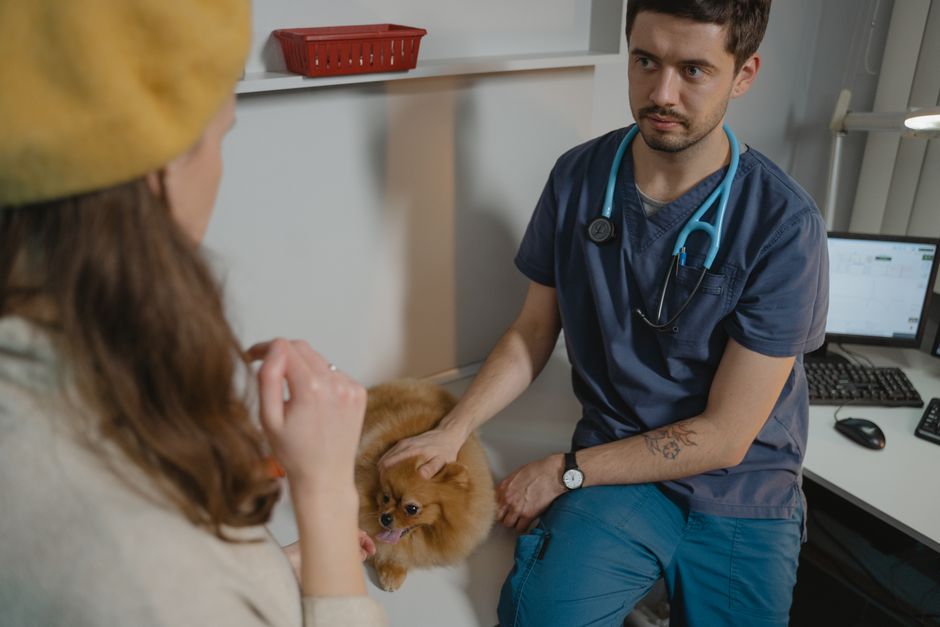
When you arrive at the clinic with your exotic pet, the experience is tailored to minimize stress and provide thorough, individualized care. The visit usually begins with a detailed history, where our veterinarians will ask about your animal’s habitat, diet, temperature and humidity controls, recent behaviors, and any concerns you may have noticed. Providing this information is important, as many exotic species’ health issues are linked to environmental or nutritional factors.
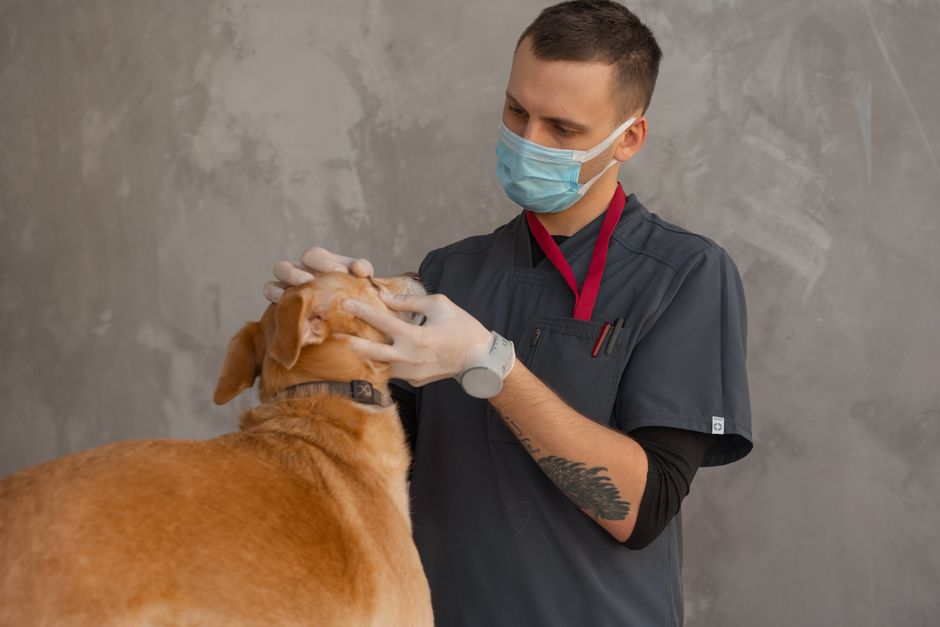
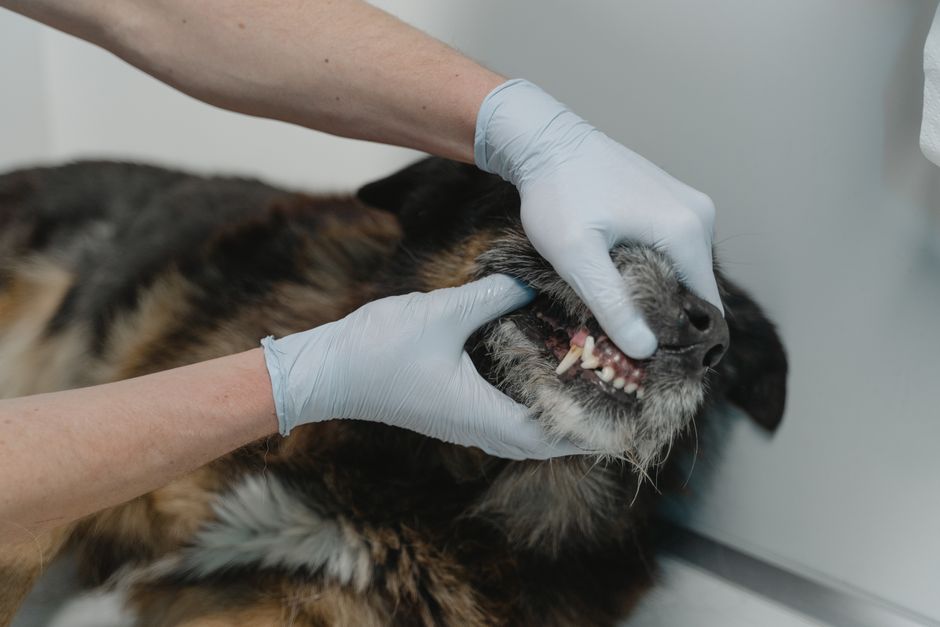
The physical examination is performed gently and with specialized techniques. For birds, this may involve examining the beak, feathers, eyes, and feet, as well as listening to the heart and lungs. Reptiles are assessed for body condition, hydration, skin integrity, and proper muscle tone. Small mammals like rabbits and ferrets are evaluated for dental health, respiratory sounds, and abdominal palpation. Throughout the exam, our veterinary professionals use calm handling practices to reduce fear and prevent injury.
If diagnostic testing is needed, our clinic offers advanced tools such as digital radiology and veterinary ultrasounds, which are invaluable for evaluating internal organs, bone structure, and reproductive status in exotic species. In some cases, bloodwork or fecal analysis is recommended to screen for parasites or metabolic disorders. The results of these tests help guide treatment recommendations and allow for a more precise diagnosis.
How to Prepare for Your Exotic Pet’s Veterinary Appointment
Preparing for an exotic animal veterinarian visit begins before you even leave your home. The way you transport your animal can significantly impact their stress level and safety. For birds, use a secure travel cage lined with familiar bedding or perches. Reptiles should be placed in a well-ventilated container with appropriate temperature support, such as a heat pack wrapped in a towel for warmth-loving species. Small mammals, including rabbits and ferrets, should travel in a sturdy carrier with soft bedding and access to hay or a favorite treat.
Bring a list of your pet’s diet, supplements, and any recent changes in husbandry or behavior. Photos of your animal’s enclosure and food packaging can be helpful for our veterinary team to provide the best possible recommendations. If you have questions about your animal’s routine or care, write them down in advance so you remember to discuss them during the visit.
If your exotic pet is due for preventive care, such as vaccination services for rabbits or wellness checks for pocket pets, mention this when you schedule your appointment. Our team will ensure that all necessary preventive measures are addressed during your visit.
Exotic Animal Treatments, Diagnostics, and Management Strategies
Treatment plans for exotic pets depend on the species, the specific diagnosis, and the underlying cause of the problem. For instance, birds with respiratory infections may require nebulization, antibiotics, and environmental modifications to improve air quality and humidity. Reptiles with metabolic bone disease need dietary adjustments, calcium supplementation, and sometimes UVB lighting changes. Rabbits and other small mammals suffering from dental disease may require tooth trimming, dietary changes, or even surgical intervention.
Our veterinary professionals will discuss all available treatment options, explain medication administration, and provide guidance on supportive care at home. For more complex cases, advanced diagnostics like radiographs or ultrasound imaging may be used to monitor progress or confirm the effectiveness of treatment. Follow-up visits are often recommended to track recovery and address any lingering issues.
Preventive care remains the cornerstone of exotic animal health management. Routine wellness examinations are essential for catching early changes that may indicate illness. Our clinic also offers sick care for rabbits and pocket pets, so you can rest assured that help is available when your animal shows signs of distress or disease.
At-Home Care and Prevention for Exotic Pets
Maintaining your exotic pet’s health at home starts with understanding the unique husbandry needs of their species. For birds, this means providing a balanced diet, clean water, enrichment, and a safe, spacious cage. Reptiles require precise temperature gradients, humidity control, species-appropriate diets, and proper lighting. Small mammals benefit from high-quality hay, safe chew toys, and clean, secure enclosures.
Monitor your exotic animal daily for changes in eating, drinking, behavior, and waste production. Clean habitats regularly, avoid sudden environmental changes, and introduce new foods gradually. Avoid using over-the-counter medications or home remedies without professional guidance, as these can be harmful for exotic species.
Partnering with a veterinary team experienced in exotic pets ensures that you have expert advice about nutrition, habitat, and early warning signs of illness. If you have questions about preventive care for your rabbit or pocket pet, our wellness care services for pocket pets can provide additional guidance tailored to your animal’s needs.
When to Seek Veterinary Care for Your Exotic Animal
Prompt veterinary attention is critical when your exotic pet displays signs of illness or injury. Warning signs include lethargy, difficulty breathing, abnormal droppings, swelling, wounds, loss of appetite, sudden feather or fur loss, or a dramatic change in weight. Birds that stop vocalizing, reptiles that remain inactive for prolonged periods, or small mammals that hide and refuse food should be evaluated as soon as possible.
Some conditions, such as egg binding in birds or respiratory infections in small mammals, can become life-threatening within hours or days. Do not wait for symptoms to worsen. If you are ever unsure, our team of veterinarians at Countryside Veterinary Services is available to help you assess the urgency and schedule a timely appointment. For emergencies during regular business hours, our clinic provides daytime emergency veterinary care for exotic pets.
Supporting the Unique Needs of Exotic Animals in Taylorville
Exotic animal ownership is deeply rewarding, but it comes with responsibilities that differ from those of traditional pets or livestock. Our veterinary team at Countryside Veterinary Services is committed to supporting the health and well-being of every species we see, from birds and reptiles to rabbits, ferrets, and other small mammals. Whether you are seeking preventive care, diagnosis, or treatment for a specific concern, you can rely on our experience and dedication to provide the specialized care your animal deserves.
If you are searching for an "exotic animal veterinarian near me," look no further than our team here in Taylorville. We welcome new and established clients from Taylorville and surrounding communities. When it is time for your exotic pet’s next check-up, or if you have concerns about their health, schedule an appointment with our knowledgeable veterinary professionals at 201 South Water Street, Taylorville, IL 62568 or call (770) 788-7387. For more information about our approach to exotic animal care, visit our exotic pet veterinary care page.
Your exotic pet relies on you for their health and happiness—let our team be your trusted partner every step of the way.