When Does Your Dog Need an Echocardiogram?
When Does Your Dog Need an Echocardiogram? Expert Guidance from Countryside Veterinary Services in Taylorville, IL
Heart health is crucial for dogs of all ages, yet many owners are unsure when advanced diagnostics like an echocardiogram become necessary. If you’re in Taylorville, IL or the surrounding communities and concerned about your dog’s heart, understanding when and why your veterinarian may recommend a dog echocardiogram is the first step toward proactive care. At Countryside Veterinary Services, our team of veterinarians is committed to helping you navigate your dog’s health with expertise and compassion. This guide will walk you through the signs your dog might need an echocardiogram, what the procedure involves, and how early detection can make a lifesaving difference. We’ll also address what to expect during your visit, and how our veterinary professionals at 201 South Water Street, Taylorville, IL 62568 can help ensure your dog’s heart stays strong and healthy.
If you’re looking for more in-depth details about echocardiograms for dogs, you can always explore our echocardiogram veterinary service for pets page.
Recognizing Signs Your Dog Might Need an Echocardiogram
Understanding when your dog may need an echocardiogram often starts with observing changes in behavior or physical condition. Some dogs show obvious signs, while others develop heart disease quietly over time. Key symptoms that may prompt your veterinarian to recommend a dog echocardiogram include persistent coughing, especially at night or after exercise, as well as rapid or labored breathing that doesn’t resolve with rest. If your dog seems unusually tired, has fainting episodes, or displays a bluish tint to the gums or tongue, these are also important warning signs.
Sometimes, your veterinarian may detect a heart murmur or irregular heartbeat during a wellness examination. In these cases, even if your dog appears outwardly healthy, further investigation with an echocardiogram may be recommended. As a general practice that serves both companion animals and livestock, Countryside Veterinary Services understands the importance of catching early signs of disease before they progress. For dog owners in Taylorville and nearby areas, timely recognition of these symptoms is essential for effective intervention.
What Causes Heart Disease in Dogs?
Heart disease in dogs can arise from a variety of causes, including inherited conditions, aging, infections, and lifestyle factors. In many small breeds, chronic valve disease is common and tends to worsen with age. Larger breeds may be more prone to heart muscle disorders, such as dilated cardiomyopathy. In some cases, heartworm disease can play a significant role, particularly in regions like Central Illinois where mosquitoes are prevalent during warmer months.
Other contributors include untreated dental infections, which can allow bacteria to travel from the mouth to the heart, and certain nutritional imbalances. Regular preventive care, such as routine heartworm testing and dental cleanings, plays a major role in reducing your dog’s risk. Our veterinary team at Countryside Veterinary Services focuses on comprehensive care, educating owners not just about treatment, but also about prevention and early detection strategies that keep dogs healthier, longer.
What Is a Dog Echocardiogram and What Can You Expect?
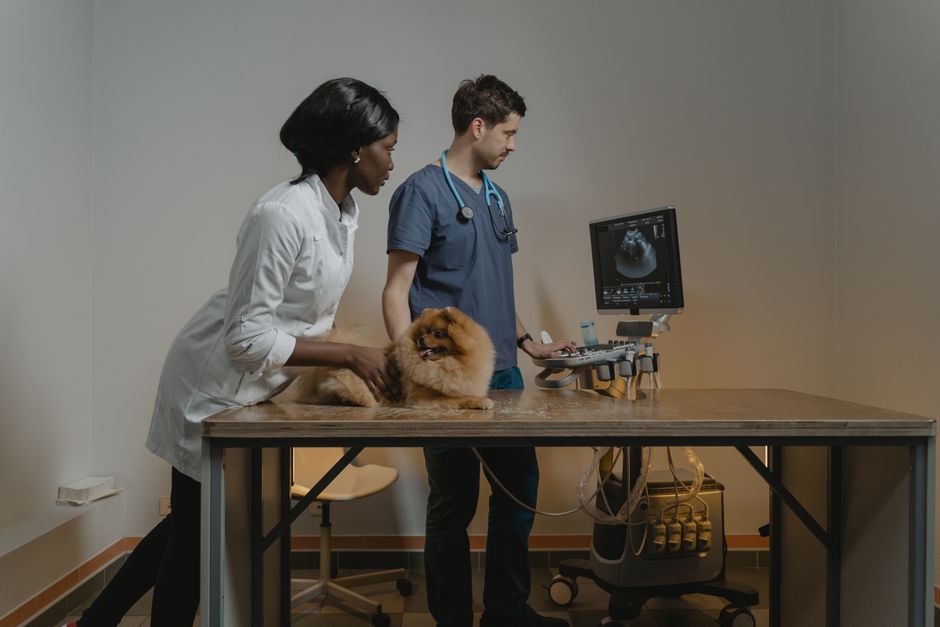
A dog echocardiogram is a specialized ultrasound used to evaluate the structure and function of your dog’s heart in real time. Unlike a standard X-ray, which shows only the outline of the heart and lungs, an echocardiogram provides detailed images of the heart’s chambers, valves, and blood flow. Your veterinarian may recommend this procedure if a heart murmur is detected, if your dog shows symptoms of heart disease, or as a follow-up for dogs already diagnosed with cardiac conditions.
During the procedure, your dog will lie comfortably on a padded table while a trained veterinary professional gently applies a small probe to the chest. Most dogs tolerate the process well; sedation is rarely needed. The echocardiogram is non-invasive and painless, taking between 20 and 60 minutes depending on the complexity of the case. The images allow our veterinarians to assess how well the heart is pumping, identify valve abnormalities, measure heart chamber size, and detect congenital defects or tumors.
If your dog is anxious about veterinary visits, let us know ahead of time so we can make accommodations for a stress-free experience. For those interested in learning more about diagnostic imaging, our veterinary ultrasounds and imaging services page offers an overview of the technology we use to support your dog’s health.
Treatment and Management: Next Steps After a Dog Echocardiogram
The results of your dog’s echocardiogram guide the next steps in treatment and ongoing management. In some cases, the findings may be reassuring, confirming that a heart murmur is benign and does not require immediate intervention. If heart disease is diagnosed, treatment options may include medications to support heart function, dietary modifications, and tailored exercise recommendations. Follow-up echocardiograms are sometimes needed to monitor progression and adjust care as appropriate.
Dogs with significant heart conditions often benefit from medications that help the heart pump more efficiently or control abnormal rhythms. Your veterinarian will discuss the best approach based on your dog’s diagnosis, age, and overall health. For some advanced cases, referral to a veterinary cardiologist may be recommended, but most heart conditions can be managed effectively by your local veterinary professionals.
At Countryside Veterinary Services, we place a strong emphasis on helping owners understand their dog’s condition, empowering you to make informed decisions about care and quality of life. Our goal is always to work with you to achieve the best possible outcome for your companion.
Prevention and Home Care for Canine Heart Health
While not all heart conditions can be prevented, there are important steps you can take at home to support your dog’s cardiovascular health. Keeping your dog at a healthy weight reduces strain on the heart, while regular exercise appropriate for your dog’s breed and age helps maintain overall fitness. Consistent use of heartworm preventives is vital, especially in Taylorville’s mosquito season, to protect against one of the most common and preventable forms of heart disease in dogs.
Feeding a balanced diet, scheduling routine veterinary checkups, and addressing dental health are additional ways you can proactively care for your dog’s heart. By partnering with our veterinary team for preventive care services, you create a foundation for early detection and intervention. If you notice any change in your dog’s activity level, breathing, or appetite, make a note of when symptoms started and inform your veterinarian promptly.
When to Seek Veterinary Care: Acting on Early Signs
If you observe any signs of possible heart disease in your dog, such as persistent coughing, difficulty breathing, fainting, or exercise intolerance, it is important to schedule an appointment with your veterinarian as soon as possible. Heart conditions can progress rapidly in some cases, and early intervention can improve both prognosis and quality of life.
Even if your dog appears normal but your veterinarian mentions a heart murmur or abnormal rhythm during a regular examination, following up with a dog echocardiogram is a critical next step. The veterinary professionals at Countryside Veterinary Services are equipped to provide advanced diagnostics and offer clear guidance on when further evaluation is necessary. Our daytime emergency veterinary care services are available for urgent situations when your dog’s symptoms become severe or sudden.
Remember, not all heart conditions are immediately life-threatening; however, timely diagnosis and management can make all the difference in long-term outcomes.
Why Choose Countryside Veterinary Services for Your Dog’s Heart Health?
Choosing the right veterinary practice for your dog’s cardiac care is essential for peace of mind and effective treatment. At Countryside Veterinary Services, our commitment to comprehensive, compassionate care means you can trust our team of veterinarians to take the time to explain procedures, answer your questions, and tailor recommendations to your dog’s specific needs. With advanced diagnostic equipment, including echocardiograms, and a focus on preventive care, we are dedicated to supporting the health of both small companion animals and livestock in Taylorville and the surrounding communities.
If you are searching for a veterinarian near me who offers dog echocardiogram services with expertise and empathy, our clinic is here to help. Whether your dog is showing symptoms or you simply want peace of mind, scheduling an appointment is the first step toward lifelong heart health.
For more information or to schedule your dog’s echocardiogram, contact us at (770) 788-7387 or visit us at 201 South Water Street, Taylorville, IL 62568. You can also explore our echocardiogram veterinary service for pets page for additional details. Our veterinary team looks forward to partnering with you to keep your dog’s heart healthy for years to come.
If you have any concerns about your dog’s heart or notice sudden changes in breathing or energy, please contact your veterinarian promptly. This blog is intended for informational purposes only and does not replace professional veterinary care.